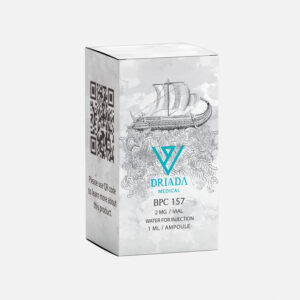
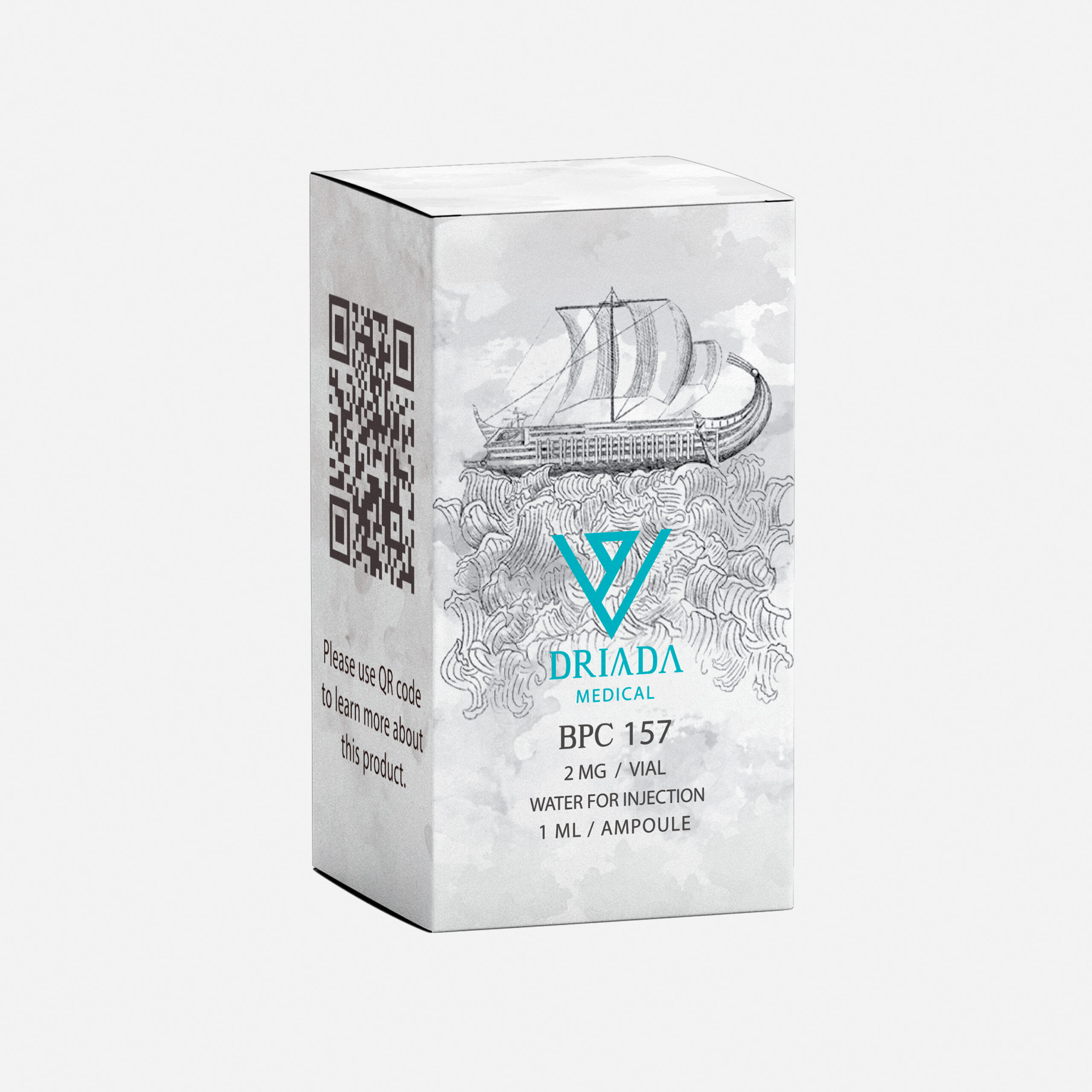
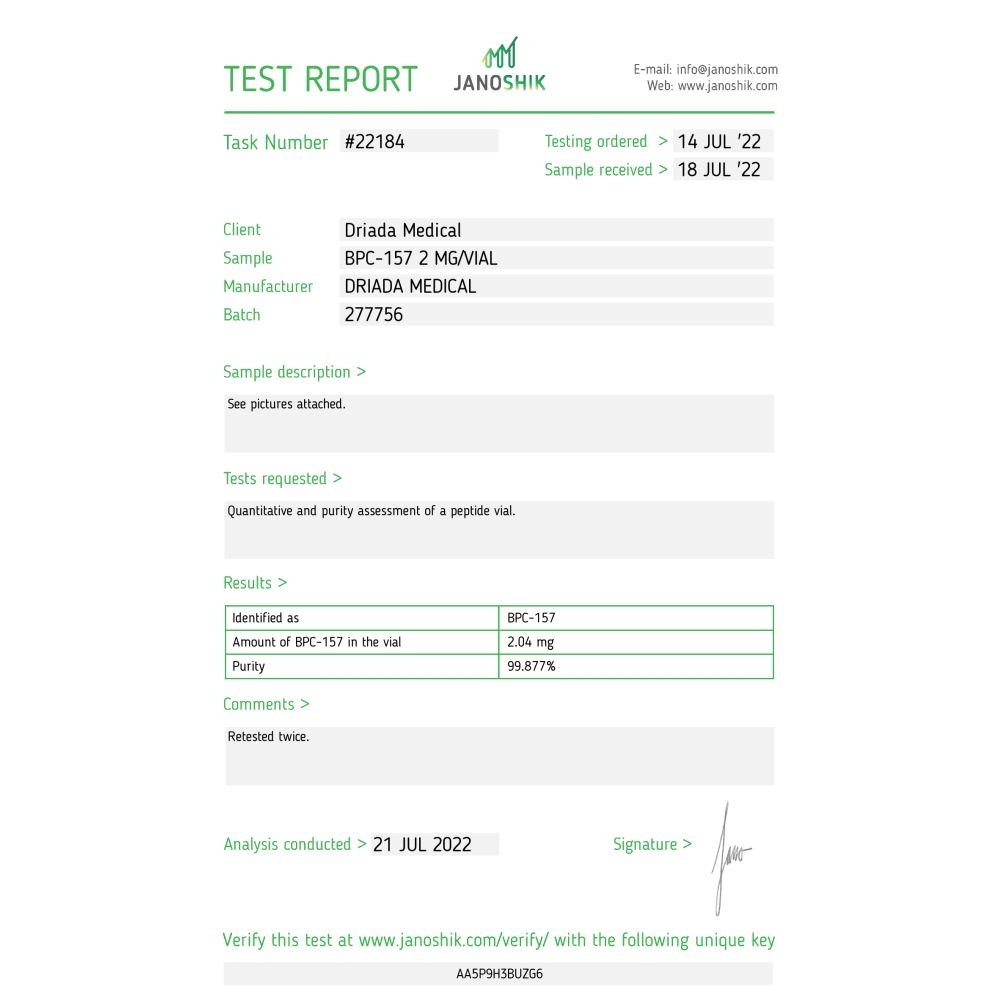
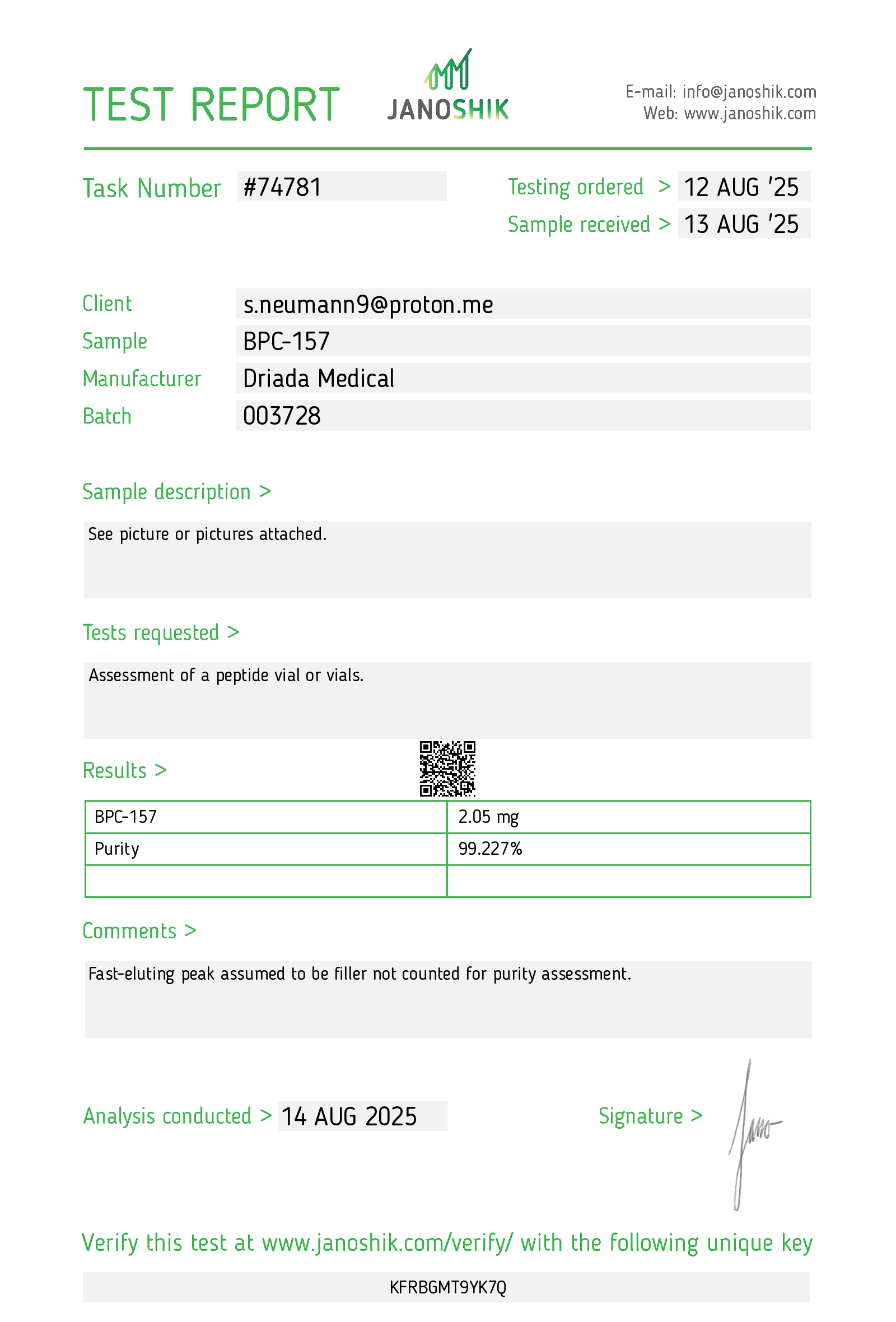
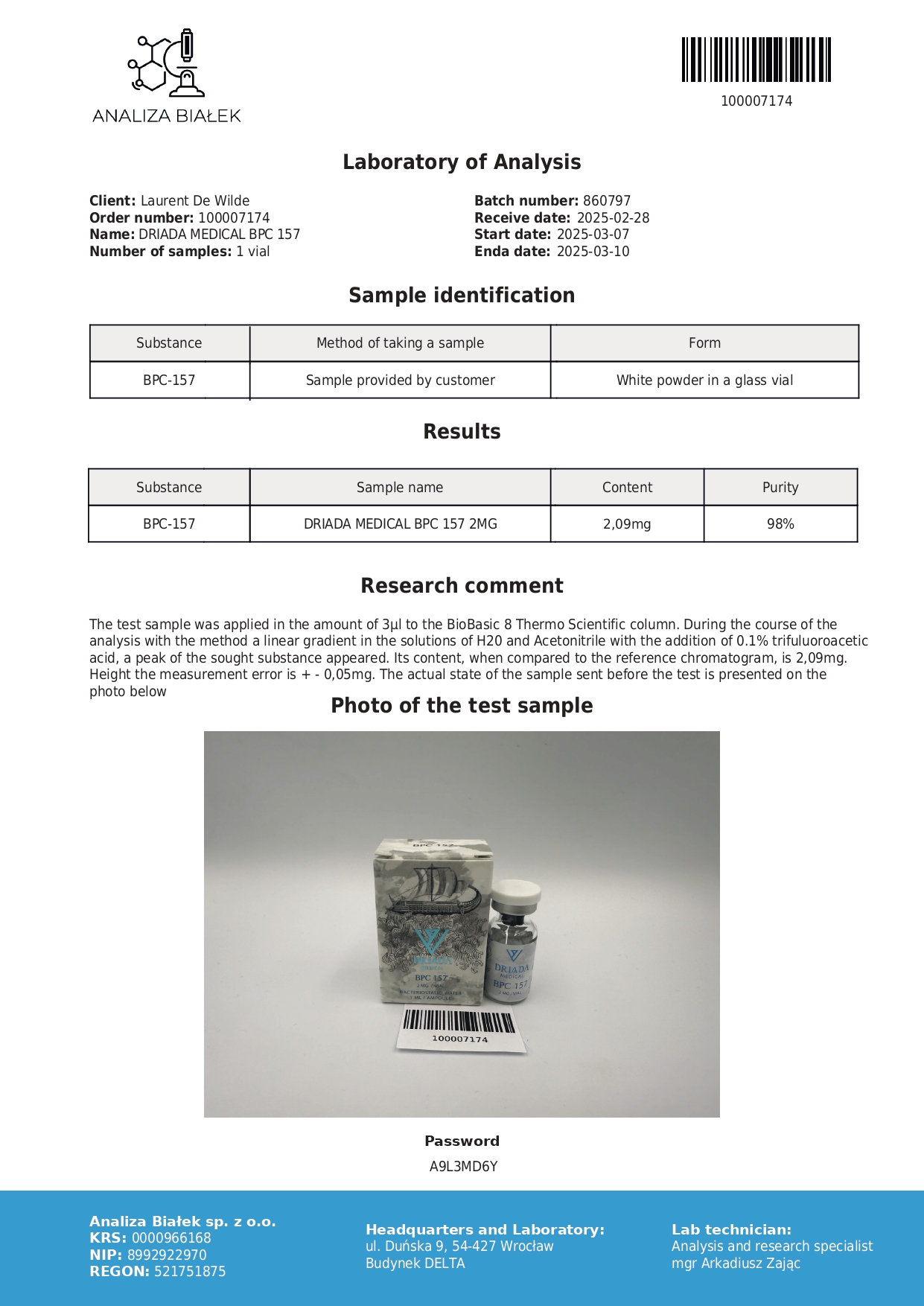
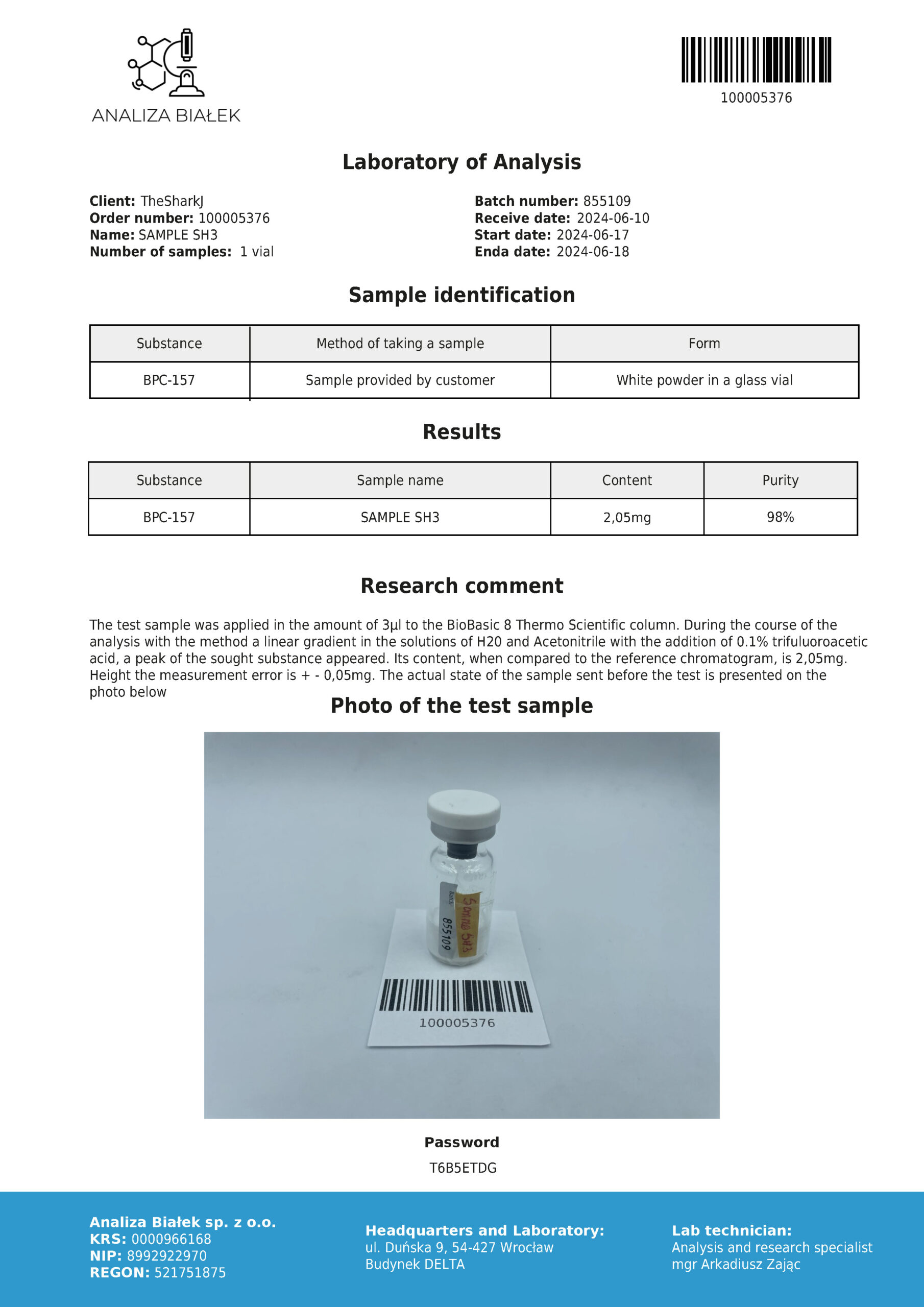
BPC-157 2mg – Peptide Guaritiva e per recupero
BPC-157 – Peptide Guaritiva e Recupero
Peptide specificamente formulato per il recupero fisico, il recupero da infortuni e il supporto metabolico.
- Spedizione (se il prodotto è in stock): 3 giorni lavorativi di processing e dai 5 ai 20 giorni lavorativi di spedizione
- Spese di Processing e spedizione: 27€ in tutta Italia
Che cos’è BPC‑157
BPC‑157 (Body Protection Compound 157, codice laboratorio PL 14736) è un peptide sintetico composto da 15 amminoacidi. È noto per il suo potenziale organo-protettivo in condizioni di stress, lesioni e infiammazione. Peptidi di questo tipo sono legati ai meccanismi naturali di difesa del tratto gastrointestinale: in presenza di stress fisiologico, lo stomaco attiva risposte protettive che aiutano a preservare l’integrità dei tessuti.
Cosa suggeriscono gli studi preclinici
La maggior parte delle evidenze disponibili su BPC‑157 proviene da ricerche su animali. In questi modelli, il peptide ha mostrato un’azione protettiva che non si limita allo stomaco e all’intestino, ma può estendersi a:
-
supporto nella ulcere gastriche e nella protezione della mucosa
- recupero in caso di danni intestinali (incluse condizioni infiammatorie e fistole nei modelli sperimentali)
- supporto alla guarigione di ossa, articolazioni, tendini e legamenti
-
potenziale supporto in lesioni di alcuni organi (es. pancreas e fegato nei modelli animali)
La ricerca indica inoltre che BPC‑157 può influenzare diversi fattori di crescita coinvolti nella riparazione dei tessuti e nell’angiogenesi (ormone di formazione di nuovi vasi sanguigni), considerata centrale nel processo di rigenerazione dopo una lesione. Per maggiori informazioni sul prodotto, consulta TAD-600 – glutatione, peptide antiossidante
Meccanismo d’azione (in sintesi)
Dai dati sperimentali, BPC‑157 sembra agire tramite più vie:
- via dell’ossido nitrico (NO): contribuisce alla regolazione della funzione vascolare e del flusso sanguigno locale
- stimolazione di mediatori di riparazione (tra cui VEGF, TGF-β, FGF), associati a rigenerazione e angiogenesi
-
attivazione dei fibroblasti : cellule essenziali per la produzione di collagene e la riparazione del tessuto connettivo
- modulazione dell’infiammazione, con possibile supporto alla guarigione in diverse condizioni sperimentali
Tendini, legamenti e muscoli
Nei modelli animali, BPC‑157 è stato spesso studiato per la riparazione di tendini e legamenti, tessuti notoriamente lenti a guarire per la scarsa vascolarizzazione. Le osservazioni sperimentali includono miglioramenti nella struttura del collagene e nella resistenza meccanica del tessuto in fase di recupero.
Anche a livello del muscolo scheletrico
Cute, circolazione e sistema nervoso (ambito sperimentale)
Alcuni studi preclinici collegano BPC‑157 a:
- supporto alla guarigione di lesioni cutanee e ustioni sperimentali
- modulazione di processi legati alla microcircolazione e all’integrità endoteliale
- possibili effetti neuroprotettivi in modelli di ischemia/ictus e danno neurologico
Limiti della ricerca e sicurezza
È importante: mancano studi clinici solidi sull’uomo che confermino efficacia e sicurezza a lungo termine. Le evidenze più citate derivano da esperimenti su animali e da dati preclinici.
Possibili effetti segnalati:
- arrossamento o dolore nel sito di iniezione
- cautela teorica in ambito oncologico: la stimolazione dell’angiogenesi potrebbe, in linea teorica, favorire la vascolarizzazione di tessuti tumorali
Uso e preparazione (informazioni generali)
Nei contesti di utilizzo più comuni, BPC‑157 viene somministrato tramite iniezione sottocutanea o intramuscolare, in genere con frequenza giornaliera. I protocolli variano in base all’obiettivo e al contesto.
Preparazione della soluzione (ricostituzione):
- Inietta il diluente nel flaconcino facendo scorrere il liquido lungo la parete (non direttamente sulla polvere).
-
Mescola delicatamente fino a completa dissoluzione (non agitare).
-
La soluzione deve risultare limpida.
Nota pratica: non mescolare peptidi diversi nella stessa siringa, perché può compromettere la stabilità delle molecole.
Conservazione
Dopo la ricostituzione, la soluzione si conserva in frigorifero a 2–8°C. In genere, la durata di conservazione è circa 21 giorni, e può aumentare se si utilizza acqua batteriostatica (se prevista dal prodotto e dal contesto d’uso).
Ti potrebbe interessare…
-
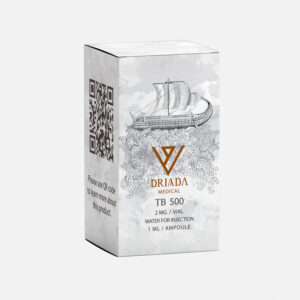
TB500 2mg – Peptide Guaritiva e Recupero
Il prezzo originale era: 36 €.32 €Il prezzo attuale è: 32 €. -
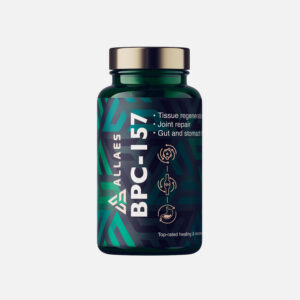
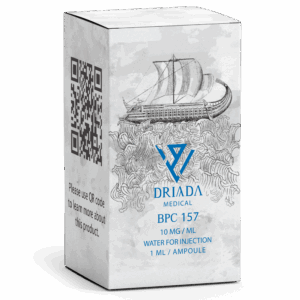
Allaes BPC-157
Il prezzo originale era: 66 €.61 €Il prezzo attuale è: 61 €. -
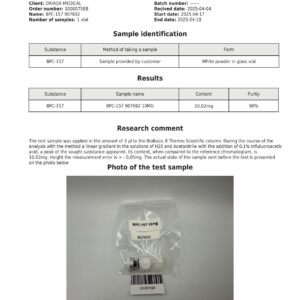
BPC-157 10mg – Peptide Guaritiva e Recupero
Il prezzo originale era: 65 €.62 €Il prezzo attuale è: 62 €. -
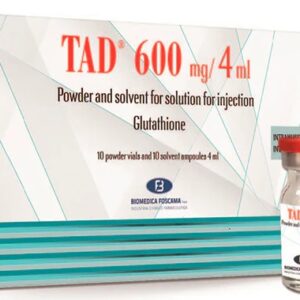
TAD-600 – Glutatione – Peptide Antiossidante
Il prezzo originale era: 70 €.64 €Il prezzo attuale è: 64 €.
Prodotti correlati
-
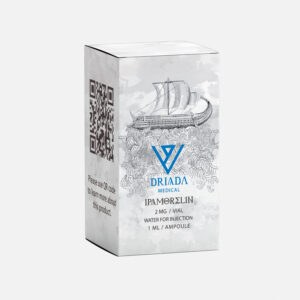
Ipamorelin 2mg – Peptide per rilascio GH naturale
Il prezzo originale era: 27 €.23 €Il prezzo attuale è: 23 €. -
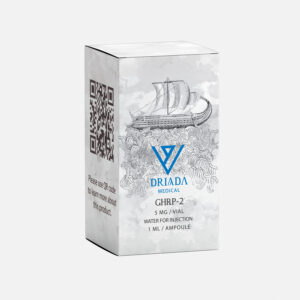
GHRP-2 5mg – Peptide a rilascio GH
Il prezzo originale era: 29 €.25 €Il prezzo attuale è: 25 €. -
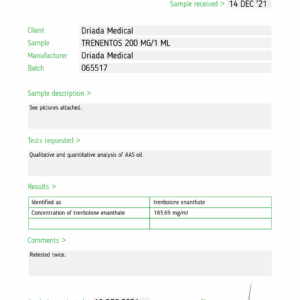
Trenentos 200 mg/ml (Trenbolone Enantato)
Il prezzo originale era: 63 €.58 €Il prezzo attuale è: 58 €. -
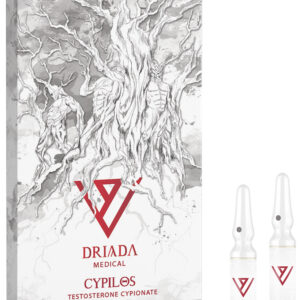
Cypilos 250 mg/ml (Testosterone Cipionato)
Il prezzo originale era: 42 €.39 €Il prezzo attuale è: 39 €. -
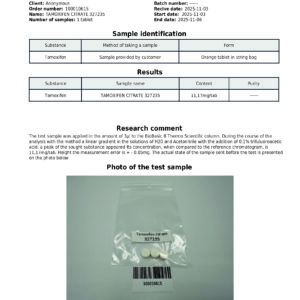
Nolvados 10 mg (Tamoxifene Citrate) – Nolvadex
Il prezzo originale era: 28 €.25 €Il prezzo attuale è: 25 €.