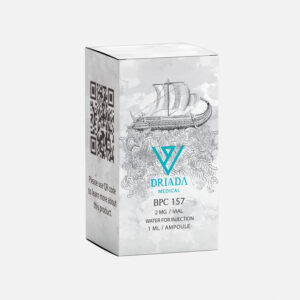
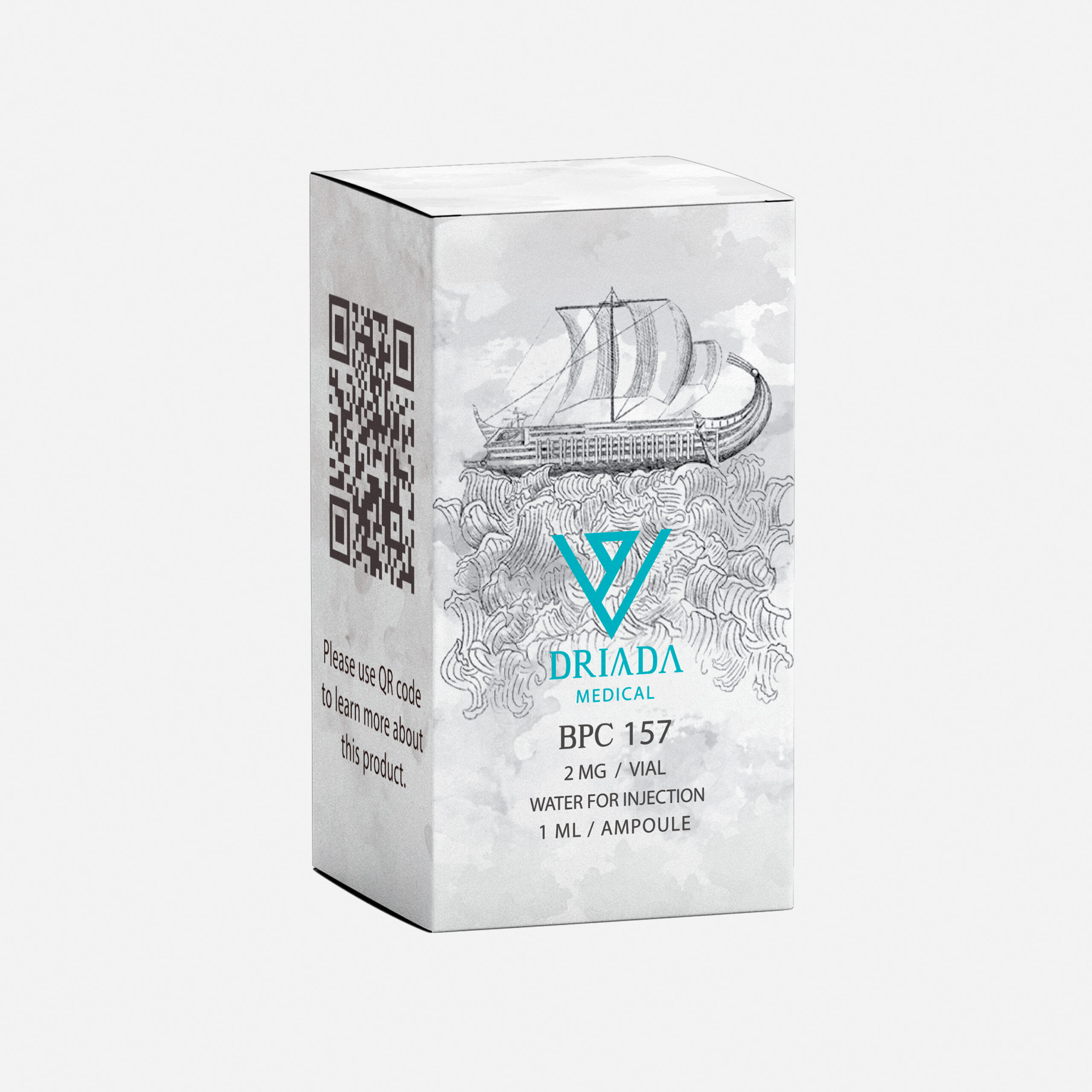
BPC-157 2mg – Peptide Guaritiva e per recupero
BPC-157 – Healing and Recovery Peptide
Peptide specifically designed for physical recovery, injury recovery and metabolic healing.
- Spedizione (se il prodotto è in stock): 3 giorni lavorativi di processing e dai 5 ai 20 giorni lavorativi di spedizione
- Spese di Processing e spedizione: 27€ in tutta Italia
What is BPC-157
BPC-157 (Body Protection Compound 157, laboratory code PL 14736) is a synthetic peptide composed of 15 amino acids. It is known for its organ-protective potential in conditions of stress, injury, and inflammation. Peptides of this type are linked to the natural defense mechanisms of the gastrointestinal tract: in the presence of physiological stress, the stomach activates protective responses that help preserve tissue integrity.
What preclinical studies suggest
Most of the available evidence on BPC-157 comes from animal research. In these models, the peptide has shown protective effects that are not limited to the stomach and intestines , but may extend to:
-
support in gastric ulcers and mucosal protection
-
recovery from intestinal damage (including inflammatory conditions and fistulas in experimental models)
-
support the healing of bones, joints, tendons and ligaments
-
potential support in lesions of some organs (e.g. pancreas and liver in animal models)
Research also indicates that BPC-157 may influence several growth factors involved in tissue repair and angiogenesis ( formation of new blood vessels), which is considered central to the regeneration process after injury. Per maggiori informazioni sul prodotto, consulta TAD-600 – glutatione, peptide antiossidante.
Mechanism of action (in summary)
From experimental data, BPC-157 appears to act through multiple pathways:
-
Nitric oxide (NO) pathway : contributes to the regulation of vascular function and local blood flow
-
stimulation of repair mediators (including VEGF, TGF-β, FGF), associated with regeneration and angiogenesis
-
activation of fibroblasts : cells essential for the production of collagen and the repair of connective tissue
-
modulation of inflammation , with possible support for healing in different experimental conditions
Tendons, ligaments and muscles
In animal models, BPC-157 has been frequently studied for the repair of tendons and ligaments , tissues notoriously slow to heal due to poor vascularization. Experimental observations include improvements in collagen structure and the mechanical strength of the recovering tissue.
Even at the skeletal muscle level , positive effects on repair and functional recovery after traumatic injuries have been reported.
Skin, circulation and nervous system (experimental setting)
Some preclinical studies link BPC-157 to:
-
support for the healing of skin lesions and experimental burns
-
modulation of processes related to microcirculation and endothelial integrity
-
possible neuroprotective effects in models of ischemia/stroke and neurological damage
Research Limits and Safety
Importantly, there is a lack of robust human clinical studies confirming long-term efficacy and safety. The most frequently cited evidence comes from animal experiments and preclinical data.
Possible reported effects:
-
redness or pain at the injection site
-
theoretical caution in oncology: stimulation of angiogenesis could, in theory, favor the vascularization of tumor tissues
Use and preparation (general information)
In the most common settings, BPC-157 is administered via subcutaneous or intramuscular injection , typically daily. Protocols vary depending on the objective and setting.
Preparation of the solution (reconstitution):
-
Inject the diluent into the vial by squeezing the liquid along the wall (not directly onto the powder).
-
Stir gently until completely dissolved (do not shake).
-
The solution must be clear.
Practical note: Do not mix different peptides in the same syringe , as this may compromise the stability of the molecules.
Conservation
After reconstitution, the solution can be stored in the refrigerator at 2–8°C . Typically, the shelf life is approximately 21 days , and may be extended if bacteriostatic water is used (if required by the product and the context of use).
Ti potrebbe interessare…
-
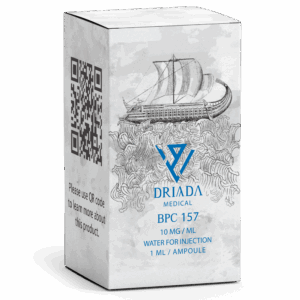
BPC-157 10mg – Peptide Guaritiva e Recupero
Il prezzo originale era: 65 €.62 €Il prezzo attuale è: 62 €. -
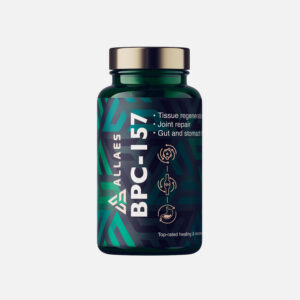
Allaes BPC-157
Il prezzo originale era: 66 €.61 €Il prezzo attuale è: 61 €. -
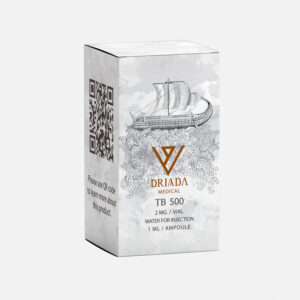
TB500 2mg – Peptide Guaritiva e Recupero
Il prezzo originale era: 36 €.32 €Il prezzo attuale è: 32 €. -
TAD-600 – Glutatione – Peptide Antiossidante
Il prezzo originale era: 70 €.64 €Il prezzo attuale è: 64 €.
Prodotti correlati
-
Clenbutos 40 mcg – Clenbuterolo
Il prezzo originale era: 27 €.22 €Il prezzo attuale è: 22 €. -
Arimidyn 0.5 mg – Anastrozole – Arimidex
Il prezzo originale era: 29 €.26 €Il prezzo attuale è: 26 €. -
Winstrolad 50 mg/ml (Stanozololo iniettabile) – Winstrol
Il prezzo originale era: 38 €.34 €Il prezzo attuale è: 34 €. -
Nolvados 10 mg (Tamoxifene Citrate) – Nolvadex
Il prezzo originale era: 28 €.25 €Il prezzo attuale è: 25 €. -
Liothymed 25 mcg (T3 – Triiodotironina)
Il prezzo originale era: 24 €.21 €Il prezzo attuale è: 21 €.