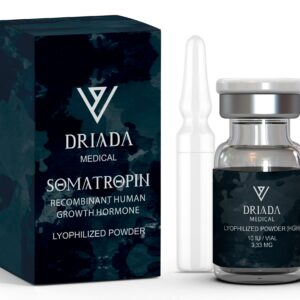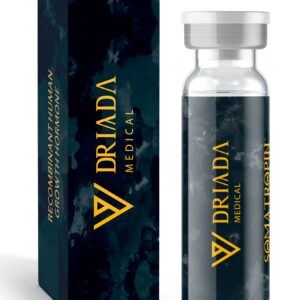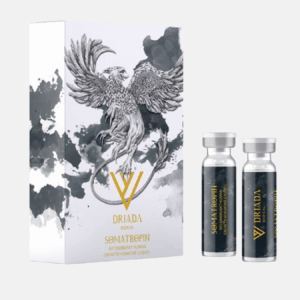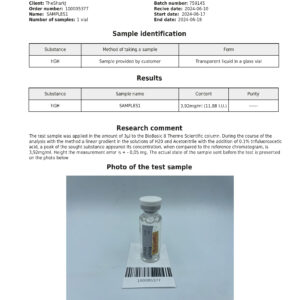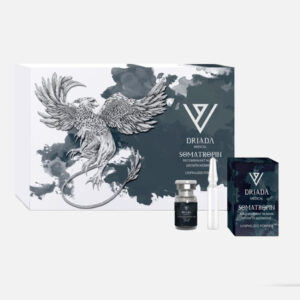
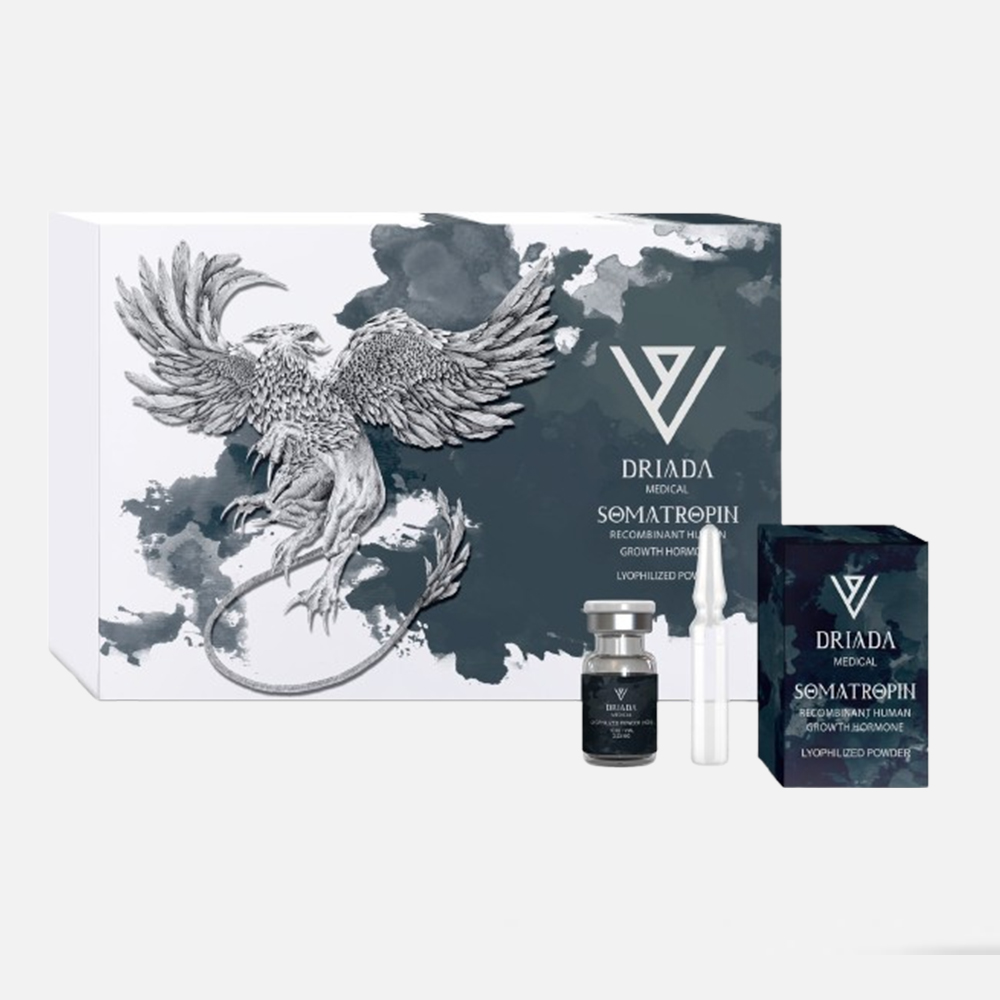
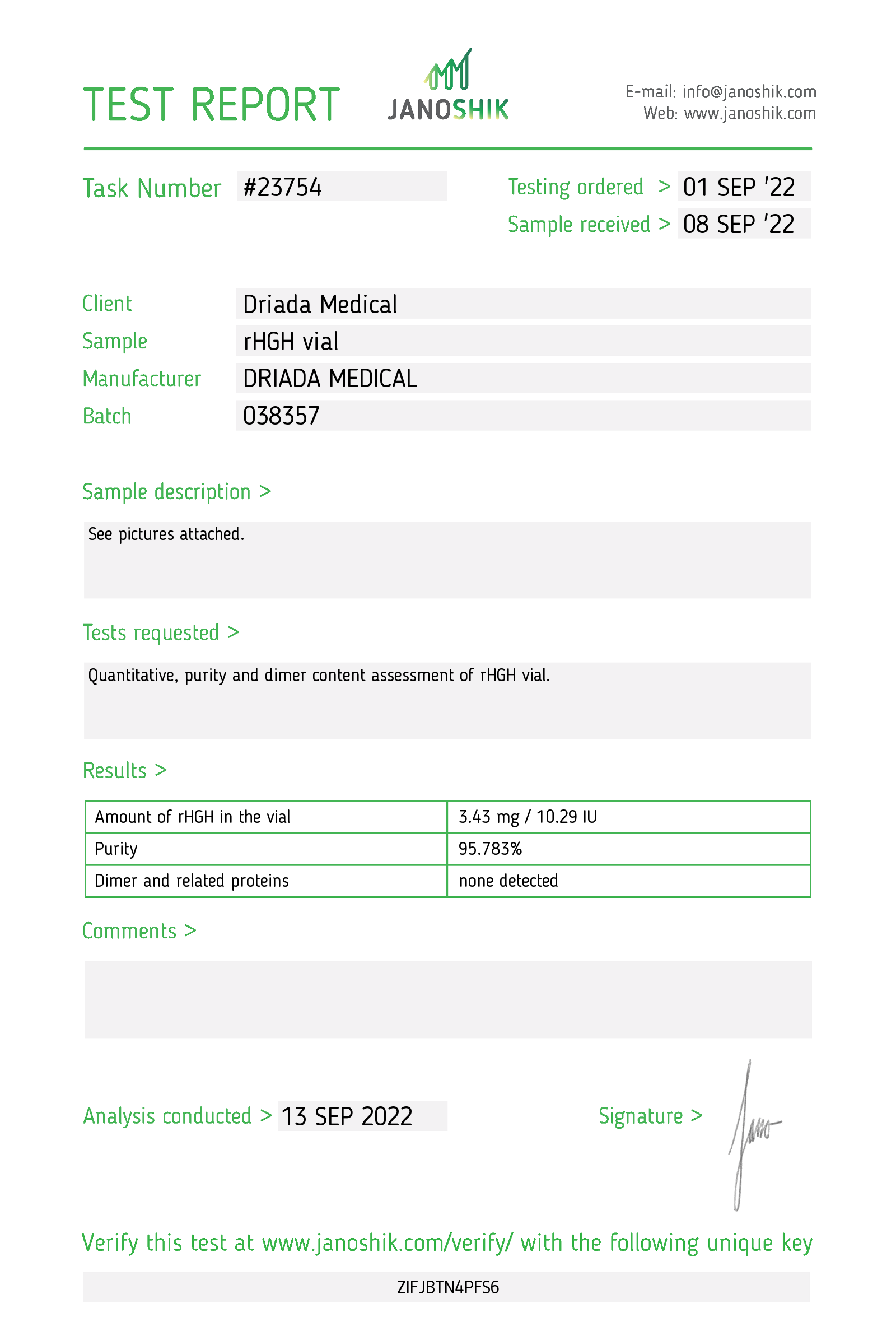
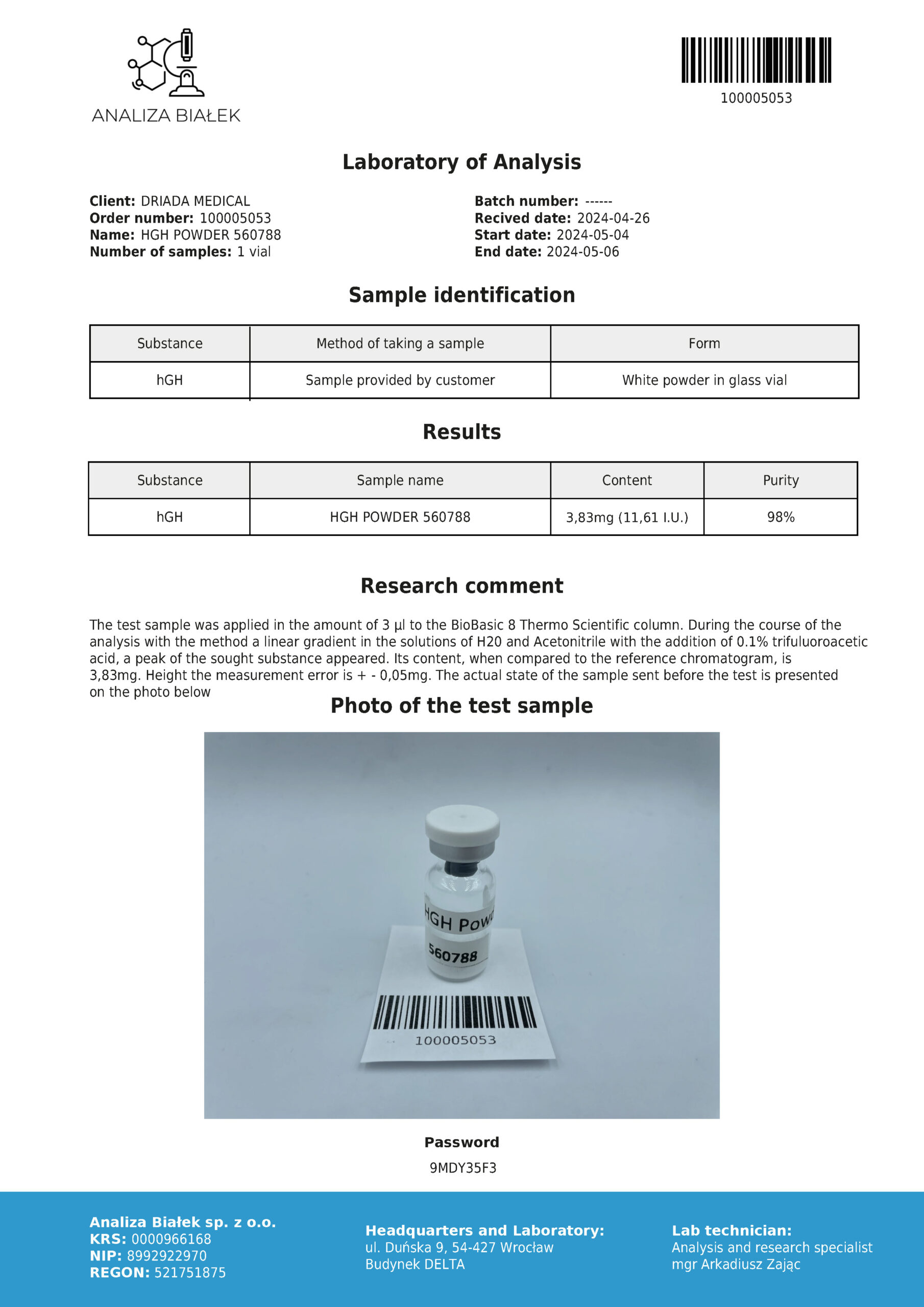
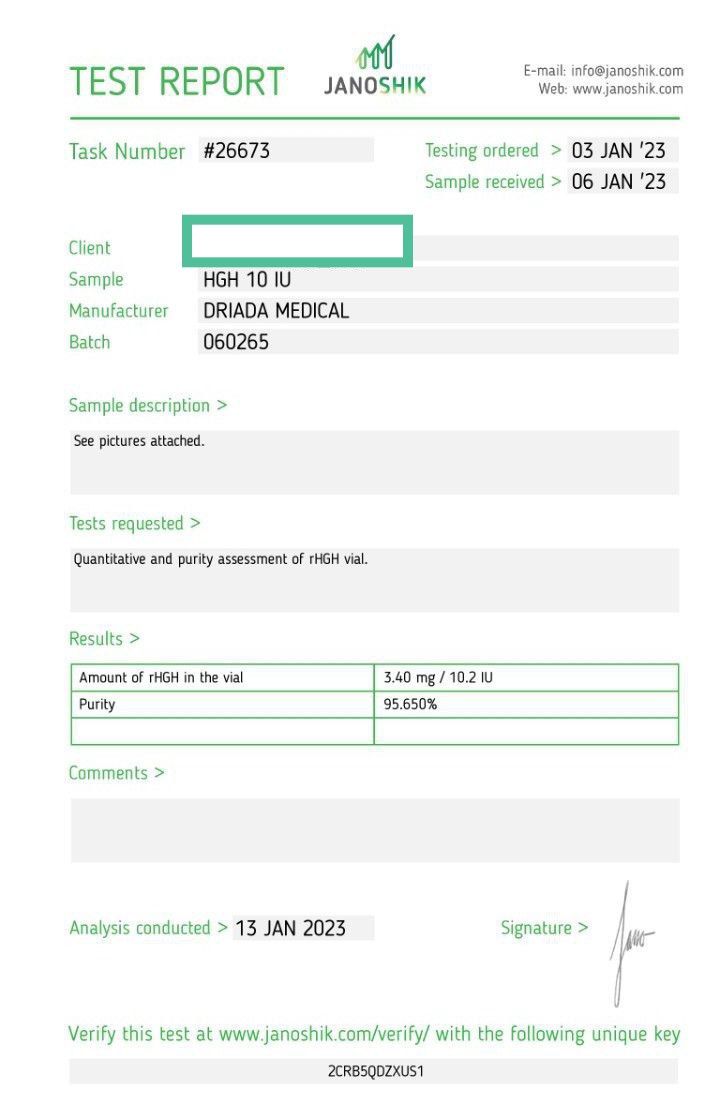
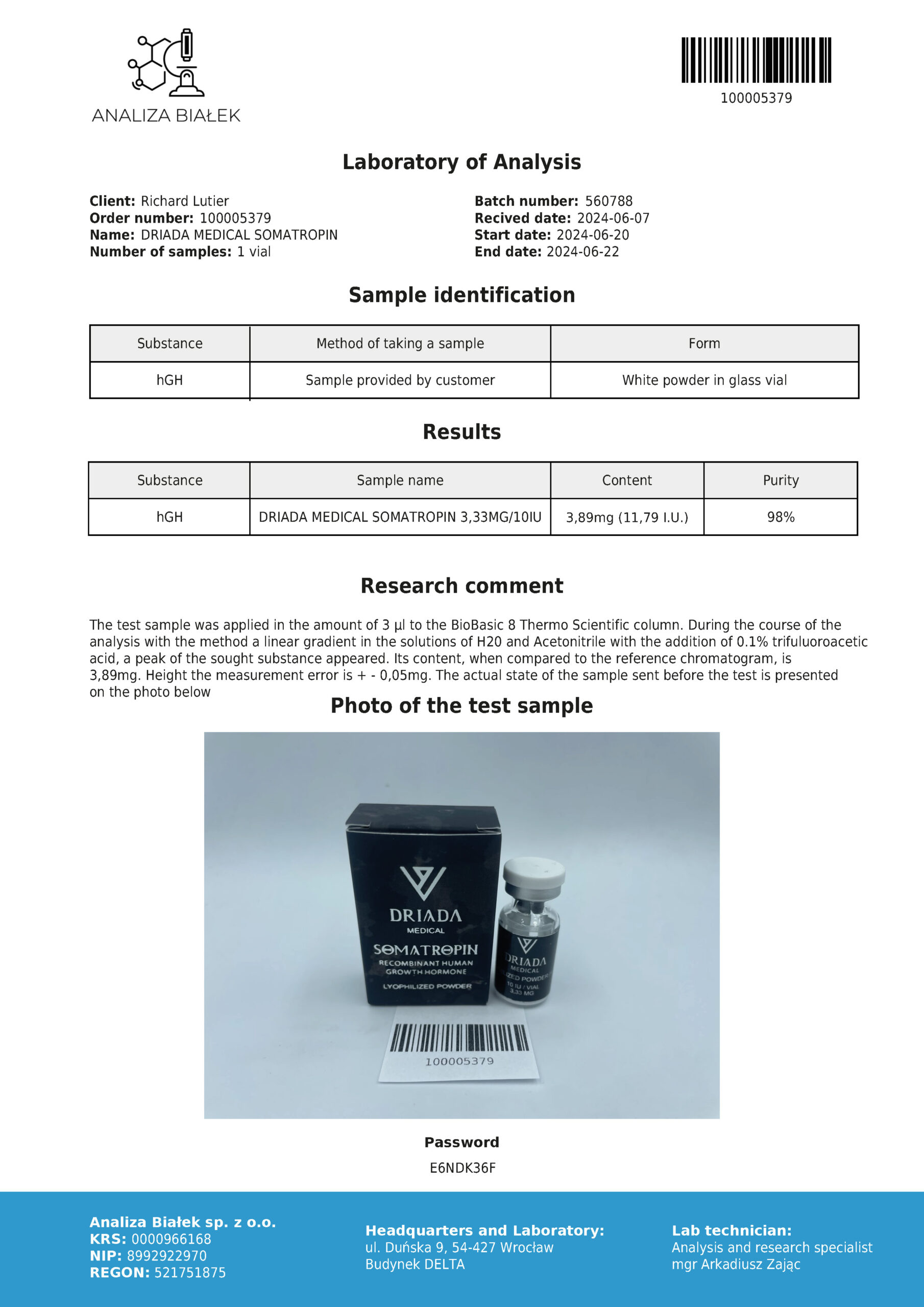
Somatropina HGH Polvere 100iu – GH Ormone della crescita
Somatropin HGH – GH Growth Hormone
Somatropin powder for reconstitution, 100 units in 10 vials of 10 units each.
- Spedizione (se il prodotto è in stock): 3 giorni lavorativi di processing e dai 5 ai 20 giorni lavorativi di spedizione
- Spese di Processing e spedizione: 27€ in tutta Italia
Cos’è il GH (Ormone della Crescita)?
Il GH, conosciuto anche come ormone della crescita umano, è un ormone peptidico essenziale prodotto dal lobo anteriore dell’ipofisi. Svolge un ruolo centrale nello sviluppo fisico, nella rigenerazione cellulare e nel mantenimento dell’equilibrio metabolico dell’organismo. L’ormone della crescita è fondamentale per stimolare la sintesi proteica, regolare il metabolismo di zuccheri e carboidrati, favorire il recupero dei tessuti dopo traumi o infortuni e garantire il corretto funzionamento di numerosi organi e sistemi corporei.
Il GH è indispensabile per la crescita globale dell’organismo, poiché promuove la divisione e la rigenerazione cellulare sia negli esseri umani che negli animali. È particolarmente importante durante le fasi di sviluppo, dall’infanzia fino al completamento della maturazione fisica.
Ruolo del GH nel corpo umano
L’ormone della crescita è un regolatore chiave dello sviluppo di tessuti e organi. Stimola la crescita ossea, modula il metabolismo di grassi, carboidrati, proteine e minerali e contribuisce al mantenimento dell’equilibrio dei fluidi e degli elettroliti. Inoltre:
-
favorisce la lipolisi, cioè la scomposizione dei grassi nelle cellule adipose;
-
aumenta l’assorbimento degli amminoacidi nei muscoli;
-
migliora la ritenzione dell’azoto, sostenendo forza e massa muscolare;
-
stimola la produzione del fattore di crescita insulino-simile IGF-1, principalmente nel fegato, che è responsabile di molti degli effetti anabolici attribuiti al GH.
Growth hormone secretion peaks during childhood and adolescence. After about age 25, levels begin to progressively decline, contributing to the normal aging process.
Metabolic and athletic effects of GH
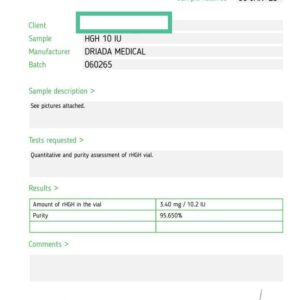
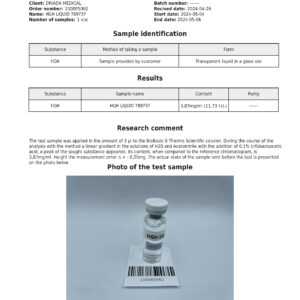
GH is valued for its anabolic and anti-catabolic properties. It stimulates protein synthesis and reduces muscle protein breakdown, promoting lean mass development. At the same time, it increases fat burning, especially during physical activity, making it very popular among athletes and sportspeople. Per approfondire, consulta HGH somatropina generica testata 10 UI.
Growth hormone also exerts a counterinsulin effect: it reduces the effectiveness of insulin, increasing blood glucose levels and providing energy reserves during physical exertion. It also improves calcium absorption in the bones, helping to prevent osteoporosis.
GH and IGF-1: a key relationship
Many of the effects of growth hormone are mediated by IGF-1 . GH stimulates the liver to produce this growth factor, which is directly responsible for tissue enlargement, muscle growth, and cell regeneration.
IGF-1 also contributes to:
-
reduce inflammation;
-
increase collagen production;
-
improve bone density;
-
support cardiovascular health;
-
promote cognitive and neurological recovery;
-
strengthen the immune system.
Main uses of growth hormone
Tendons and joints
GH is widely used to strengthen tendons and joints, especially in strength sports and disciplines with high joint stress. Even moderate doses can speed recovery from injuries.
Power and explosiveness
Growth hormone improves speed and explosive strength, making it useful in dynamic sports such as football, rugby, sprinting, and martial arts.
Muscle mass
By increasing protein synthesis and reducing amino acid oxidation, GH promotes muscle growth. In synergy with IGF-1 and anabolic steroids, it amplifies the anabolic environment.
Fat reduction
Due to its powerful lipolytic effect, growth hormone is often used in bodybuilding programs.
Anti-aging
After age 40, the natural decline in GH is associated with loss of muscle mass, increased fat, a worsening of the lipid profile, and a reduction in collagen. Controlled use of growth hormone can help counteract these effects.
Indicative dosages of GH
-
Anti-aging: 1–1.5 IU per day
-
Tendon and joint recovery: 2–3 IU per day
-
Recovery after intense training: 3–4 IU per day
-
Fat Loss: 3–6 IU per day
-
Muscle mass gain: 6–12 IU per day
Precautions and side effects
Growth hormone is generally well tolerated, but can cause:
-
water retention;
-
increased blood pressure;
-
carpal tunnel syndrome;
-
hyperglycemia;
-
temporary reduction in thyroid function;
-
joint pain.
It is contraindicated in subjects with serious cardiovascular diseases, active tumors or uncontrolled type 2 diabetes.
Storage and preparation
GH is available in lyophilized form to be reconstituted with bacteriostatic water. After reconstitution, the solution must be stored in the refrigerator (2–8°C) and used within the recommended times to maintain its efficacy.
Frequently Asked Questions
Is PCT necessary after GH?
No, growth hormone does not suppress sex hormones.
Are the injections painful?
No, they’re administered subcutaneously with very thin needles.
Is GH suitable for women?
Yes, many women use it for anti-aging benefits, skin improvement, fat reduction, and bone support.
Can it be combined with anabolic steroids?
Yes, combining GH and anabolic steroids is common to enhance their overall anabolic effects.
Prodotti correlati
-
Somatropin HGH Powder 10iu – Somatropina Ormone della crescita GH
Il prezzo originale era: 21,50 €.18 €Il prezzo attuale è: 18 €. -
Somatropina HGH Liquido 50iu – Ormone della crescita – GH liquido già ricostruito
Il prezzo originale era: 100 €.94 €Il prezzo attuale è: 94 €. -
Somatropina HGH Liquido 100iu – GH – ormone della crescita liquido
Il prezzo originale era: 180 €.177 €Il prezzo attuale è: 177 €. -
Allaes MK-677 10mg (Ibutamoren)
Il prezzo originale era: 49 €.44 €Il prezzo attuale è: 44 €. -