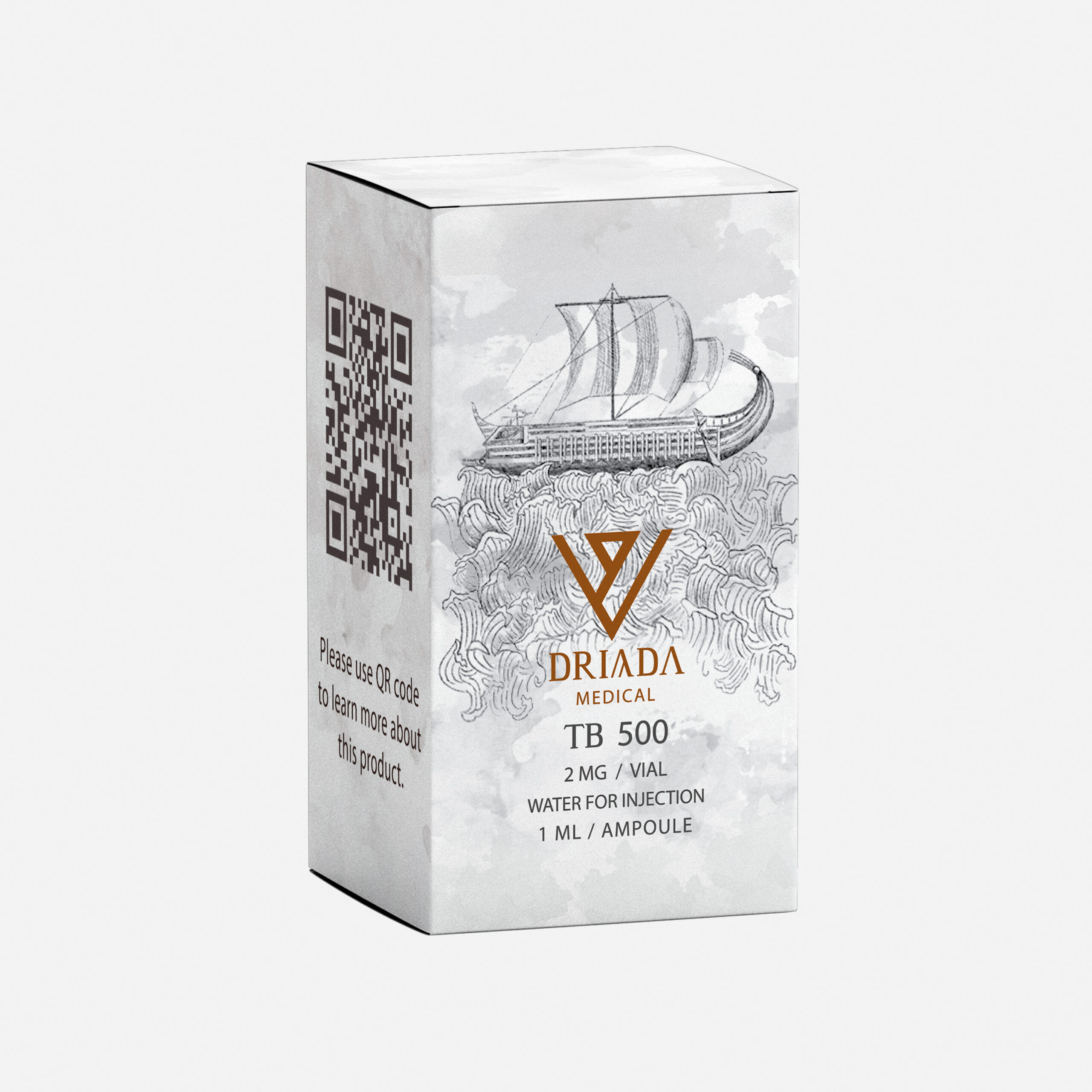
TB500 2mg – Peptide Guaritiva e Recupero
TB500 – Peptide Guaritiva e Recupero
Peptide specifico per il recupero muscolare e la guarigione da lesioni lievi
- Spedizione (se il prodotto è in stock): 3 giorni lavorativi di processing e dai 5 ai 20 giorni lavorativi di spedizione
- Spese di Processing e spedizione: 27€ in tutta Italia
Descrizione (TB500)
Le timosine sono piccole proteine presenti in molti tessuti animali. Il nome deriva dal fatto che furono isolate per la prima volta dal timo, ma oggi è noto che sono diffuse in numerosi distretti dell’organismo. Alcune timosine — in particolare Timosina α1 e Timosina β4 — sono oggetto di interesse per le loro potenziali applicazioni mediche, con impieghi che in alcuni casi sono già arrivati in ambito clinico.
TB500 è un peptide breve (un frammento) correlato alla Timosina Beta 4: spesso viene commercializzato come se fosse la stessa molecola, ma non è identico alla Timosina Beta 4 completa. Nell’organismo, la Timosina Beta 4 può essere rilasciata dal timo (più attivo in età pediatrica) ed è anche prodotta localmente da diverse cellule; si ritrova inoltre in concentrazioni rilevanti in alcuni compartimenti cellulari e nelle secrezioni associate alle ferite. Studi sperimentali suggeriscono che la Timosina Beta 4 possa supportare vari processi di riparazione tissutale, favorendo la migrazione cellulare e contribuendo alla modulazione dell’infiammazione.
La sequenza di TB500 corrisponde alla regione considerata “funzionalmente attiva” della Timosina Beta 4 e ne potrebbe condividere molte proprietà, con il vantaggio di essere più semplice ed economico da produrre. Per questo motivo, TB500 viene spesso associato al supporto del recupero in caso di stress tissutale e lesioni, con interesse particolare nel mondo sportivo per la gestione del recupero post-allenamento.
Meccanismo d’azione (in sintesi)
Tra le timosine, la Timosina Beta 4 è una delle più abbondanti e studiate. È un peptide capace di legarsi all’actina, influenzando la polimerizzazione dell’actina e quindi la migrazione cellulare — un processo importante per angiogenesi e rigenerazione dei tessuti. In diversi modelli sperimentali, la Timosina Beta 4 è stata associata anche a proprietà cardioprotettive, a un potenziale supporto dell’angiogenesi in condizioni di ischemia e a meccanismi cellulari collegati alla sopravvivenza in risposta allo stress.
Ancora in ambito sperimentale, sono stati osservati effetti su:
- riparazione di tessuti danneggiati e modulazione dell’infiammazione
- angiogenesi e risposta rigenerativa
- differenziazione e migrazione di cellule coinvolte nella riparazione
Guarigione delle ferite e tessuti molli
In seguito a una lesione, la Timosina Beta 4 può essere rilasciata da piastrine, macrofagi e altre cellule, contribuendo a limitare danni ulteriori e a sostenere processi riparativi. È stata collegata a:
-
riduzione dell’apoptosi e dell’infiammazione
- supporto alla migrazione cellulare e alla formazione di nuovi vasi
- possibile riduzione di fibrosi e cicatrici tramite modulazione dei miofibroblasti
In questo contesto, TB500 viene spesso citato come supporto sperimentale per lesioni di muscoli, tendini e legamenti, specialmente quando l’infiammazione e la lentezza del recupero sono un problema. Viene anche menzionato per un possibile ruolo nel ridurre aderenze e rigidità tissutale che possono limitare la mobilità.
Vista (ambito sperimentale)
In oftalmologia, la Timosina Beta 4 e peptidi correlati sono stati studiati per condizioni come occhio secco e cheratopatia neurotrofica, con risultati che, in alcuni contesti, hanno indicato miglioramenti dei sintomi e della guarigione corneale.
Sistema cardiovascolare e nervoso (ambito sperimentale)
Diversi lavori preclinici hanno esplorato l’uso della Timosina Beta 4 per supportare:
- rigenerazione e rimodellamento del tessuto cardiaco dopo ischemia o danno
- angiogenesi nel miocardio e riduzione della fibrosi
-
protezione e recupero nei modelli neurologici (ad es. ischemia/ictus)
Sono presenti anche dati clinici su Timosina Beta 4 in vari contesti, ma l’applicazione, i protocolli e le conclusioni definitive dipendono dall’indicazione e dal tipo di formulazione studiata.
Capelli (ambito sperimentale)
Nei modelli animali è stato ipotizzato un ruolo della Timosina Beta 4 nella biologia del follicolo pilifero, con una possibile influenza sulla migrazione e differenziazione cellulare e sui cicli di crescita dei capelli. Online circolano numerose testimonianze, che tuttavia non sostituiscono solide evidenze cliniche.
Effetti riportati (riassunto)
- Supporto al recupero di muscoli, tendini, legamenti, pelle
- Azione antinfiammatoria (in ambito sperimentale)
-
Supporto ai processi angiogenici e riparativi
- Potenziale interesse per cute, cornea, apparato cardiovascolare e SNC (preclinico)
Possibili effetti collaterali
- Rossore o dolore nel sito di iniezione (se utilizzato in forma iniettabile)
Preparazione della soluzione (ricostituzione)
Per ricostituire una polvere liofilizzata:
- Inietta il diluente facendo scorrere il liquido lungo la parete del flaconcino (non direttamente sulla polvere).
- Mescola delicatamente fino a completa dissoluzione (non agitare).
- La soluzione deve risultare limpida.
Non mescolare peptidi diversi nella stessa siringa, perché aumenta il rischio di degradazione delle molecole.
Conservazione
Dopo ricostituzione, conservare in frigorifero a 2–8°C. In genere la soluzione si conserva per circa 21 giorni; la durata può aumentare se si utilizza acqua batteriostatica (se prevista dal prodotto).
Ti potrebbe interessare…
-
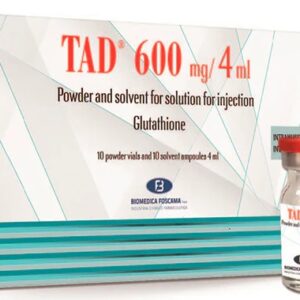
TAD-600 – Glutatione – Peptide Antiossidante
Il prezzo originale era: 70 €.64 €Il prezzo attuale è: 64 €. -
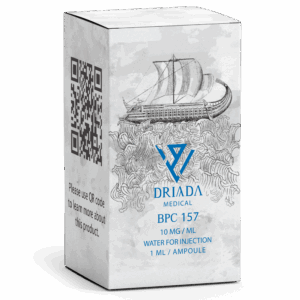
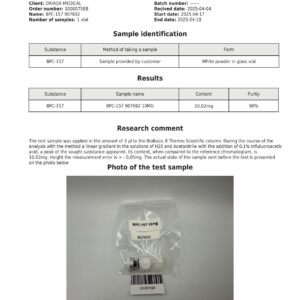
BPC-157 10mg – Peptide Guaritiva e Recupero
Il prezzo originale era: 65 €.62 €Il prezzo attuale è: 62 €. -
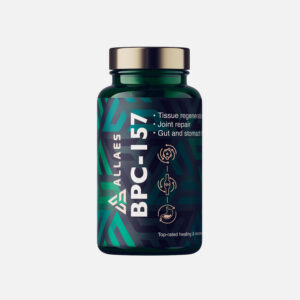
Allaes BPC-157
Il prezzo originale era: 66 €.61 €Il prezzo attuale è: 61 €. -
BPC-157 2mg – Peptide Guaritiva e per recupero
Il prezzo originale era: 32 €.28 €Il prezzo attuale è: 28 €.
Prodotti correlati
-
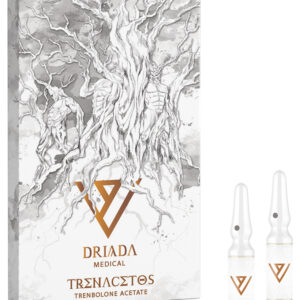
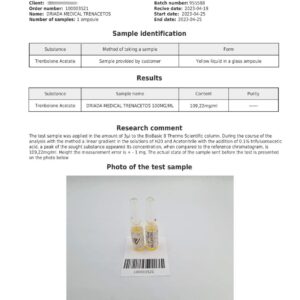
Trenacetos 100 mg/ml (Trenbolone Acetato)
Il prezzo originale era: 55 €.52 €Il prezzo attuale è: 52 €. -
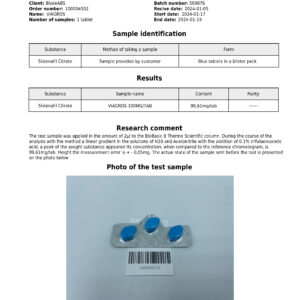
Viagros 100mg (Sildenafil – Viagra)
Il prezzo originale era: 17 €.16 €Il prezzo attuale è: 16 €. -
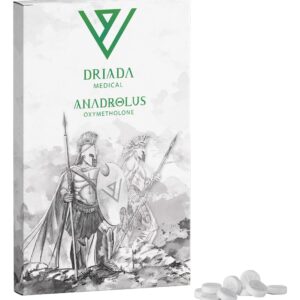
Anadrolus 50 mg – Oxymetholone – Anadrol
Il prezzo originale era: 39 €.35 €Il prezzo attuale è: 35 €. -
Dinabolyn 10 mg (Metandrostenolone) – Dbol – Dianabol
Il prezzo originale era: 32 €.28 €Il prezzo attuale è: 28 €. -
Allaes DMAA
Il prezzo originale era: 26 €.22 €Il prezzo attuale è: 22 €.