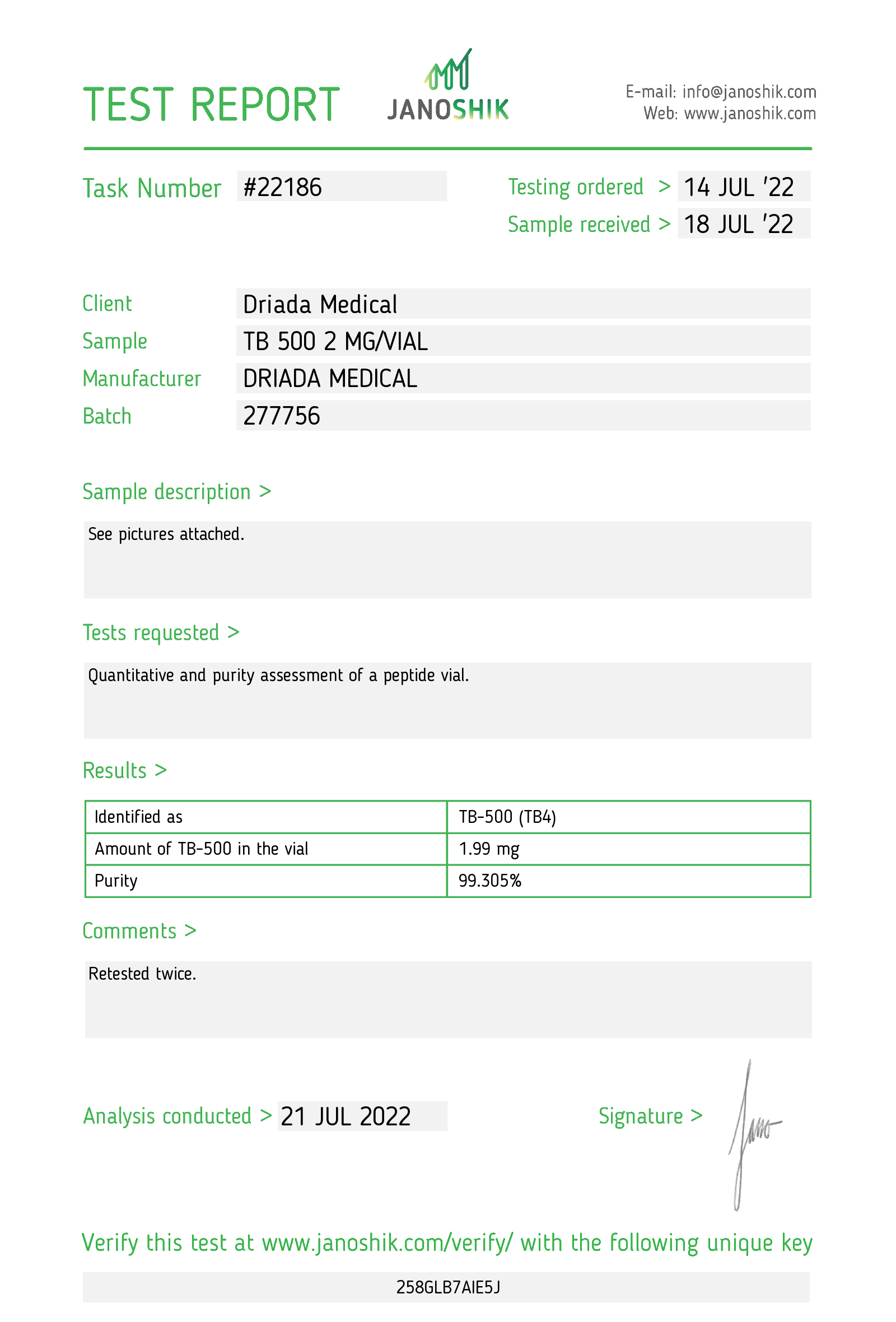
TB500 2mg – Healing and Recovery Peptide
TB500 – Healing and Recovery Peptide
A peptide specifically designed for muscle recovery and the healing of minor injuries.
- Shipping (if the product is in stock): 3 business days for processing and 5 to 20 business days for shipping
- Processing and shipping costs: €27 throughout Italy
Description (TB500)
Thymosins are small proteins found in many animal tissues. The name derives from the fact that they were first isolated from the thymus, but today we know that they are widespread in many parts of the body. Some thymosins—in particular Thymosin α1 and Thymosin β4 —are of interest for their potential medical applications, with uses that in some cases have already reached the clinical setting.
TB500 is a short peptide (a fragment) related to Thymosin Beta 4: it is often marketed as if it were the same molecule, but it is not identical to the full Thymosin Beta 4. In the body, Thymosin Beta 4 can be released by the thymus (which is most active in children) and is also produced locally by various cells; it is also found in significant concentrations in certain cellular compartments and in wound-associated secretions. Experimental studies suggest that Thymosin Beta 4 may support various tissue repair processes by promoting cell migration and helping to modulate inflammation.
The TB500 sequence corresponds to the region considered “functionally active” in Thymosin Beta 4 and may share many of its properties, with the advantage of being simpler and more cost-effective to produce. For this reason, TB500 is often associated with supporting recovery from tissue stress and injuries, with particular interest in the sports world for managing post-workout recovery. For more information, see Recovery Peptides – Guaritive.
Mechanism of action (summary)
Among the thymosins, Thymosin Beta 4 is one of the most abundant and widely studied. It is a peptide capable of binding to actin, influencing actin polymerization and, consequently, cell migration —a process important for angiogenesis and tissue regeneration. In various experimental models, Thymosin Beta 4 has also been associated with cardioprotective properties, potential support for angiogenesis under ischemic conditions, and cellular mechanisms related to survival in response to stress. With ipamorelin 2 mg, positive effects on repair and functional recovery following traumatic injuries have been reported.
Still in the experimental stage, the effects on the following are currently being studied:
- repair of damaged tissues and modulation of inflammation
- angiogenesis and regenerative response
- differentiation and migration of cells involved in repair
Wound and soft tissue healing
Following injury, Thymosin Beta 4 can be released from platelets, macrophages, and other cells, helping to limit further damage and support repair processes. It has been linked to:
- reduction in apoptosis and inflammation
- support for cell migration and the formation of new blood vessels
- possible reduction of fibrosis and scarring through modulation of myofibroblasts
In this context, TB500 is often cited as an experimental treatment for muscle, tendon, and ligament injuries, especially when inflammation and slow recovery are an issue. It is also mentioned for its possible role in reducing adhesions and tissue stiffness that can limit mobility.
View (experimental scope)
In ophthalmology, Thymosin Beta 4 and related peptides have been studied for conditions such as dry eye and neurotrophic keratopathy, with results that, in some contexts, have indicated improvements in symptoms and corneal healing.
Cardiovascular and nervous systems (experimental setting)
Several preclinical studies have explored the use of Thymosin Beta 4 to support:
- regeneration and remodeling of cardiac tissue after ischemia or damage
- angiogenesis in the myocardium and reduction of fibrosis
- protection and recovery in neurological models (e.g., ischemia/stroke)
Clinical data on Thymosin Beta 4 are also available in various contexts, but the application, protocols, and definitive conclusions depend on the indication and type of formulation studied.
Hair (experimental setting)
In animal models, Thymosin Beta 4 has been hypothesized to play a role in hair follicle biology, with potential influence on cell migration/differentiation and hair growth cycles. There are many testimonials circulating online, but they are no substitute for solid clinical evidence.
Reported effects (summary)
- Support for the recovery of muscles, tendons, ligaments, skin
- Anti-inflammatory action (in experimental settings)
- Support for angiogenic and reparative processes
- Potential interest for skin, cornea, cardiovascular system, and CNS (preclinical)
Possible side effects.
- Redness or pain at the injection site (if used in injectable form)
Preparation of the solution (reconstitution)
To reconstitute a lyophilized powder:
- Inject the diluent by running the liquid down the side of the vial (not directly onto the powder).
- Stir gently until completely dissolved (do not shake).
- The solution must be clear.
Do not mix different peptides in the same syringe, as this increases the risk of molecule degradation.
Storage
After reconstitution, store in a refrigerator at 2–8°C. The solution can generally be stored for approximately 21 days; the shelf life may be extended if bacteriostatic water is used (if specified by the product).
You may be interested in...
-
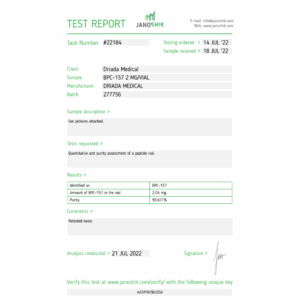
BPC-157 10mg – Healing and Recovery Peptide
The original price was: €65.62 €The current price is: €62. -
BPC-157 2mg – Healing and Recovery Peptide
The original price was: €32.28 €The current price is: €28. -
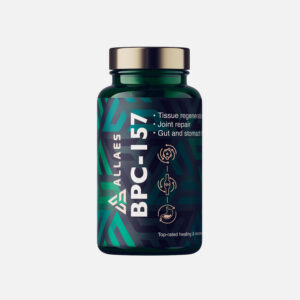
Allaes BPC-157
The original price was: €66.61 €The current price is: €61. -
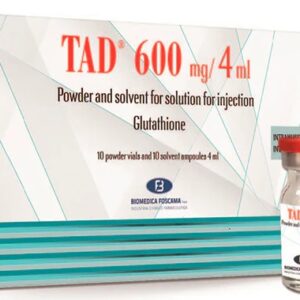
TAD-600 – Glutathione – Antioxidant Peptide
The original price was: €70.64 €The current price is: €64.
Related products
-
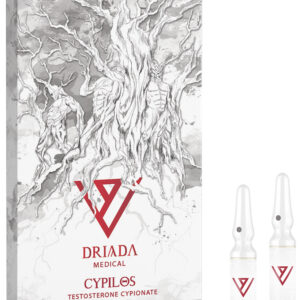
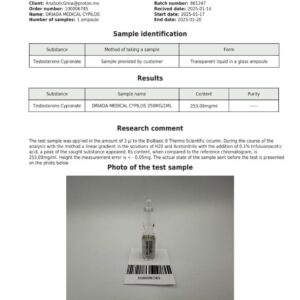
Cypilos 250 mg/ml (Testosterone Cypionate)
The original price was: $42.39 €The current price is: €39. -
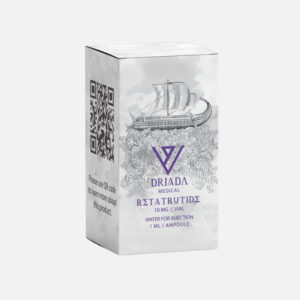
Retatrutide 10mg – GLP-1 – Fat-burning peptide
The original price was: €77.71 €The current price is: €71. -
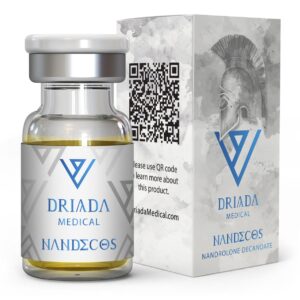
Nandecos 200 mg/ml (Nandrolone Decanoate) 10 ml vial
The original price was: $42.39 €The current price is: €39. -
Trenacetos 100 mg/ml (Trenbolone Acetate) 10 ml vial
The original price was: €55.52 €The current price is: €52. -
Semaglutide 2mg – Ozempic – Fat-Burning Peptide
The original price was: €44.42 €The current price is: 42 €.