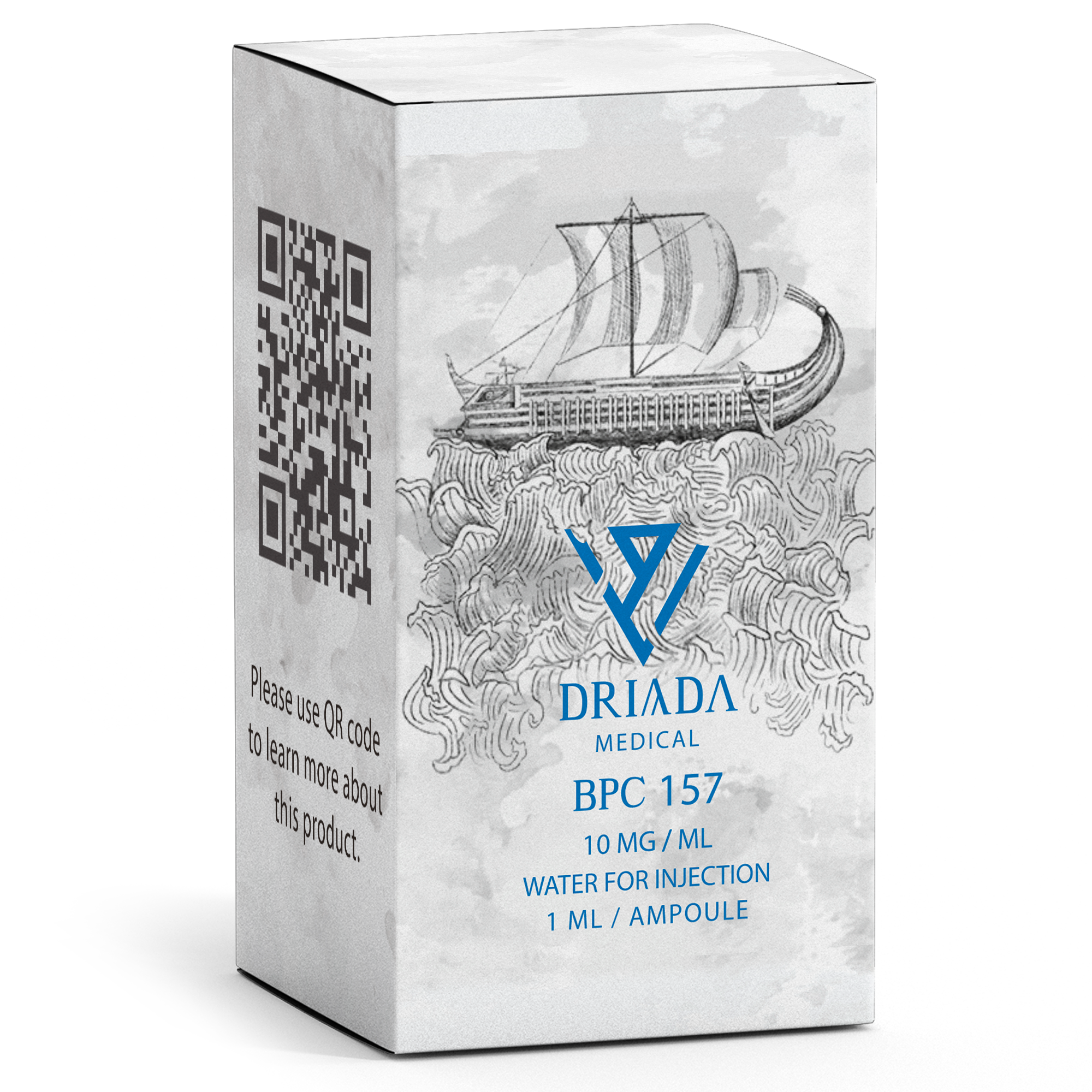
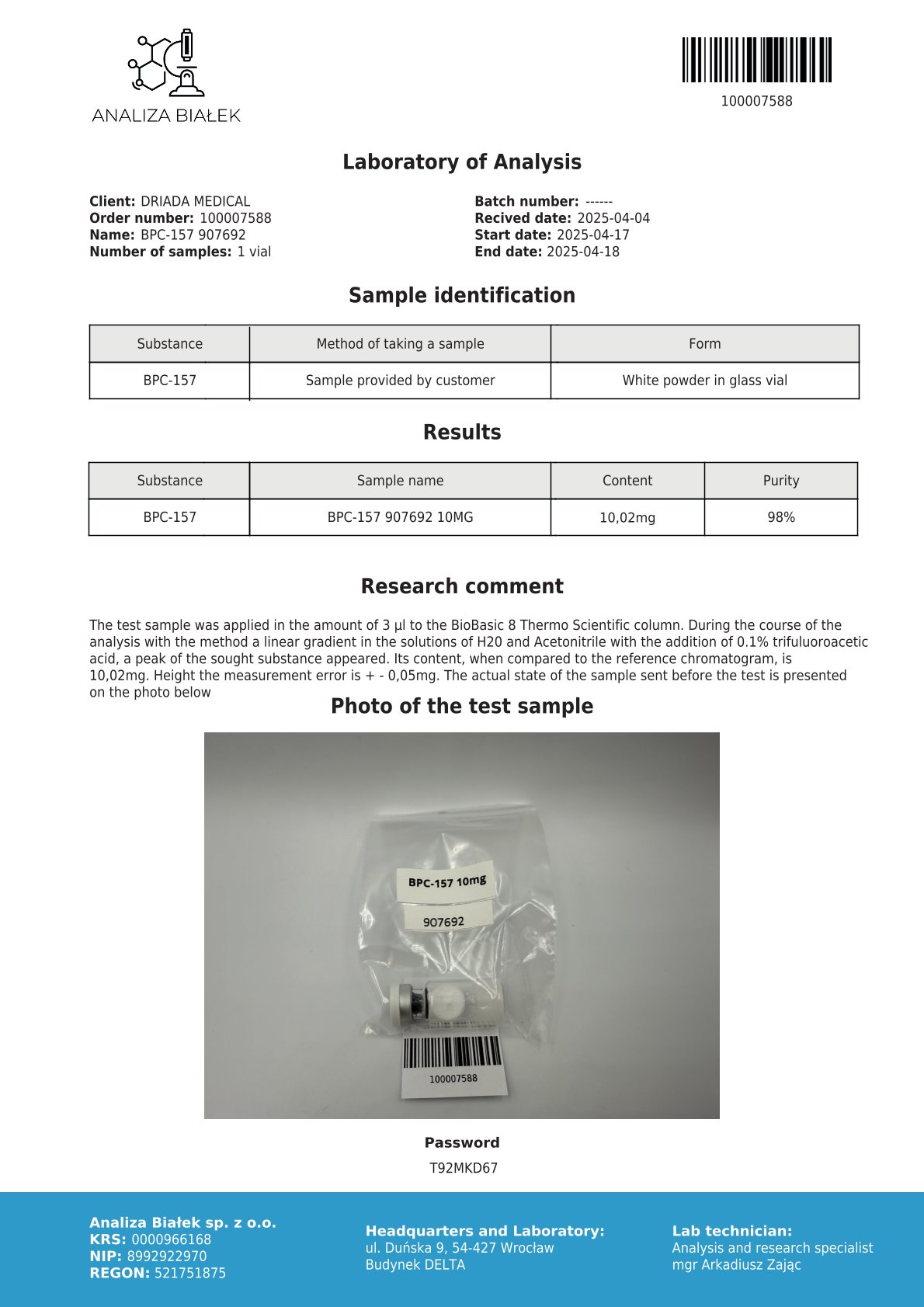
BPC-157 10mg – Healing and Recovery Peptide
BPC-157 – Healing and Recovery Peptide
A peptide specifically formulated for physical recovery, recovery from injuries, and metabolic support.
- Shipping (if the product is in stock): 3 business days for processing and 5 to 20 business days for shipping
- Processing and shipping costs: €27 throughout Italy
What is BPC-157?
BPC-157 (Body Protection Compound 157) is a synthetic peptide composed of 15 amino acids, studied for its powerful cytoprotective and regenerative properties. It is derived from a protein sequence naturally present in human gastric juice, where it plays a key role in protecting tissues under conditions of stress, injury, or inflammation.
In preclinical studies, BPC-157 has demonstrated protective effects that extend far beyond the digestive system. It has been associated with the healing of gastric and duodenal ulcers, intestinal damage, chronic inflammation, muscle, tendon, ligament, and joint injuries, as well as beneficial effects on organs such as the liver, pancreas, and nervous system.
Potential benefits of BPC-157
Research conducted primarily on animal models shows that BPC-157:
- Promotes the regeneration of muscles, tendons, ligaments, bones, and skin
- Accelerates wound healing and reduces scar tissue formation
-
Stimulates angiogenesis (formation of new blood vessels), improving oxygen supply to damaged tissues
- Protects the gastric and intestinal mucosa in conditions of stress and inflammation
- Improves functional recovery after muscle trauma and joint injuries
- Shows neuroprotective effects in models of stroke and brain injury
-
Contributes to maintaining endothelial integrity and regulating blood circulation
Mechanism of action
BPC-157 acts through multiple complementary biological pathways:
- Regulation of nitric oxide (NO): improves vascular function and tissue perfusion
- Stimulation of growth factors (VEGF, FGF, TGF-β), which are essential for regeneration and healing
- Activation of fibroblasts, cells essential for collagen production and connective tissue repair
- Anti-inflammatory modulation, with reduction of chronic tissue damage
Thanks to these effects, BPC-157 promotes faster and more efficient recovery from acute and chronic injuries. Allaes Testolone 10 mg (RAD-140)
Tendons, ligaments, and muscles
BPC-157 is particularly well known for its potential in healing tendons and ligaments, tissues that are notoriously poorly vascularized. Studies show an improvement in mechanical strength, collagen structure, and overall functionality.
At the muscular level, the peptide promotes the repair of damaged fibers, reduces protein degradation, and contributes to maintaining strength over the long term, even in the presence of systemic stress or neurological damage.
Safety and side effects
To date, experimental studies have not shown any significant toxic effects associated with BPC-157. However, large-scale clinical trials in humans are still lacking.
Possible reported effects:
- Mild redness or pain at the injection site
-
Potential caution in subjects with oncological diseases, as angiogenesis could theoretically promote tumor vascularization.
How to use (research scope)
BPC-157 is generally administered subcutaneously or intramuscularly, once a day.
The dosage commonly used in studies is 5–10 mcg per kg of body weight, with cycles of 4–6 weeks, which can be adjusted according to the type of injury and individual response.
Synergies
BPC-157 exhibits a synergistic effect with other regenerative peptides, such as TB-500, and with growth hormone, enhancing fibroblast proliferation and accelerating the healing of tendons and muscles.
You may be interested in...
-
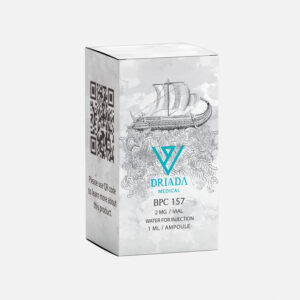
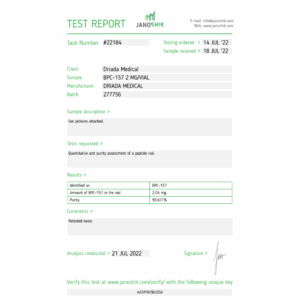
BPC-157 2mg – Healing and Recovery Peptide
The original price was: €32.28 €The current price is: €28. -
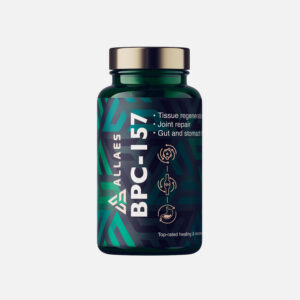
Allaes BPC-157
The original price was: €66.61 €The current price is: €61. -
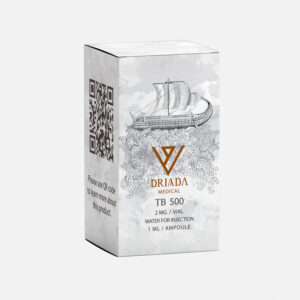
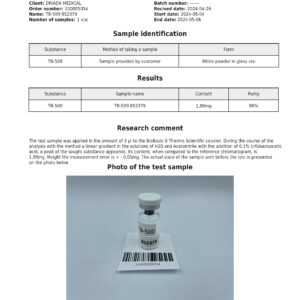
TB500 2mg – Healing and Recovery Peptide
The original price was: €36.32 €The current price is: €32. -
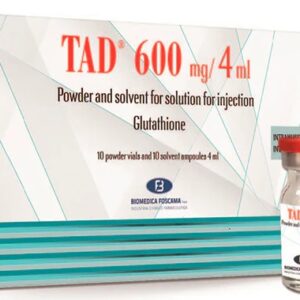
TAD-600 – Glutathione – Antioxidant Peptide
The original price was: €70.64 €The current price is: €64.
Related products
-
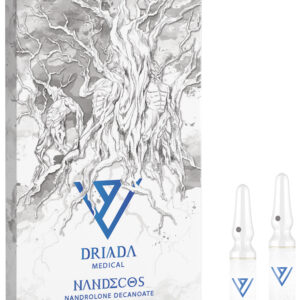
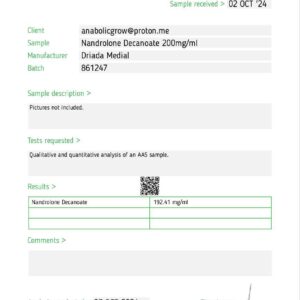
Nandecos 200 mg/ml (Nandrolone Decanoate-Deca Durabolin)
The original price was: €43.39,99 €The current price is: $39.99. -
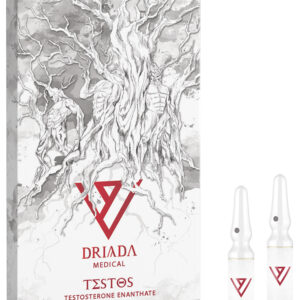
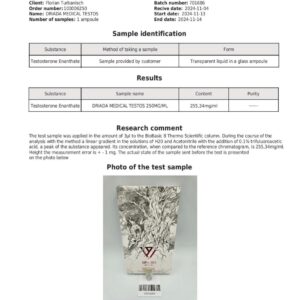
Testos 250 mg/ml (Testosterone Enanthate)
The original price was: €44.39 €The current price is: €39. -
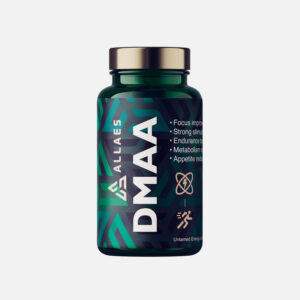
Allaes DMAA
The original price was: €26.22 €The current price is: €22. -
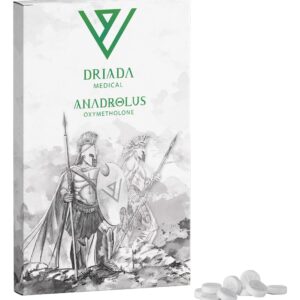
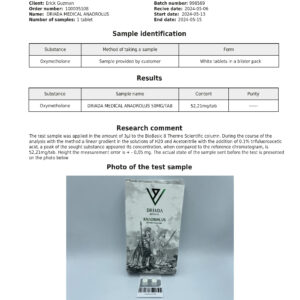
Anadrolus 50 mg – Oxymetholone – Anadrol
The original price was: $39.35 €The current price is: 35 €. -
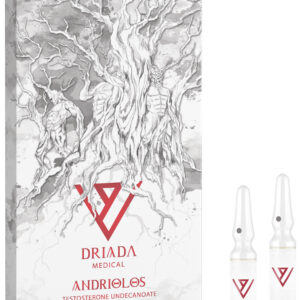
Andriolos 250 mg/ml (Testosterone Undecanoate)
The original price was: €36.32 €The current price is: €32.