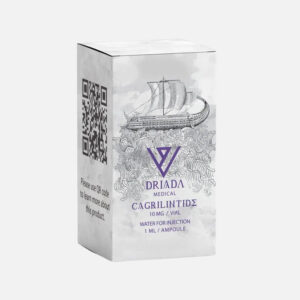
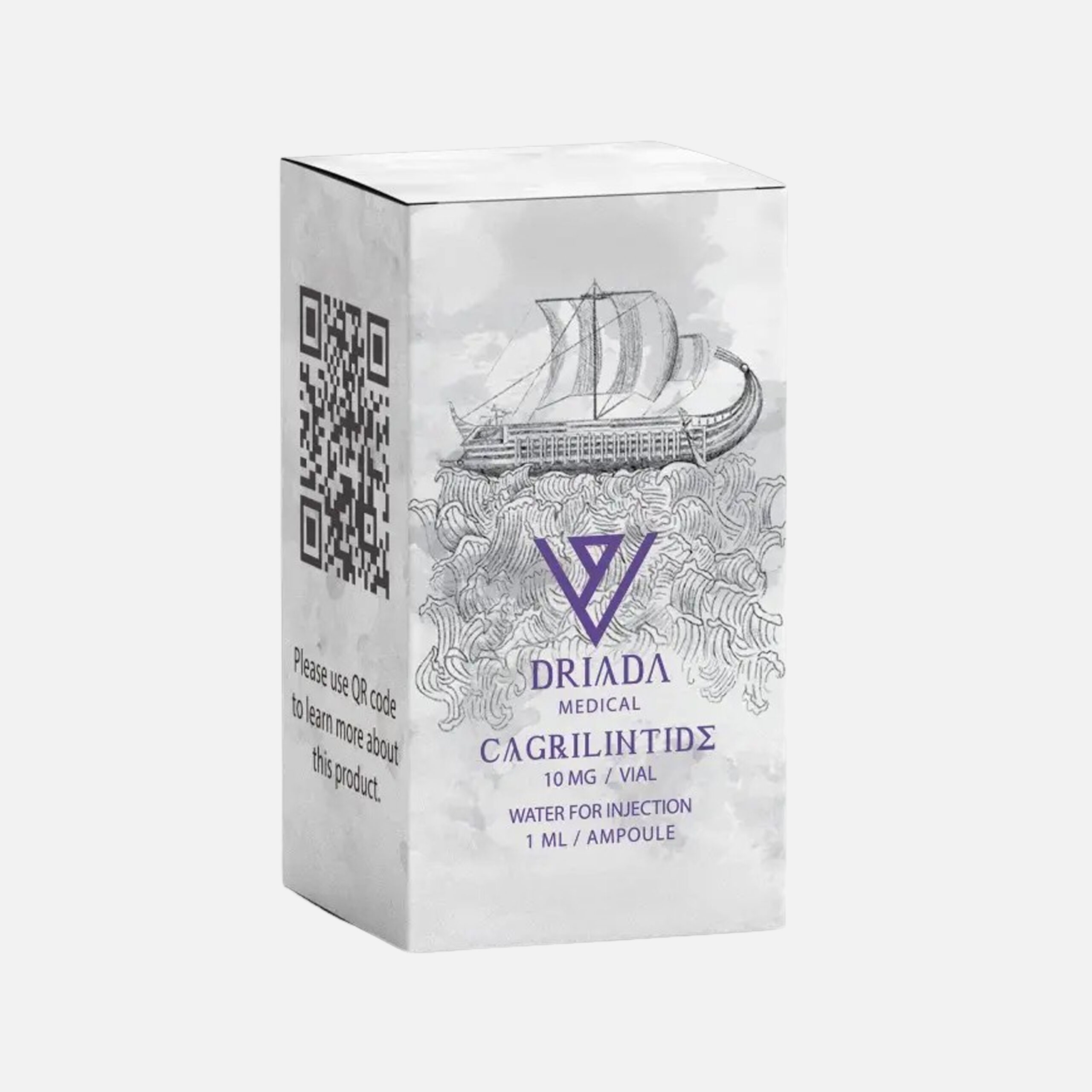
Cagrilintide 10mg
Cagrilintide Fat-Burning Peptide
Composition: Cagrilintide 10 mg
Class: Peptide
Indications for use: weight loss support and appetite regulation
Pharmaceutical form: vial containing 10 mg of lyophilized powder with separate 1 ml ampoule of water for injections
Route of administration: subcutaneous injection
- Shipping (if the product is in stock): 3 business days for processing and 5 to 20 business days for shipping
- Processing and shipping costs: €27 throughout Italy
What is Cagrilintide?
Cagrilintide is a peptide designed to promote body fat reduction, appetite control, and a reduced risk of developing diabetes. Its mechanism of action is based on the activation of amylin receptors, which are involved in regulating satiety and the rate of gastric emptying.
Unlike GLP-1 receptor agonists (such as semaglutide, tirzepatide, or retatrutide), Cagrilintide acts through a distinct biological pathway. For this reason, it can be used in combination with these drugs—especially when they have lost their effectiveness—or on its own, even at lower doses, particularly when the goal is to preserve as much muscle mass as possible.
Main effects of Cagrilintide
-
Reduces appetite and limits cravings for high-calorie foods
-
Increases the feeling of fullness after meals
-
Slows gastric emptying, prolonging the feeling of fullness
-
Makes it easier to maintain a calorie deficit without persistent hunger
-
Promotes weight loss mainly from body fat
-
Helps preserve muscle mass when combined with training and adequate protein intake
-
Improve food control during periods of strict dieting or competitive training
How to take Cagrilintide
Cagrilintide is supplied in a vial containing 10 mg of lyophilized powder, which must be reconstituted with water for injections before use.
Instead of the standard dilution with 1 ml, dilution with 2 ml of water is recommended in order to facilitate the measurement of very low doses and reduce the risk of overdose, given the high concentration of the product.
It is administered by subcutaneous injection once a week, always on the same day.
Recommended weekly schedule
(Dilution: 10 mg of Cagrilintide + 2 mL of water for injection).
| Weeks | Weekly dose | Notes |
|---|---|---|
| 1–4 | 0.3 mg | Initial dose – assess tolerance |
| 5–8 | 0.6 mg | Increase only if well tolerated |
| 9–12 | 1.2 mg | Gradual increase |
| 16 | 1.8 mg | For those who need a more pronounced effect |
| 17+ | 2.4 mg | Maximum dose – do not exceed |
If you miss a dose:
-
Take it as soon as possible if there are more than 3 days until the next one.
-
If there are less than 3 days left, skip the missed dose.
When combined with GLP-1 drugs, it is advisable not to increase the dosages at the same time: first stabilize one, then increase the other after 1–2 weeks.
Precautions
-
Avoid use if you have a known allergy to any of the ingredients.
-
Use caution if you have never taken similar therapy before.
-
Avoid in the presence of severe gastrointestinal disorders.
-
In diabetic patients, it may be necessary to adjust hypoglycemic therapy.
-
Monitor blood sugar levels and overall health during the first few weeks
Possible side effects
-
Nausea (more common at the beginning)
-
Mild abdominal bloating or discomfort
-
Constipation or diarrhea
-
Headache
-
Fatigue
-
Rarely allergic reactions
Storage
-
Store the lyophilized powder between 2°C and 8°C.
-
After reconstitution, store in a refrigerator (2–8 °C).
-
Do not freeze
-
Protect from direct light
How Cagrilintide works
Relationship with amylin
Cagrilintide is a synthetic analogue of amylin, a hormone naturally released by the pancreas during meals. Its function is to signal to the brain that food has been ingested and to slow down digestion.
Effect on the stomach
After injection, Cagrilintide binds to specific receptors in the brain that send a signal to the stomach to slow down. Food remains in the stomach longer, prolonging satiety in a physiological and safe manner.
Neural signals of satiety
The drug amplifies the natural "fullness" signals transmitted to the hypothalamus, reducing hunger pangs and delaying the return of appetite.
Energy balance
Cagrilintide helps the body better manage the balance between calories consumed and calories burned, promoting more stable and efficient energy use.
Clinical studies and combination with GLP-1
Cagrilintide acts in a different way to GLP-1 drugs. The combination of the two mechanisms produces a double satiety signal, making it particularly effective.
Phase 2 and 3 clinical trials have shown that the combination of Cagrilintide + semaglutide can lead to an average weight loss of 20–23% in 68 weeks, results comparable to or superior to the best drugs currently available.
Frequently asked questions (FAQ)
Is Cagrilintide legal?
It is still in clinical trials and is not available in pharmacies, but it can be used for research purposes.
Does it cause muscle loss?
Not directly. Muscle loss depends on how quickly you lose weight and your diet. Adequate protein and strength training help preserve muscle mass.
Does it cause cancer?
There is currently no evidence linking Cagrilintide to cancer. Available studies do not show such a risk.
Related products
-
Salbutamol 4mg (Asthalin 4) (45 tablets) Salbutamol
The original price was: €26.22 €The current price is: €22. -
Somatropin HGH Liquid 50iu – Growth Hormone – Pre-mixed Liquid GH
The original price was: €100.94 €The current price is: 94 €. -
Viagros 100mg (Sildenafil – Viagra)
The original price was: €17.16 €The current price is: €16. -
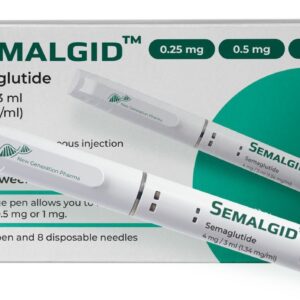
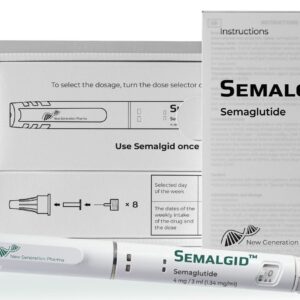
Semalgid 4mg – Semaglutide – Ozempic pen
The original price was: €139.127 €The current price is: €127. -
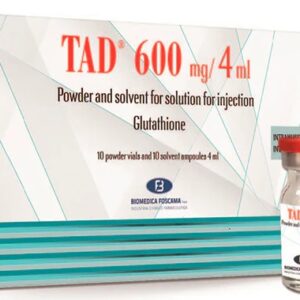
TAD-600 – Glutathione – Antioxidant Peptide
The original price was: €70.64 €The current price is: €64.