In this article, we’ll explain the increasingly frequent use of insulin, often combined with growth hormone (GH), in modern bodybuilding, both competitive and recreational. Before we begin, however, we’d like to point out that this article describes highly advanced and potentially dangerous practices: don’t improvise unless you’re an experienced bodybuilder or are being treated by a specialized sports physician.
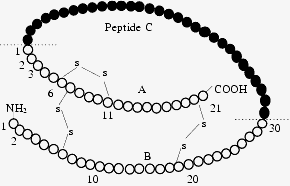
What is insulin and what is its relationship with growth hormone?
Insulin is a hormone produced by the pancreas and, without going into detail, is a “storage” hormone. When blood glucose levels rise, the pancreas secretes insulin, which binds with blood glucose and stores it where needed (if not needed, it stores it as fat). Since glucose is the “transporter” of all nutrients in the blood, when glucose is transported and stored, the various bound nutrients are also transported and stored.
L’insulina, anche se non direttamente, è agonista con l’ormone della crescita: quando l’insulina è bassa il nostro corpo tende a secernere più ormone della crescita e viceversa. Come saprete l’ormone della crescita è responsaabile (tra le altre cose) della duplicazione delle cellule e della produzione di IGF1 (peptide ormonale necessaria alla crescita muscolare).
Perchè si usa l’insulina con l’ormone della crescita nel culturismo?
Andiamo con ordine per semplificare le cose. Un culturista assume ormone della crescita (HGH) esogeno per, di fatto, crescere. Più GH assume esternamente e meno insulina il corpo produce (ormoni agonisti). Se la glicemia si alza troppo non solo si rischia il diabete, ma anche tutti i nutrienti necessari per crescere (eat big to get big) non vengono immagazzinati e questo porta nel tempo il motabolismo a desensibilizzarsi all’ormone della crescita che produrrà solo effetti collaterali. Tenete presente che stiamo parlando di culturisti AGONISTI che arrivano a prendere decine di unità al giorno.
Se però si assume dell’insulina esogena il problema in teoria si risolve: allo stesso tempo avrete livelli alti di nutrienti nel sangue, livelli alti di HGH e livelli alti di insulina che immagazzinerà tutti I nutrienti dove servono e trasporterà anche l’ormone della crescita ai ricettori.
Effetti collaterali dell’insulina e del GH usati insieme
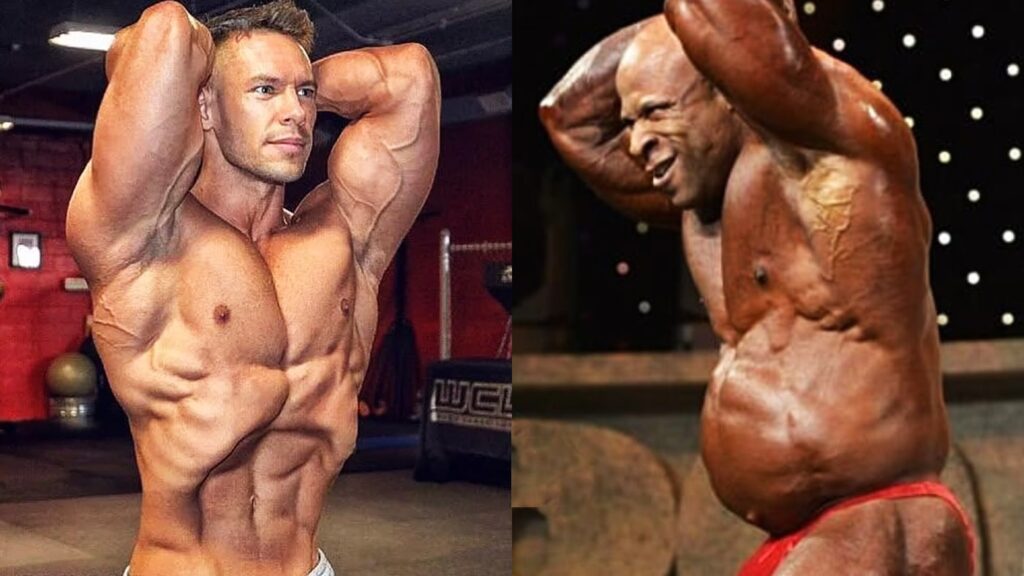
So far, it seems that HGH and insulin used in synergy are the perfect combination for growth, and indeed, when used scientifically, they are. Unfortunately, however, it’s not all roses and rainbows. Insulin is a very powerful hormone; even a few drops can lead to hypoglycemic attacks due to a lack of nutrients and glucose in the blood, which can be LETHAL. Furthermore, prolonged use of insulin, especially with GH, can lead to severe insulin desensitization of the body, resulting in diabetes. Furthermore, if you use or abuse insulin with GH, or if you use it incorrectly, you risk enlargement not only of the “aesthetic” muscles, but also of all lean tissue, including the heart and viscera (a phenomenon recently called bubble guts, where some bodybuilders, despite being very toned, look pregnant). Finally, if your diet isn’t perfectly calibrated to the doses taken… you risk gaining weight, and quite a bit, given that insulin also stores fat.
Conclusions
Per concludere: è vero che tutti I top bodybuilders nel mondo hanno usato o usano insulina e HGH insieme off season per crescere a dismisura, ma sono pratiche difficili da gestire e potenzilmente molto pericolose. A voi la scelta …