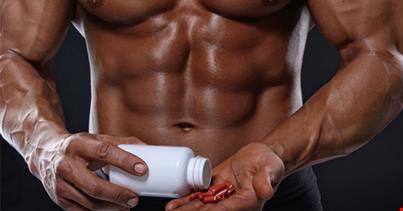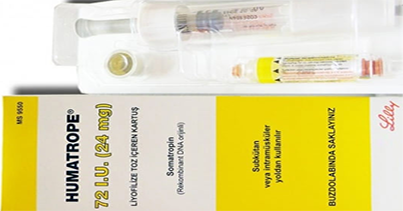
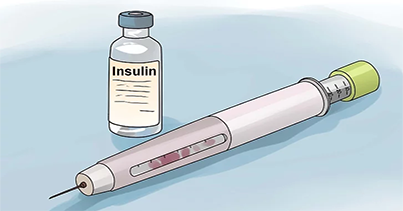
In this article, we’ll explain the increasingly common useof insulin—often combined withgrowth hormone (GH)—in modern bodybuilding, both at the competitive and amateur levels. Before we begin, however, we’d like to make it clear that this article describes very advanced and potentially dangerous practices: do not attempt these on your own unless you are an experienced bodybuilder or are under the supervision of a specialized sports physician.
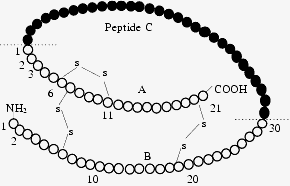
What is insulin, and how is it related to growth hormone?
Insulin is a hormone produced by the pancreas and, without going into detail, it is a “storage” hormone. When blood glucose levels rise, the pancreas secretes insulin, which binds to blood glucose and stores it where needed (if it is not needed, it stores it as fat). Since glucose acts as a “carrier” for all the nutrients in the blood, when it is transported and stored, the various nutrients bound to it are also transported and stored.
Insulin, although not directly, acts as an agonist for growth hormone: when insulin levels are low, our body tends to secrete more growth hormone, and vice versa. As you may know, growth hormone is responsible (among other things) for cell division and the production of IGF-1 (a hormone peptide necessary for muscle growth).
Why is insulin used with growth hormone in bodybuilding?
Let’s take it step by step to simplify things. A bodybuilder takes exogenous growth hormone (HGH) to, essentially, grow. The more GH they take externally, the less insulin the body produces (agonist hormones). If blood sugar rises too high, not only is there a risk of diabetes, but all the nutrients needed for growth (eat big to get big) aren’t stored, and over time this causes the metabolism to become desensitized to growth hormone, which will only produce side effects. Keep in mind that we’re talking about AGONIST bodybuilders who end up taking dozens of units a day.
However, if you take exogenous insulin, the problem is theoretically solved: you’ll have high levels of nutrients in your blood, high levels of HGH, and high levels of insulin, which will store all the nutrients where they’re needed and also transport the growth hormone to its receptors.
Side effects of insulin and GH used together
So far, it seems that HGH and insulin used in synergy are the perfect combination for growth—and, in fact, when used scientifically, they are. Unfortunately, however, it’s not all roses and sunshine. Insulin is a very powerful hormone; even a few drops can lead to hypoglycemic episodes due to a lack of nutrients and glucose in the blood, which can be LETHAL.
Furthermore, prolonged use of insulin, especially in combination with GH, can lead to severe insulin resistance, resulting in diabetes. Moreover, if insulin is used or abused in combination with GH, or if it is used incorrectly, there is a risk of enlargement not only of “aesthetic” muscles but of all lean tissue, including the heart and internal organs (a phenomenon recently termed “bubble guts,” in which some bodybuilders, despite being very toned, appear to be pregnant).
Finally, if your diet isn't perfectly balanced in terms of the amounts you consume… you risk gaining weight—and quite a bit of it, since insulin also stores fat.

Conclusions
To conclude: it is true that all top bodybuilders in the world have used or use insulin and HGH together off season to grow disproportionately, but these practices are difficult to manage and potentially very dangerous. The choice is yours...