Many bodybuilders engage in intense training to maximize muscle growth. However, this dedication can affect cholesterol levels, especially when using anabolic steroids. Understanding the relationship between these factors is essential for anyone who wants to make progress safely. This informative guide explains the mechanisms involved and provides practical advice for managing cholesterol. In 2026, with increased focus on cardiovascular health, a mindful approach becomes even more important.
The Relationship Between Intense Exercise and Cholesterol
Intense exercise can affect cholesterol levels in various ways. Regular physical activity tends to improve “good” cholesterol (HDL) while reducing “bad” cholesterol (LDL). However, extreme workouts combined with high-calorie diets can create temporary imbalances. In addition, high levels of physical stress affect lipid metabolism. Therefore, regularly monitoring blood levels is essential for serious athletes. This monitoring allows for timely intervention before problems become significant.
How Anabolic Steroids Affect the Lipid Profile
Anabolic steroids often alter cholesterol levels during cycles. Many oral compounds tend to increase LDL and decrease HDL due to first-pass metabolism in the liver. In contrast, some injectables have a smaller but still significant impact. Furthermore, water retention and estrogenic effects can further complicate the picture. As a result, responsible athletes get their levels tested before, during, and after a cycle. This monitoring helps assess the actual impact on the cardiovascular system.
Managing Cholesterol During Steroid Cycles
Proper cholesterol management is vital when using anabolic steroids. Supplements such as omega-3, niacin, and phytosterols can help support lipid profiles. In addition, a diet rich in vegetables, fiber, and healthy fats has a positive effect. However, some athletes temporarily reduce temporarily the intensity of their cardio training during bulking phases. Therefore, combining these measures helps maintain more stable levels. Medical supervision remains the wisest choice, however.
Foods and Supplements That Help with Weight Management
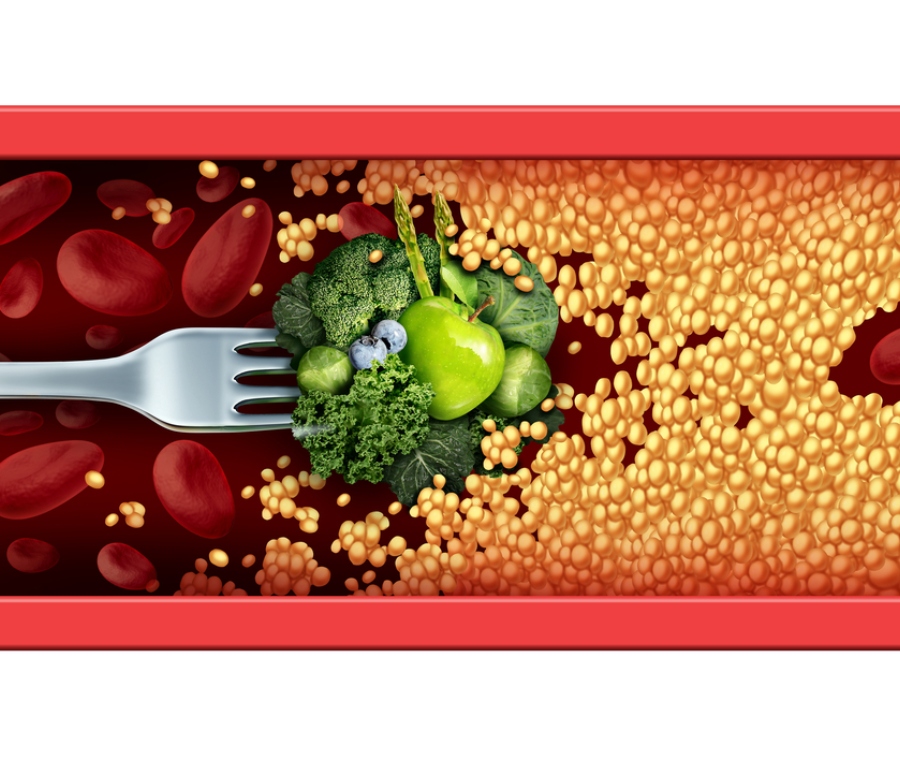
In management of intense training and anabolic steroids, nutrition plays a key role. Foods such as salmon, walnuts, avocados, and olive oil help improve the HDL/LDL ratio. In addition, specific supplements such as berberine or red yeast rice are often used with caution.
- Leafy green vegetables for fiber
- Fatty fish for omega-3s
- Oats for beta-glucan. However, it is important not to take excessive doses of supplements without medical supervision. This natural approach supports the body during particularly demanding periods.
Recommended Monitoring and Analysis
Regular monitoring is essential for anyone who combines intense training with anabolic steroids. Comprehensive lipid profile tests every 4–6 weeks allow for early intervention early. In addition, checking liver, kidney, and hematocrit levels provides a more complete picture. Many serious athletes schedule these tests before starting a new cycle. As a result, this practice significantly reduces long-term cardiovascular risks.
Practical Tips for Responsible Athletes
Athletes who want to achieve significant results must take a responsible approach. Temporarily reducing training intensity when cholesterol levels rise is a wise choice. In addition, incorporating rest periods helps the body recover. Therefore, combining training, nutrition, and smart training cycles helps maintain good health. In 2026, product quality and medical monitoring will remain fundamental elements for those who train seriously.
In conclusion, intense training, cholesterol, and anabolic steroids can coexist when you take an informed and cautious approach. This guide has provided the tools you need to best manage these aspects. Always remember that cardiovascular health must remain a priority to achieve lasting results. Staying informed and consulting with specialists is the best choice for anyone who wants to make progress safely.