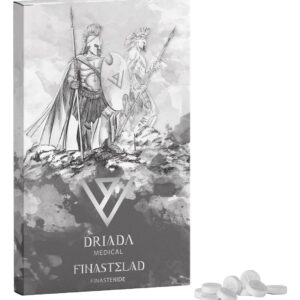
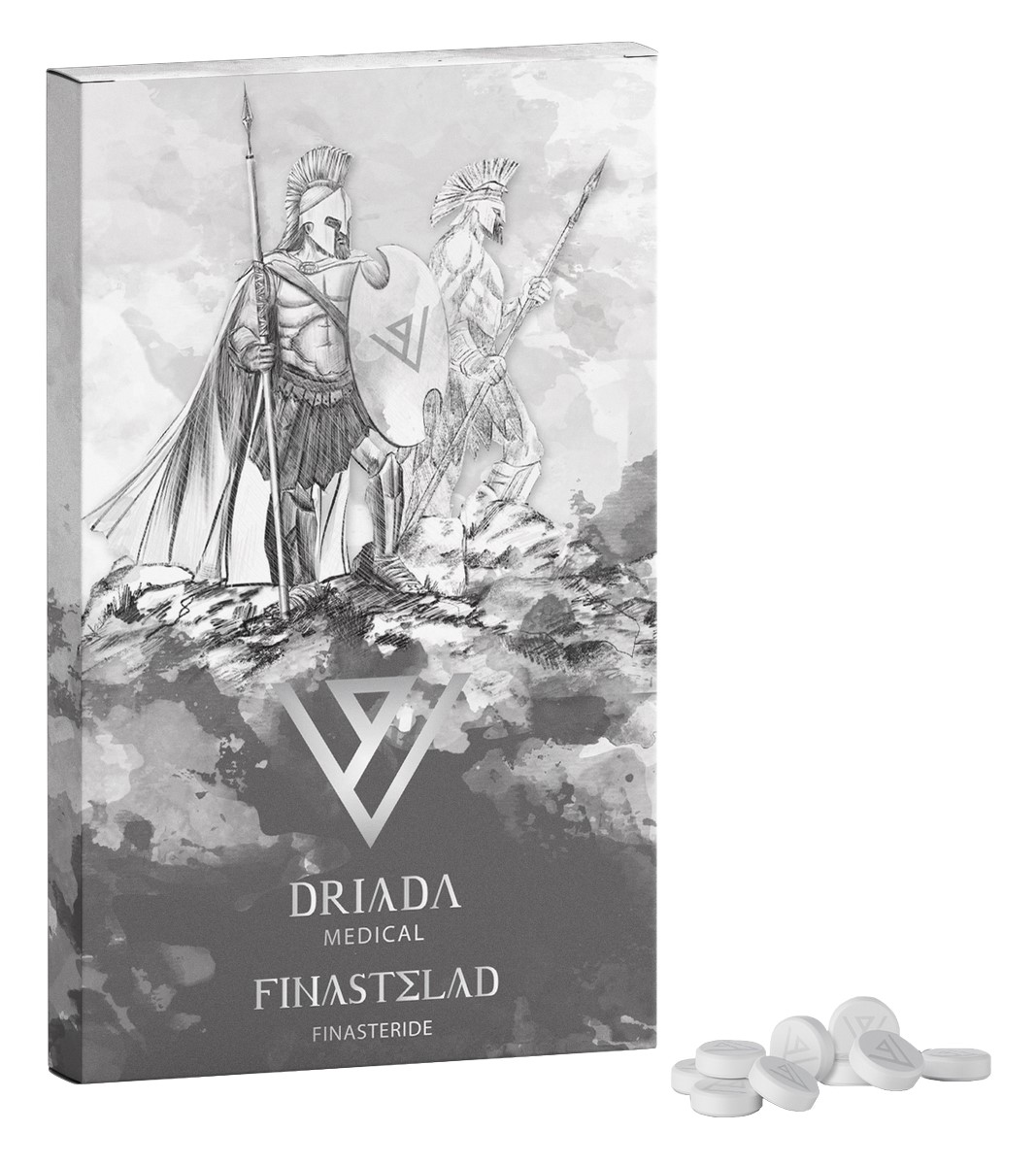
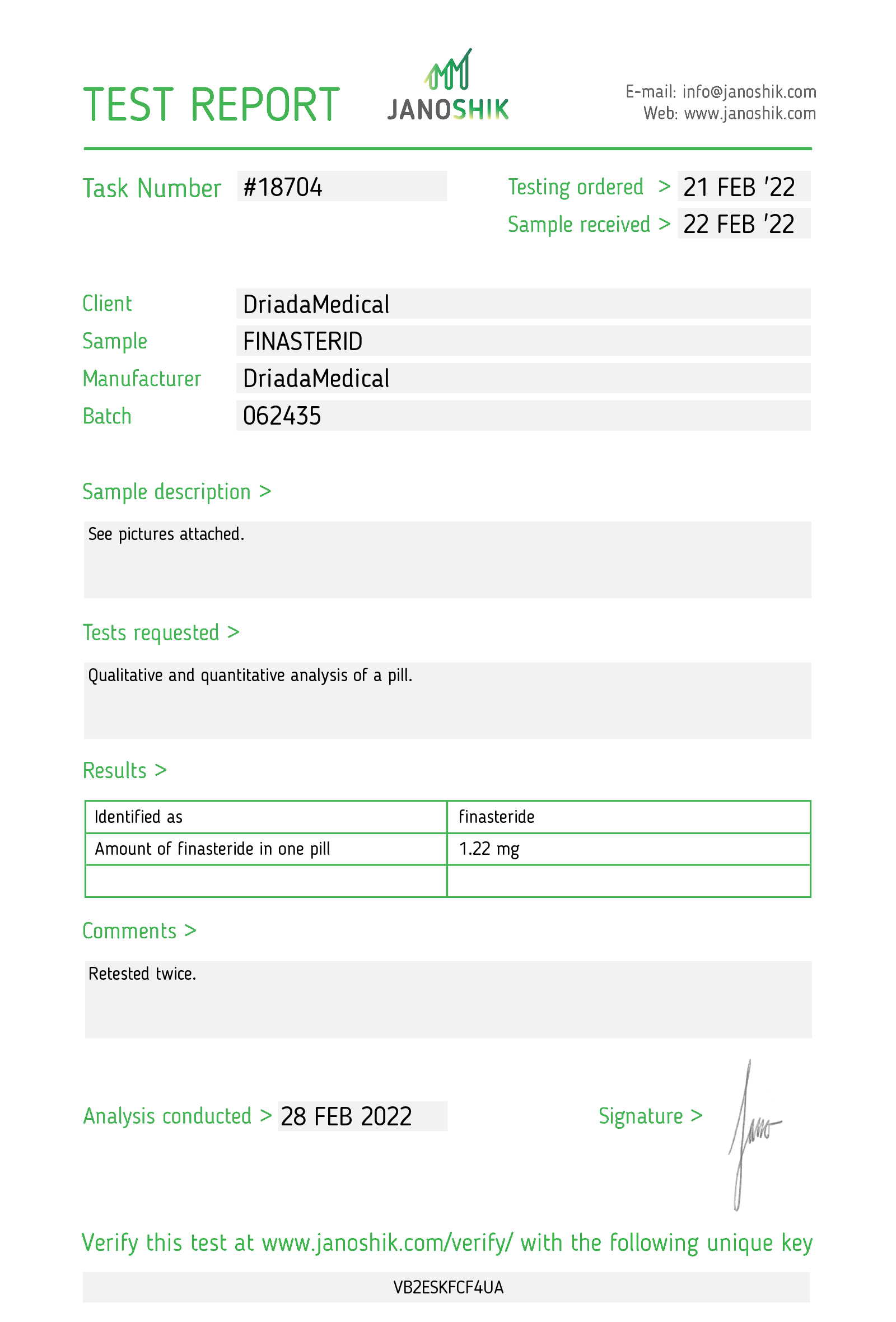
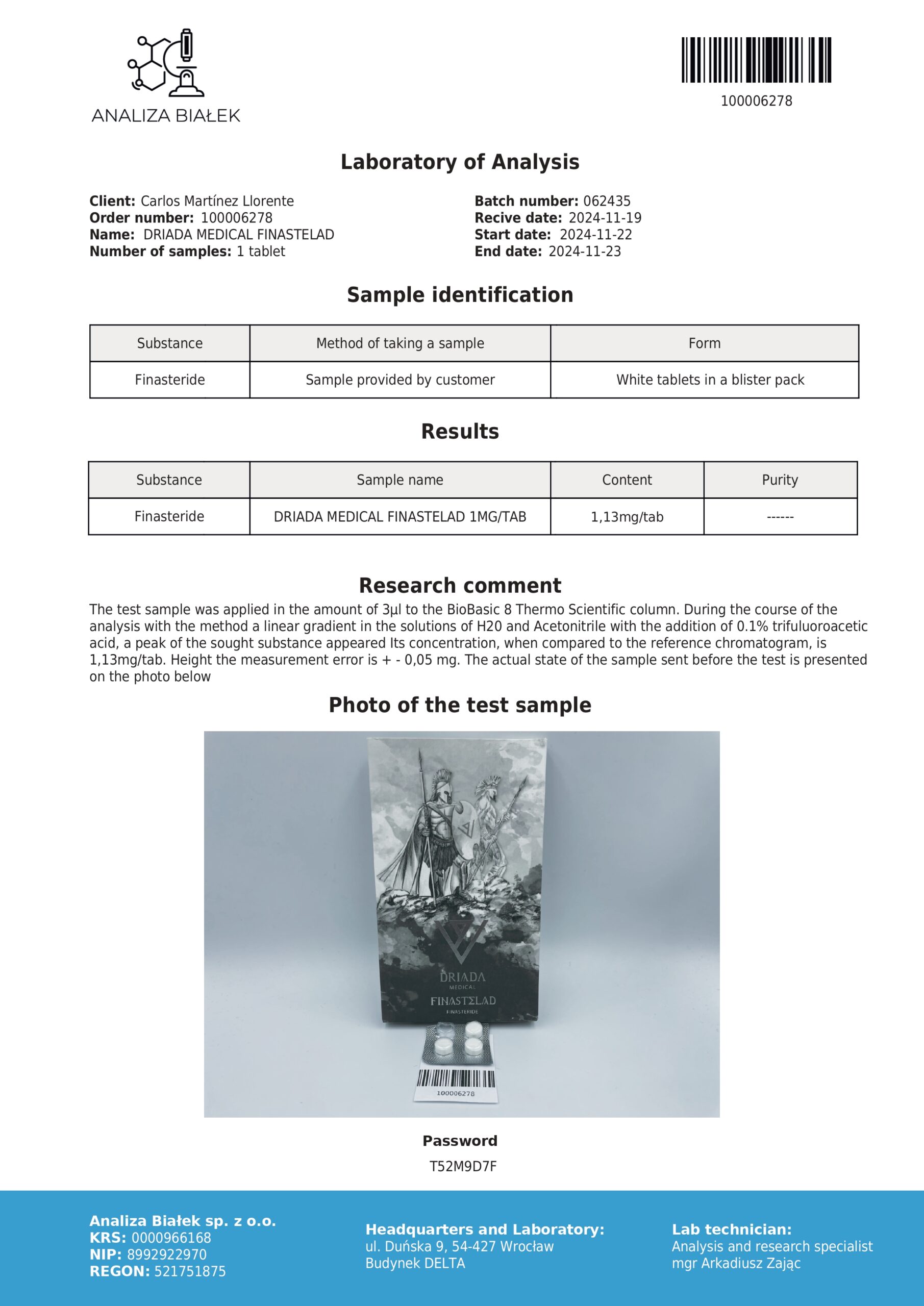

Finastelad 1 mg Finasteride Propecia
Finasteride Propecia
Active ingredient: Finasteride
Pharmacological class: 5α-reductase inhibitor
Pharmaceutical form: tablets for oral use
Package: 50 tablets
- Shipping (if the product is in stock): 3 business days for processing and 5 to 20 business days for shipping
- Processing and shipping costs: €27 throughout Italy
Description
Finasteride, also known by the brand name Propecia, is a selective inhibitor of 5α-reductase, the enzyme responsible for converting testosterone into dihydrotestosterone (DHT), a more potent form of androgen. DHT plays a central role in the development of benign prostatic hyperplasia andandrogenetic alopecia.
Finasteride works primarily by inhibiting type II and III 5α-reductase isoenzymes, reducing DHT production in the prostate and scalp. This effect leads to a decrease in prostate enlargement, improved urinary flow, and a reduction in symptoms associated with benign prostatic hyperplasia. Clinical benefits may take several months of continuous treatment to fully manifest.
Mechanism of action
By blocking 5α-reductase, finasteride (Propecia) prevents the conversion of testosterone into DHT.
-
Serum DHT levels are reduced by approximately 65–70%.
-
In the prostate, DHT reduction can reach85–90%, where type II isoenzyme predominates.
Unlike dutasteride, which inhibits all isoenzymes of 5α-reductase and reduces DHT by over 99%, finasteride does not significantly block type I isoenzyme. For this reason, DHT production is not completely suppressed.
In the scalp, the reduction in DHT decreases androgenic activity on the hair follicles, slowing down hair miniaturization. In the prostate, finasteride reduces the volume of the gland and the risk of prostate hypertrophy progression.
Purposes of use
Benign prostatic hypertrophy
Finasteride is widely used in the treatment of enlarged prostate. It improves urinary flow and reduces symptoms such as difficulty and pain during urination. Compared to alpha-blockers (e.g., tamsulosin), the effect is slower but longer lasting. Long-term studies have shown a significant reduction in the risk of acute urinary retention and surgery.
Hair loss (androgenetic alopecia)
Propecia is indicated for the treatment of hair loss in men. It does not completely restore hair, but slows down the progression of hair loss and can improve hair density by about 30% after six months of treatment. The effect is maintained only with continued use of the drug.
Excessive hair growth (hirsutism)
Finasteride has also been shown to be effective in treating hirsutism, significantly reducing hair growth in women with hyperandrogenism, although this use is less common.
Transgender hormone therapy
Finasteride is sometimes used as an antiandrogenic support in hormone therapy for transgender women, in combination with estrogen.
Application in sports
In the sports world, finasteride is sometimes used to limit the androgenic side effects associated with the excessive conversion of testosterone into DHT, such as acne, hair loss, and prostate enlargement. However, when used in combination with certain steroids (e.g., nandrolone) may increase the risk of androgenic side effects, as it blocks the conversion to less active metabolites.
Main effects
-
treatment of benign prostatic hypertrophy
-
slowing down of androgenetic alopecia
-
reduction in DHT levels
-
treatment of excessive hair growth
Side effects
-
decreased libido
-
decrease in ejaculate volume
-
gynecomastia
-
possible allergic reactions (skin rash, angioedema)
Related products
-
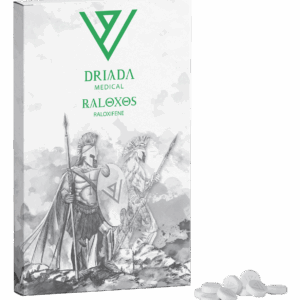
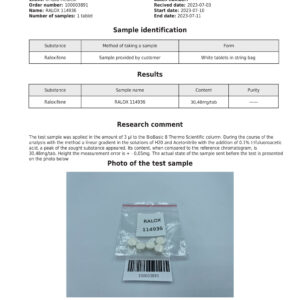
Raloxos 30mg (Raloxifene)
The original price was: €32.29 €The current price is: €29. -
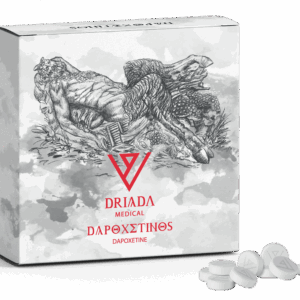
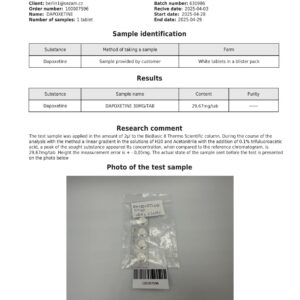
Dapoxetine 30mg (Dapoxetine)
The original price was: €22.19 €The current price is: €19. -
Clomilad 25 mg (Clomiphene Citrate) – Clomid
The original price was: €36.31 €The current price is: €31. -
Dinabolyn 10 mg (Metandrostenolone) – Dbol – Dianabol
The original price was: €32.28 €The current price is: €28. -
Anadrolus 50 mg – Oxymetholone – Anadrol
The original price was: $39.35 €The current price is: 35 €.