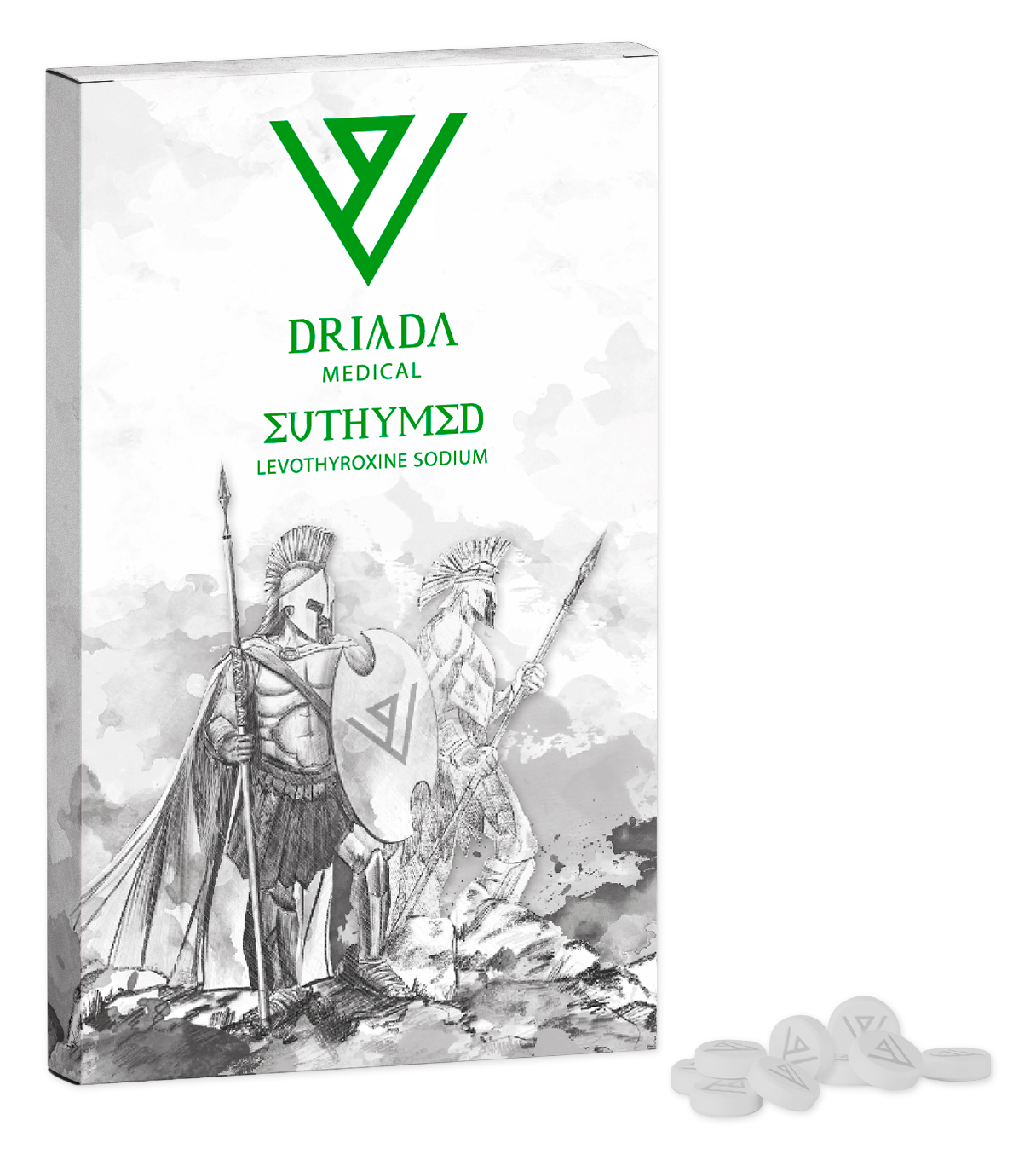
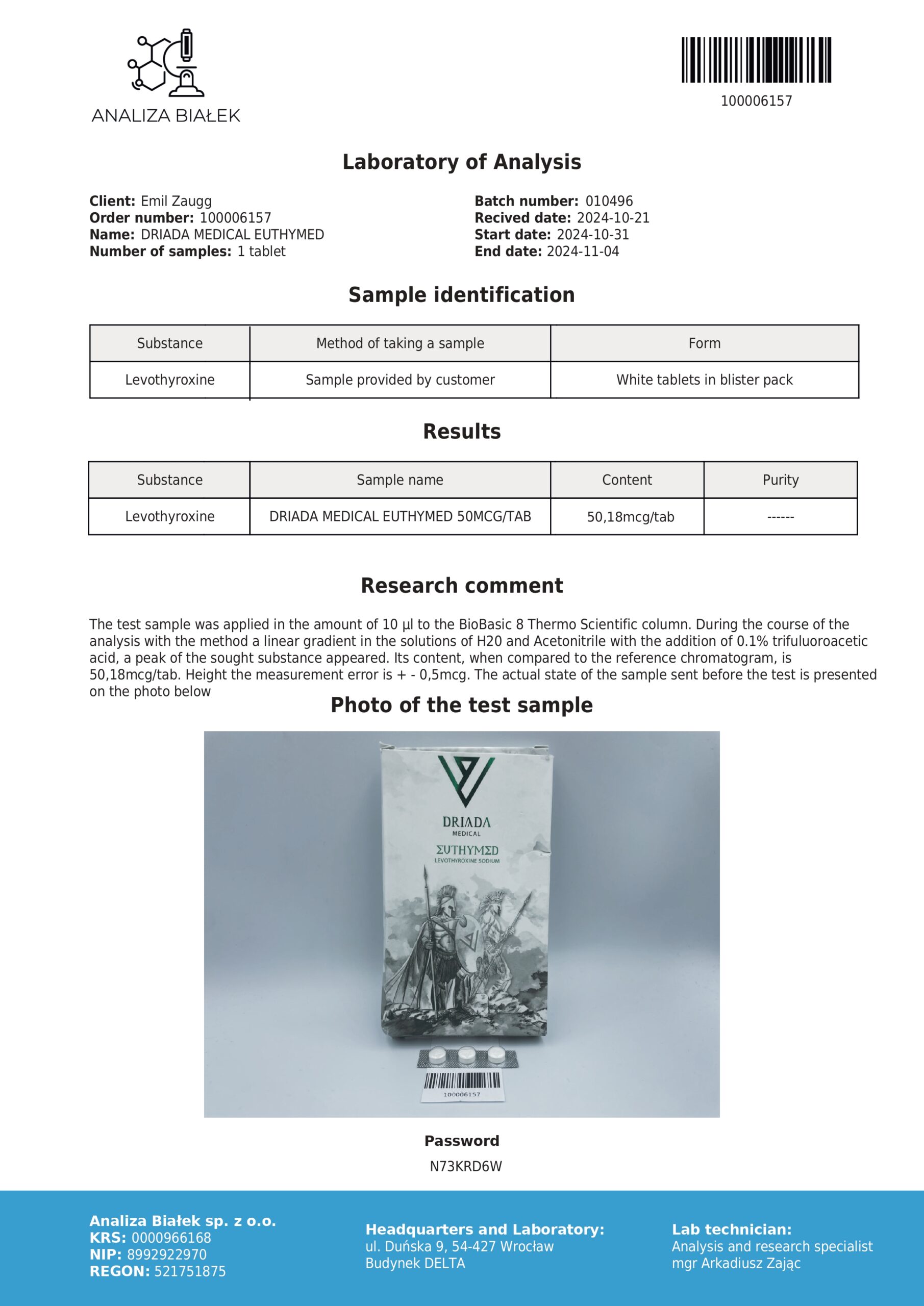
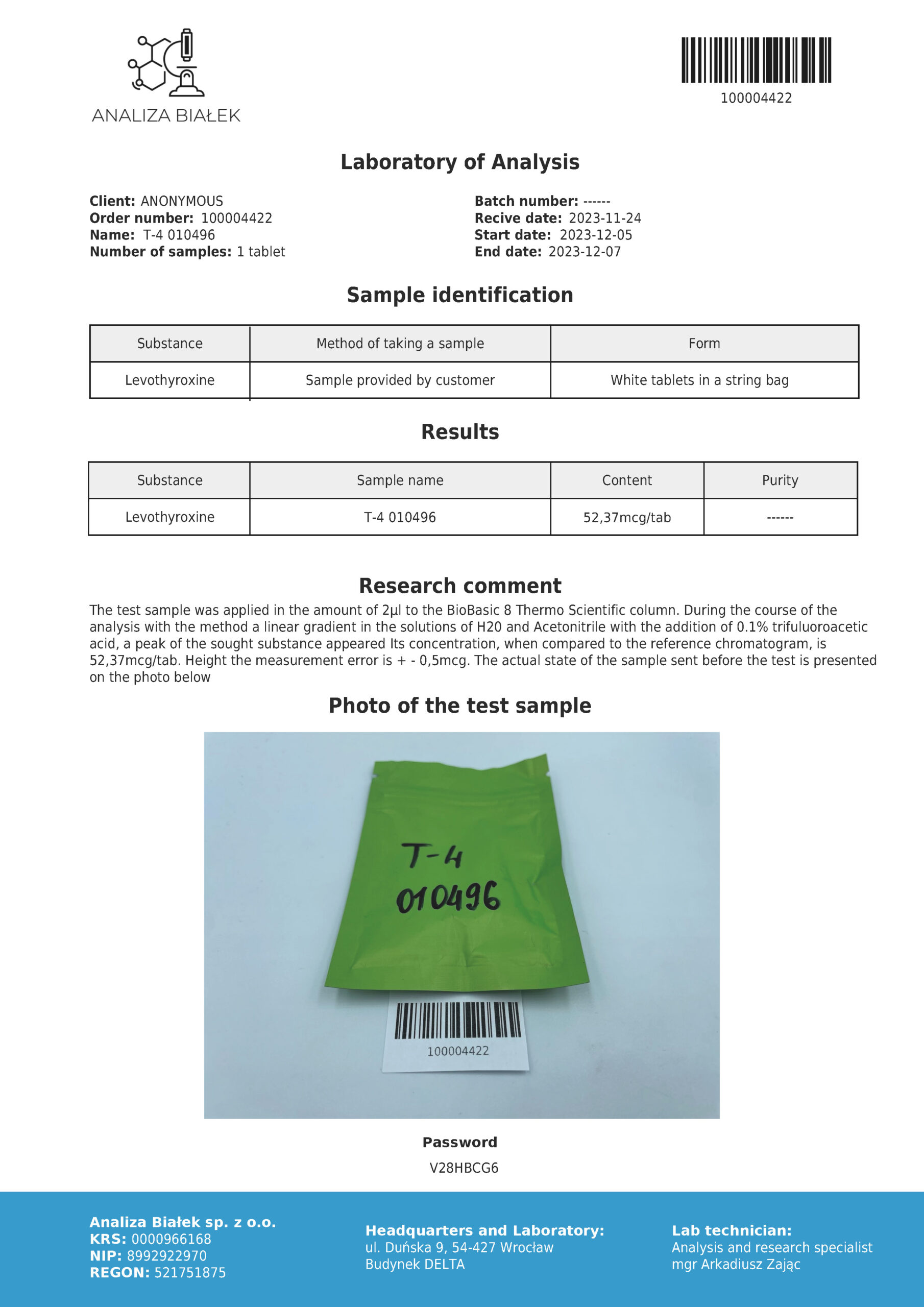
T4 Euthymed 50 mcg (Levothyroxine Sodium) Thyroxine
T4 Eutirox – Thyroxine
- Active ingredient: Levothyroxine Sodium (T4) – Thyroxine
- Type: Thyroid
- Form: Oral (tablets)
- Packaging: 50 mcg/tab / 100 tabs
- Shipping (if the product is in stock): 3 business days for processing and 5 to 20 business days for shipping
- Processing and shipping costs: €27 throughout Italy
Description
Levothyroxine is the synthetic form of thyroxine (T4), a hormone naturally produced by the thyroid gland. Thyroxine is converted peripherally into its biologically active metabolite, L-triiodothyronine (T3). Both T4 and T3 bind to nuclear thyroid receptors, regulating DNA transcription and protein synthesis, with direct effects on cellular metabolism, energy consumption, and the function of numerous organs.
From a chemical standpoint, levothyroxine is a chiral compound in the L-form, identical to the endogenous thyroid hormone, ensuring a physiological action comparable to that of natural thyroxine.
Purposes of use
Levothyroxine is primarily indicated for the treatmentof hypothyroidism, a condition characterized by insufficient production of thyroid hormones. Levothyroxine sodium replaces or supplements thyroxine (T4), which the thyroid gland is unable to produce in adequate quantities.
Thyroid hormone deficiency can result from:
-
autoimmune diseases (e.g., Hashimoto's thyroiditis)
-
surgical removal of the thyroid gland
-
radioactive iodine treatments
-
damage caused by drugs or radiation
Levothyroxine is also known as L-thyroxine or T4
Effects on metabolism and performance
Optimized metabolism
By restoring thyroxine levels to normal, levothyroxine helps normalize the basal metabolism, promoting efficient management of energy, body composition, and caloric expenditure.
Increased energy levels
A balanced thyroid function improves vitality, endurance, and the ability to sustain intense workouts.
Muscle recovery
Thyroxine supports protein synthesis and muscle repair processes, making it particularly important during post-workout recovery phases.
Weight management
By regulating metabolism, Levothyroxine helps maintain a stable body weight, which is crucial for both aesthetic and performance goals.
Consistent performance
Stable levels of thyroxine ensure consistent physical and cognitive performance, which are essential for athletes and individuals with high energy demands.
Combined use with growth hormone (HGH)
In individuals taking human growth hormone (HGH), supplementation with T4 (Levothyroxine) may be necessary. HGH increases the peripheral conversion of thyroxine to T3, with the risk of developing a functional T4 deficiency if not adequately compensated for.
Dosage and administration
Levothyroxine should be taken on an empty stomach, ideally 30–60 minutes before meals, to maximize intestinal absorption. The tablet should be swallowed with a glass of water.
The dosage depends on:
-
age
-
body weight
-
clinical condition
-
individual response
-
therapeutic adherence
The maximum dosage can reach 300–400 mcg per day, but such doses are rare and reserved for selected cases under medical supervision.
How to use
Generally:
-
initial dose: 25–50 mcg per day
-
gradual increase of 25–50 mcg every 5–6 days
-
average dose: 100–200 mcg per day
The gradual approach allows the thyroid gland and the body to adapt to exogenous thyroxine. Cycles should not exceed 5–7 weeks, with breaks of at least 6 weeks between cycles.
In sports, levothyroxine is sometimes combined with other metabolic agents, although this requires particular caution.
Pharmacokinetics
-
Oral absorption: 40–80%
-
Main site of absorption: jejunum and proximal ileum
-
Factors that reduce absorption: food, age, certain diseases, and substances
Half-life of thyroxine:
-
6–7 days in euthyroid subjects
-
9–10 days with hypothyroidism
-
3–4 days in hyperthyroidism
Approximately80% of thyroxine is eliminated via the kidneys, with the remaining 20% eliminated via feces.
Main effects
-
metabolism regulation
-
increased fat burning
-
support for anabolic processes
-
stimulation of the central nervous system
Side effects
Side effects are generally related to excessive dosages and include:
-
excessive weight loss
-
heat intolerance
-
sweating
-
anxiety and insomnia
-
tremors
-
tachycardia
In case of acute overdose, serious events such as fever, hypoglycemia, heart failure, coma, and adrenal crisis may occur.
Precautions
Prolonged use of high doses of levothyroxine can suppress endogenous thyroid hormone production. However, when used correctly, thyroid function tends to normalize within a few weeks of discontinuation.
Thyroxine has effects similar to adrenaline, such as increased heart rate and nervousness, which can sometimes be mitigated with beta-blockers under medical supervision.
Contraindications
Levothyroxine is contraindicated in cases of:
-
hypersensitivity to the active ingredient
-
acute myocardial infarction
-
Untreated thyrotoxicosis
-
uncorrected adrenal insufficiency
Drug interactions
Substances that reduce thyroxine absorption:
-
calcium and iron (within 4 hours)
-
soy (within 3 hours)
-
antacids containing aluminum or magnesium
-
cholestyramine, colestipol, sucralfate
Other relevant interactions:
-
ketamine → tachycardia and hypertension
-
tricyclic antidepressants → increased toxicity
-
lithium → interference with thyroid metabolism
Special warnings
In individuals over 50 years of age or with long-term hypothyroidism, levothyroxine should be introduced gradually. In patients at risk of adrenal insufficiency, corticosteroid coverage is recommended before starting therapy.
Thyroxine may increase the need for insulin or antidiabetic medications. In addition, excess thyroid hormones can contribute to bone loss; the dose should therefore be titrated to the minimum effective level
Storage
-
Store at room temperature
-
Store in a cool, dry place.
-
Protect from direct light
-
Keep out of reach of children
-
Do not use after the expiration date
Related products
-
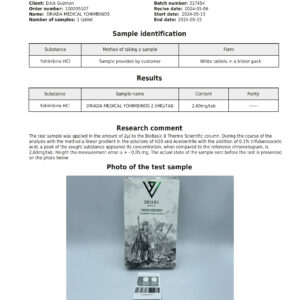
Yohimbinos 2.5mg (Yohimbine Hydrochloride) Yohimbine hydrochloride
The original price was: €23.19,99 €The current price is: €19.99. -
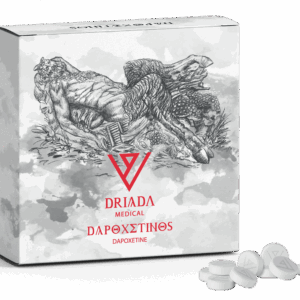
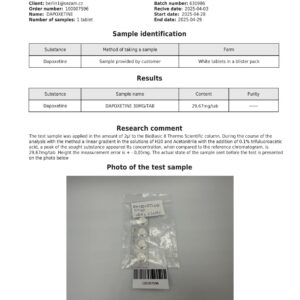
Dapoxetine 30mg (Dapoxetine)
The original price was: €22.19 €The current price is: €19. -
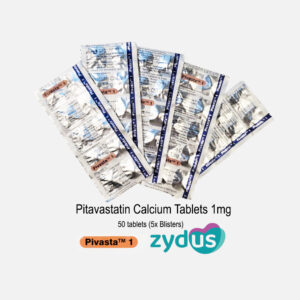
Pitavastatin 1mg (Pivasta 1) (50 tablets, 5 blister packs)
The original price was: €55.52 €The current price is: €52. -
Anadrolus 50 mg – Oxymetholone – Anadrol
The original price was: $39.35 €The current price is: 35 €. -
Liothymed 25 mcg (T3 – Triiodothyronine)
The original price was: €24.21 €The current price is: €21.