
Many Italian men experience a gradual decline in testosterone levels after the age of 40. This leads to persistent fatigue, loss of muscle mass, and a decrease in sexual vitality. By 2026, testosterone replacement therapy is considered a valid medical option for those with a hormone deficiency confirmed by laboratory tests. Updated guidelines offer greater safety and personalization than in the past. However, specific regulations and economic factors require careful evaluation before starting any treatment. This guide provides clear information on the requirements, costs, and alternatives available in Italy today.
The Current Role of TRT in the Italian Healthcare System
Testosterone replacement therapy is prescribed only when symptoms of hypogonadism are evident and supported by repeated laboratory tests. In recent years, health authorities have updated protocols to improve cardiovascular safety. Furthermore, the increase in diagnoses has allowed many patients to receive personalized care. However, treatment is not recommended for simple age-related declines without disabling symptoms. Therefore, doctors carefully assess lifestyle factors before approving any intervention. Consequently, TRT has gained greater trust among Italian specialists thanks to modern formulations and recent studies.








- 1
- 2
Medical criteria required for treatment eligibility
The criteria for initiating testosterone replacement therapy require at least two morning measurements below 12 nmol/L accompanied by clear clinical symptoms. In addition, patients with prostate problems or abnormal blood test results are excluded. Cases of primary hypogonadism are typically approved more quickly than those of secondary hypogonadism. However, men with borderline values must demonstrate a real impact on their daily quality of life. The guidelines emphasize a comprehensive evaluation that includes PSA, a complete blood count, and a lipid profile. Consequently, only those who meet all the criteria receive an official prescription. This precautionary approach significantly reduces the risks of inappropriate use.
Diagnostic and prescribing procedures in Italy
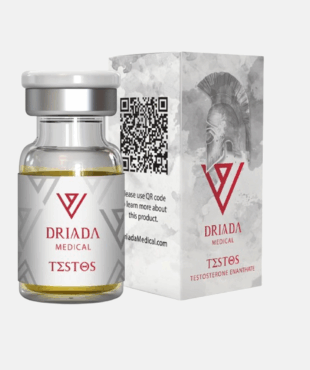
The diagnosis for testosterone replacement therapy typically begins with a consultation with an endocrinologist or andrologist. The doctor then orders repeated laboratory tests and takes a detailed medical history. In many regions, the National Health Service provides partial reimbursement once the treatment plan has been approved. However, some compounded medications remain entirely at the patient’s expense. Throughout the course of treatment, periodic check-ups are scheduled every three to six months to monitor key parameters. This regular follow-up allows for timely adjustments to the dosage. Many specialists now prefer long-acting injections because they significantly simplify treatment adherence.
Comprehensive cost analysis and reimbursement options
The costs of testosterone replacement therapy depend heavily on the formulation chosen and the region of residence. Testosterone undecanoate injections can range from 80 to 160 euros every three months in the private market. In contrast, transdermal gels often require a monthly investment of between 45 and 75 euros. In addition, specialist visits and follow-up exams add approximately 250–450 euros per year. Thanks to National Health Service (SSN) coverage upon presentation of a certified diagnosis, many patients are able to significantly reduce their overall costs. However, regional differences remain significant. Consequently, it is always advisable to check with your local health authority (ASL) in advance regarding available coverage.
Clinical benefits and possible side effects
The benefits of testosterone replacement therapy include a marked improvement in daily energy levels, mood, and bone density in eligible patients. In addition, many report a restoration of sexual function and muscle strength after several months of treatment. However, these benefits are only realized when the therapy is properly monitored. On the other hand, potential side effects such as increased hematocrit or mild skin issues require constant monitoring. Studies conducted in 2025–2026 confirm an acceptable safety profile under close medical supervision. Therefore, fertility may be temporarily affected during the course of treatment. For this reason, those wishing to conceive should discuss preservation strategies with their specialist in advance.
Alternatives to traditional TRT
Several alternatives to testosterone replacement therapy are considered when hormonal treatment is not indicated or preferred. Lifestyle changes, such as resistance training and improving sleep quality, often succeed in raising natural levels. In addition, some doctors prescribe stimulants such as clomiphene to promote endogenous testosterone production. In select cases, gonadotropins help maintain fertility during the process. However, these approaches require greater patience and produce results that vary from person to person. Targeted supplements such as vitamin D, zinc, and magnesium offer additional support but do not replace proper medical therapy. Consequently, a consultation with a specialist remains essential to identify the path best suited to individual needs.
In summary, testosterone replacement therapy is an effective option for treating hypogonadism when administered competently and consistently. Always consulting a qualified specialist helps maximize the benefits and minimize the risks. With the regulatory changes of 2026, access to safe and personalized treatments has become more accessible for those with a genuine clinical need. Accurate information is the foundation for achieving lasting and informed well-being. For related guidance, see Testoheal – Testosterone gel 1% – Testogel.