
Primobolan and Proviron, not very well known but increasingly used in bodybuilding: what are the differences?
Are you looking for comprehensive and reliable information on the differences between Primobolan and Proviron? Then you've come to the right place! This article has been written especially for you and will give you a complete and detailed overview of these two drugs, including their ingredients, how to use them, side effects, and optimal dosages. Did you know that many athletes and bodybuilders use Primobolan and Proviron to improve their physical performance and increase muscle mass? These drugs have powerful and long-lasting effects, but it is important to know their differences before using them. With this article, you will have all the information you need to make an informed and safe decision.
Don't miss the opportunity to discover everything there is to know about Primobolan and Proviron! Read on to learn about all their differences and make an informed decision about which drug is best suited to your needs.
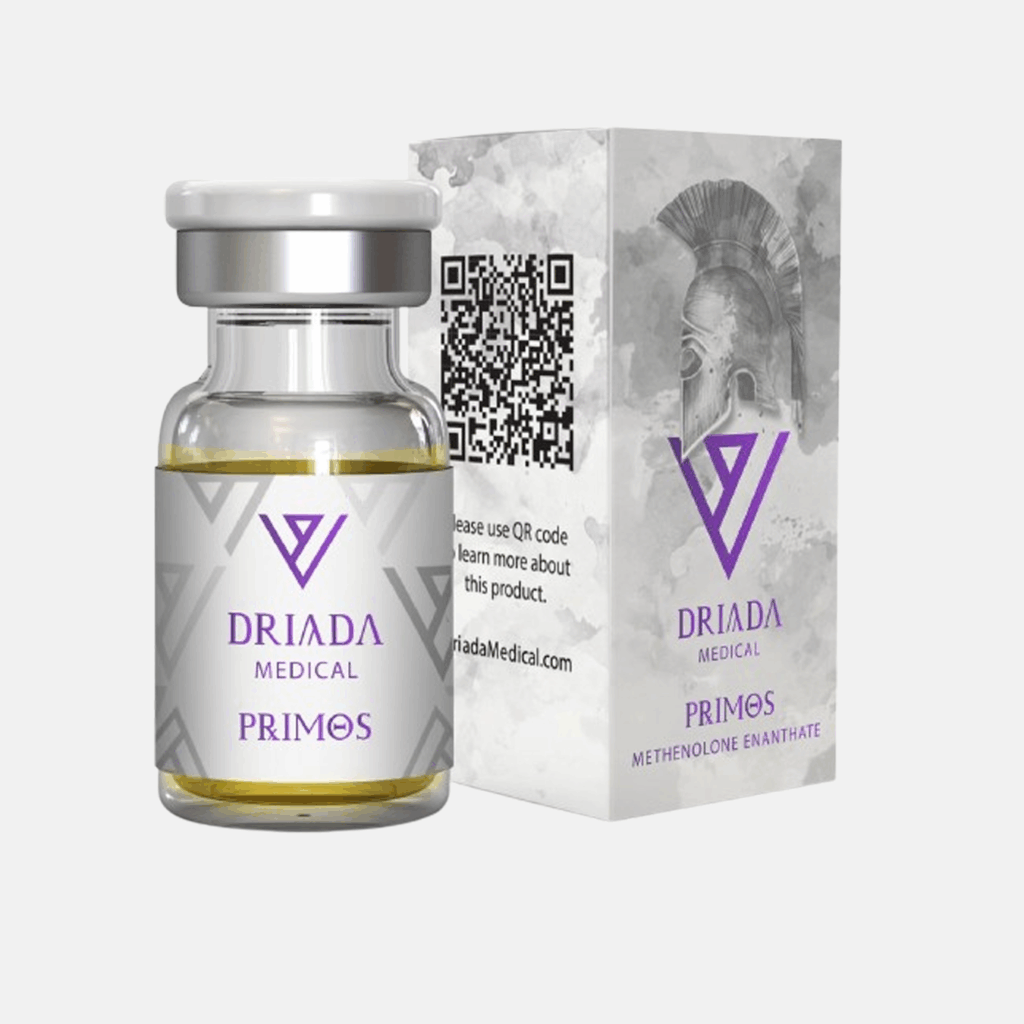
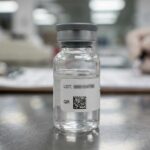
Primos 100 mg/ml (Metenolone Enanthate) 10 ml vial – Primobolan
Methenolone Enanthate - Primobolan
Active ingredient: Methenolone enanthate
Category: DHT-derived anabolic steroid
Administration form: Injectable
Carrier oil: Sesame oil and MCT
Chemical composition of Primobolan and Proviron
Primobolan and Proviron are anabolic steroids used in the fitness and athletic performance fields to increase muscle mass and improve physical performance. The Primobolan is a derivative of dihydrotestosterone, a male hormone, which differs from other anabolic steroids due to its lower androgenicity, resulting in fewer side effects associated with elevated testosterone levels. The injectable form of Primobolan is more potent and has greater bioavailability than the tablet form, but requires more frequent administration. Proviron, on the other hand, is known for its high potencyand its ability to increase testosterone levels, but this increase can cause unwanted side effects. Proviron is available only in tablet form and has moderate bioavailability. It is important to emphasize that both drugs must be used with caution and under the supervision of a healthcare professional to avoid any serious side effects.
How to use Primobolan
Primobolan Primobolan is usually administered intramuscularly in doses of 200–400 mg per week (the recommended daily dose typically ranges from 50 to 100 mg). The duration of a Primobolan cycle is 6–8 weeks, while for women, the recommended daily dose does not exceed 50 mg when taken for a maximum of 6 weeks. The use of Primobolan has minimal impact on the body’s endogenous production of testosterone. It is important to follow your doctor’s instructions and not exceed the recommended doses to avoid unwanted side effects.
How to use Proviron
Proviron is usually administered orally in doses of 25-100 mg per day. The duration of treatment can vary from 6 to 12 weeks. It is important to follow your doctor's instructions and not exceed the recommended doses to avoid unwanted side effects.
In both cases, it is important for the patient to monitor their testosterone levels and other hormone levels during treatment with Primobolan or Proviron to ensure that no unwanted side effects occur.
Remember that Proviron is also prescribed to treat various medical conditions. In the case of hypogonadism, i.e., a testosterone deficiency, the recommended dosage ranges from 75 to 100 mg per day for several weeks or months. For maintenance therapy, the dose can be reduced to 25-50 mg per day. In the case of oligospermia, i.e., a low sperm count, the recommended dosage is 50-75 mg per day for a period of approximately 90 days. If reduced gonadotropinuria is found, i.e., a reduced presence of hormones that stimulate testosterone production, it is recommended to start with a higher dosage and then gradually reduce it until the minimum effective dose is reached.
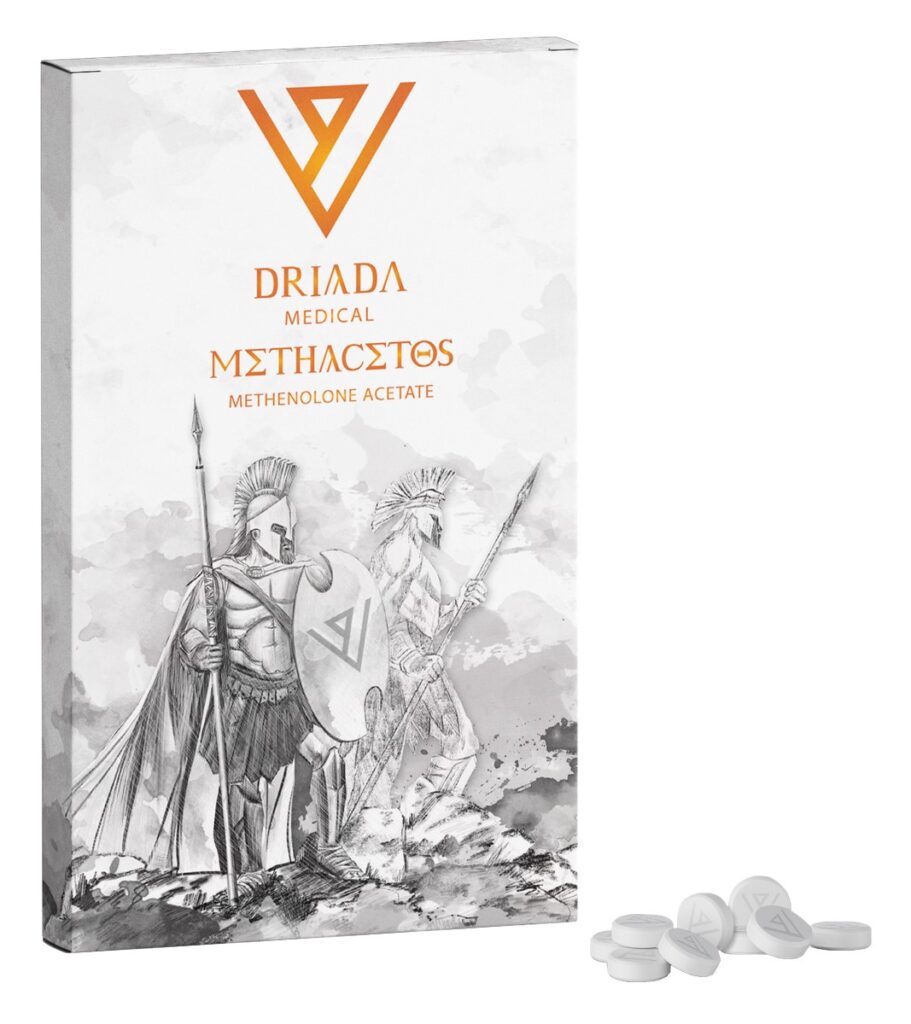
Methacetos 25 mg (Metenolone acetate) – Primobolan Acetate
Primobolan Acetate - Methenolone Acetate
Active ingredient: Metenolone acetate
Pharmacological class: anabolic-androgenic steroid (DHT derivative)
Pharmaceutical form: tablets for oral use
Package: 50 tablets
Primobolan: possible side effects to consider
Treatment with Primobolan can cause several side effects, including:
Acne:Increased testosterone levels can cause acne to form on the face, chest, and back.
Alopecia:Treatment with Primobolan can cause hair loss in both men and women.
Irritability and mood swings: Treatment with Primobolan may cause irritability, mood swings, and increased aggression.
Gynecomastia: Increased testosterone levels can cause enlargement of the mammary glands in men.
Changes in blood lipid levels:Treatment with Primobolan may cause changes in blood lipid levels, such as increased cholesterol and triglycerides.
It is important for patients to discuss the possible side effects of Primobolan treatment with their doctor.
Proviron: possible side effects to consider
Treatment with Proviron can cause several side effects, including:
Androgenic effects:Proviron is a very strong androgen and can cause side effects such as virilization in women and prostate enlargement in men.
Sexual side effects:Treatment with Proviron may cause erectile dysfunction, loss of libido, and a decrease in semen quality.
Alopecia:Treatment with Proviron may cause hair loss in both men and women.
Liver side effects:Proviron can cause liver damage and increase liver enzyme levels.
Changes in cholesterol levels:Treatment with Proviron may cause changes in blood cholesterol levels, either increasing or decreasing them.
Primobolan and Proviron: recommendations for optimal dosage
The optimal dosage of Primobolan depends on several factors, including age, weight, level of physical activity, and individual goals. In general, it is recommended to start with a low dose of Primobolan and gradually increase it under the supervision of a professional.
Here are some tips for optimal Primobolan dosage:
Follow your doctor's instructions:your doctor will be able to assess your health and determine the optimal dose of Primobolan based on your individual goals and needs.
Monitor hormone levels:It is important to regularly monitor hormone levels during treatment with Primobolan to ensure that the dose is optimal and that there are no unwanted side effects.
Adjust the dose based on the effects:it is important to adjust the dose of Primobolan based on the effects you are achieving and any adverse reactions. If you are achieving the desired effects, you can maintain the same dose. If side effects occur, you can reduce the dose or discontinue treatment.
Avoid overdose:Overdosing on Primobolan can cause unwanted side effects and potentially harm your health. It is important to avoid exceeding the maximum dose recommended by your healthcare professional.
Summary of the differences between Primobolan and Proviron
Primobolan and Proviron are both drugs used in medicine and fitness, but with significant differences in terms of active ingredients, methods of use, side effects, and recommendations for optimal dosage.
Primobolan is an anabolic steroid based on methenolone and is commonly used to increase muscle mass and improve athletic performance. Proviron, on the other hand, is a drug based on mesterolone and is used to treat male hypogonadism and improve sexual function.
In terms of how they are used, Primobolan is administered intramuscularly and Proviron orally. Both drugs have potential side effects, such as acne, gynecomastia, and liver damage, but it is important to follow your doctor's advice to minimize these risks.
Comparison table: Primobolan vs Proviron:

Final considerations: what to keep in mind when choosing between Primobolan and Proviron
In conclusion, the use of Primobolan and Proviron has specific effects and precise dosages that vary depending on the clinical condition for which they are prescribed. Taking Primobolan for aesthetic or competitive sports purposes is not legal in many states because it can interfere with endogenous testosterone synthesis. Proviron, on the other hand, is also used as hormone therapy for the development of secondary sexual characteristics, oligospermia, and reduced gonadotropinuria, with a dosage that varies depending on the treatment required.
In light of what has been explained in this article, it is time to make a careful and informed assessment of whether or not to use one of these two drugs, considering your personal goals and, above all, your clinical situation.
Latest blog posts:
- How to Recognize a Truly Tested Batch

- How to Evaluate Hormonal Support Products: Information Based on Safety, Awareness, and Medical Supervision

- Why Understanding What Happens After a Steroid Cycle Helps You Make More Informed Choices

- Bodybuilding and Hormones: Are Steroids the Same as Testosterone, or Are There Important Differences?

- Best Steroids for Lean Muscle Mass