The search for the best steroids for lean muscle mass almost always begins with a legitimate question, but also with a common misconception: “lean” primarily describes the appearance of the results, not the safety of the compound. Some anabolic steroids are associated with less water retention than others, but the most reliable official sources do not recognize any anabolic steroids as “safe.”
Summary
- When it comes to building lean muscle mass, there is no single steroid that is safe and universally considered the best: testosterone, methenolone/Primobolan, and oxandrolone are among the most commonly mentioned, but all are associated with liver, cardiovascular, hormonal, and psychological risks.
- Official sources, including the FDA, NIDA, and MedlinePlus, indicate that anabolic steroids can increase lean body mass when combined with weight training, but they also link them to serious health risks, including abnormal cholesterol levels, high blood pressure, heart problems, kidney damage, and sexual dysfunction.
- The perceived difference between compounds often depends on water retention, aromatization, gonadal suppression, and effects on the liver and lipids—not just on the brand name.
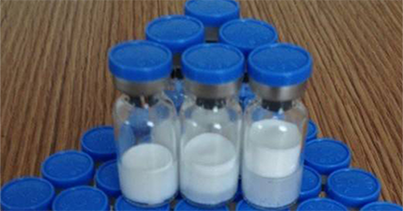
- If a product does not have a traceable lot number, independent testing, and verifiable origin, the actual risk may differ from what is stated on the label; the FDA warns that some bodybuilding products contain undeclared steroids or similar substances.
- If your goal is a leaner physique, the following factors are just as important as the supplement itself: a moderate caloric surplus, sodium intake, blood pressure, complete blood count, AST/ALT, creatinine, and lipid profile.
For those seeking a serious assessment, the useful question isn’t “Which one is the strongest?”, but “What profile of effects, controllability, and verifiability am I really evaluating?” Below you’ll find the most frequently cited compounds, the real trade-offs, and the criteria that help distinguish a verifiable product from one that promises a lot but provides little evidence.




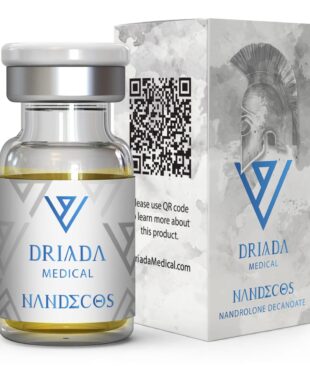

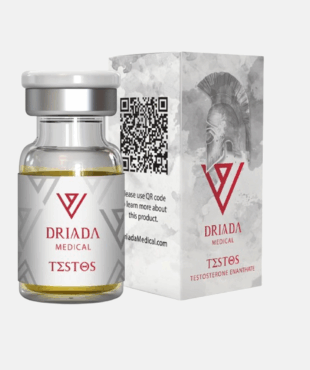

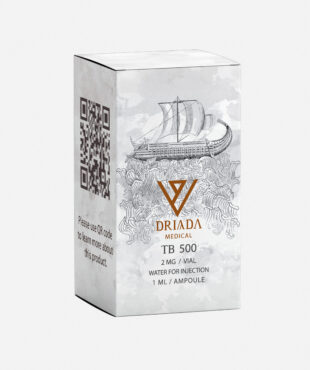

What does “lean mass” really mean when it comes to anabolic steroids?
Lean mass refers primarily to lean body mass with low body fat and controlled water retention. Testosterone and methenolone can produce different appearances, but the term describes the aesthetic result, not the safety profile.
In practice, those who talk about “lean mass” are looking for three things: an increase in muscle tissue, a limited increase in body fat, and a less “watery” appearance. This explains why some compounds are perceived as more suitable than others, even when actual muscle gain does not depend solely on the drug.
There’s also a common mistake: confusing “dry” with “light.” A drier flavor profile may result from less flavoring or less extracellular water, but that doesn’t mean it has a low impact on cholesterol, blood pressure, fertility, or liver function.
Are there any safe steroids for building lean muscle mass?
No: The FDA and MedlinePlus do not support the idea that anabolic steroids are safe for building lean muscle mass. NIDA acknowledges that lean muscle mass can be increased through exercise, but these same sources report serious health risks.
The key point is this: official data distinguishes between anabolic efficacy and safety. According to NIDA, anabolic steroids can increase lean body mass when combined with weight training. According to MedlinePlus and the FDA, abuse or non-medical use is linked to high blood pressure, changes in cholesterol levels, heart problems, liver damage, kidney damage, mood changes, sexual dysfunction, infertility, and testicular atrophy.
“Farmacia Italiana Genova combines in-house batch testing with independent analysis, because the label alone isn’t enough.”
So the more precise question isn’t “Which steroid is safe?”, but “Which compound is perceived as more manageable in a scenario that remains risky nonetheless?” Even the term “clean mass” can be misleading: a visually clean result does not equate to a biologically clean state.
Which compounds are most often mentioned when discussing steroids for lean muscle mass?
The most frequently mentioned names are testosterone, Primobolan, oxandrolone, boldenone, and, less commonly, nandrolone. This ranking reflects market sentiment, not a clinical recommendation.
When looking for the best steroids for lean muscle mass, these are the compounds that come up most often in technical discussions and industry benchmarks:
- Testosterone enanthate or cypionate: This is the most commonly used benchmark, because there is more historical data available and the anabolic response is predictable, but water retention may increase if estrogen levels rise.
- Methenolone enanthate, known as Primobolan: It is associated with a leaner physique, but it is still an anabolic-androgenic steroid, is often expensive, and is highly susceptible to counterfeiting.
- Oxandrolone: This oral compound is often associated with “quality” gains, but it should not be mistaken for a harmless compound, given its potential impact on lipids and the liver.
- Boldenone undecylenate: Some associate it with gradual gains and increased appetite, but the issues of hematocrit and blood viscosity warrant attention.
- Nandrolone: It can support performance and perceived recovery, but when it comes to building lean mass, it is not usually the first choice for those concerned about water retention and specific endocrine effects.
This list helps you get a sense of the most talked-about names, but it is no substitute for checking the quality of the batch, which often matters more than the name on the label.
Testosterone Enanthate or Primobolan: Which Comparison Makes Sense for Lean Mass?
The most useful comparison is this: testosterone enanthate is more predictable as an anabolic base, while Primobolan is more often chosen for a visually lean look. Neither of them, however, eliminates the risks entirely.
Testosterone remains the benchmark against which almost all other compounds are compared. It has a more extensive body of indirect research, a clear anabolic effect, and a response that many consider easier to interpret. The trade-off lies in estrogenic conversion: if an individual’s sensitivity is high, the result may appear less “clean” due to water retention and bloating.
Methenolone, on the other hand, is often preferred by those who want to minimize that visual aspect. This gives rise to a widespread misconception: seeing less water retention does not mean low systemic stress. Gonadal suppression, the actual quality of the product, and cost-effectiveness remain key issues.
If the main criterion is a lean physique, Primobolan is often part of the discussion. If the criterion is a predictable response, testosterone remains the benchmark. If the criterion is safety, neither of them solves the problem.
Oral or Injectable Steroids: Which Differences Really Matter for Lean Mass?
The most significant difference is this: oral steroids like oxandrolone tend to put more strain on the liver and blood lipids, while injectable steroids like testosterone enanthate bypass first-pass metabolism in the liver but are not harmless for that reason.
Many beginners mistake “oral” for “easier” and therefore “less demanding.” In reality, convenience does not equate to tolerability. Oral supplements are often easier to take, but the physiological cost can be less favorable, especially in terms of lipid profile. This is a point that is often underestimated.
Injectables, for their part, can provide more stable release profiles, but they raise other issues: sterility, actual concentration, solvents, and lot traceability. If the goal is “clean mass,” the choice should not be based solely on the dosage form, but on the balance between product verifiability and the expected impact on clinical markers.
How do you evaluate a product for lean mass, step by step?
A proper evaluation begins with the objective, the compound's profile, and the quality of the batch. Testosterone and oxandrolone may seem similar in marketing, but the key criteria are different.
Before looking at the brand name, it’s worth defining what we mean by a “clean” result. Some people want to minimize subcutaneous water retention, others are concerned about a worsening lipid profile, and still others prioritize fertility or blood pressure. Without this hierarchy, every choice becomes nothing more than an imitation of others’ experiences.
Here's a simple and useful method:
- Physical goal: Distinguish between increasing lean body mass, reducing body fat, and achieving a lean physique; these are three related but not identical goals.
- Compound profile: evaluate aromatization, gonadal suppression, hepatic effects, and duration of action.
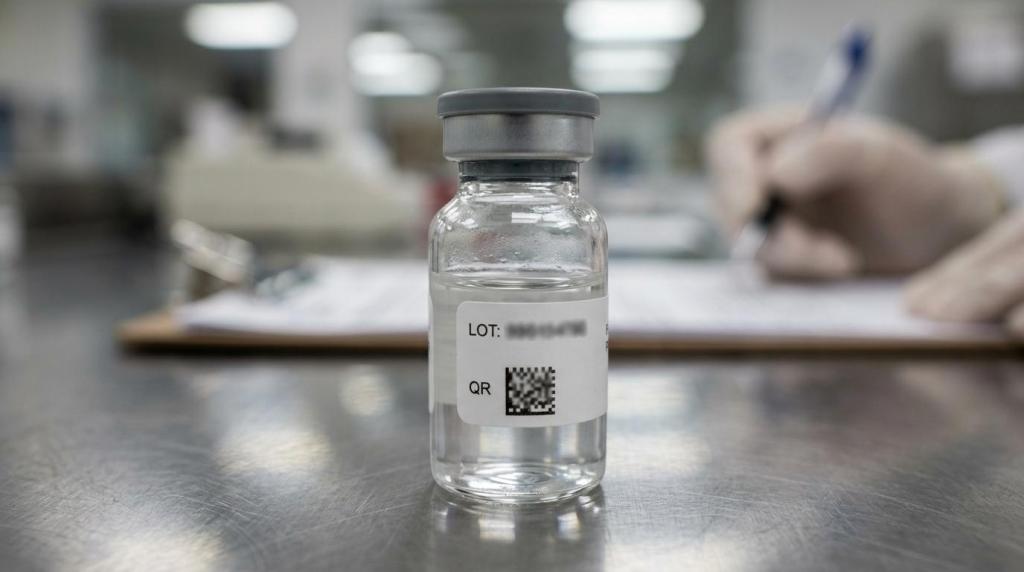
- Verifiable quality: batch number, declared concentration, origin, internal tests, and independent analyses.
- Acceptable risk: If a single personal marker is already critical, the compound that seems “right” on paper might not be right for you.
Here's a pro tip that's often overlooked: if two products promise the same result, the one with the best supporting evidence almost always wins out, not the one with the most aggressive claim.
“Since 2026, Farmacia Italiana Genova has been working in partnership with Driada Medical for production and logistics, while continuing to handle orders, payments, and pricing in-house.”
In other words, when it comes to pure mass, it’s not just the name of the compound that makes the difference. It’s the combination of a predictable effect, demonstrable quality, and a risk that you can measure—not just imagine.
How can you read lot numbers, labels, and origin information without being misled?
The rule of thumb is clear: a batch without verifiable documentation is worth less than a well-known brand with tangible proof. COAs and traceability matter more than packaging.
Many bodybuilding products look good, but provide little information. Here, the message from official sources is clear: the FDA has warned that some products may contain undeclared steroids or similar substances. This means that the risks aren’t always what the bottle promises.
To do a quick check, take a look at these points:
- Batch identity: the batch number, date, concentration, and form of the active ingredient must be consistent.
- Independent analysis: An external report carries more weight than a simple internal product sheet.
- Consistency in labeling: the label, description, solvents, and stated dosage must all match.
- Actual source: If production, logistics, and order management are opaque, the risk of inconsistencies increases.
If one of these elements is missing, it doesn't automatically mean the product is counterfeit, but it does mean you're buying with less transparency. And in the anabolic steroid industry, less transparency is almost never an advantage.
How can clinical risks be reduced before making any decisions regarding lean body mass?
The correct answer is simple: clinical markers come first, then the compound. Blood pressure and complete blood count often tell us more than marketing does.
This isn't moralizing; it's risk management. Official sources link anabolic steroids to cardiovascular, liver, and kidney damage, as well as mood changes. MedlinePlus also cites low sperm count, infertility, and breast growth in men. If there is already an underlying vulnerability, the risk threshold is lowered.
A conservative approach, to be discussed with a doctor, usually includes:
- Cardiovascular: blood pressure, heart rate, lipid profile, family history.
- Hematology: complete blood count and hematocrit, useful if an increase in blood viscosity is suspected.
- Hepatic and renal function: AST, ALT, creatinine, eGFR, and, when indicated, other markers of function.
- Hormones and Fertility: Total and Free Testosterone, LH, FSH, Estradiol, Prolactin, Personal Reproductive Plan.
Another common misconception is the idea that monitoring is only useful “after the fact.” If a value is already out of range beforehand, the discussion about the compound changes entirely.
Why does lean body mass depend more on diet and extracellular water than on the name of the compound?
Because the final visual effect results from the combination of a caloric surplus, glycogen, and water retention—not just from testosterone and Primobolan. The compound plays a role, but it isn’t the sole determining factor.
Those who increase their calorie intake too quickly—especially with highly variable sodium and carbohydrate levels—may appear “softer” even when using compounds known for producing a lean look. Conversely, careful management of caloric surplus, sleep, and training volume can make even a result achieved with a compound considered less “glamorous” in forum lingo look cleaner.
If the goal is a gradual and noticeable increase, then the focus should be on the growth rate, not on a fancy name. If weight increases rapidly but visual quality deteriorates, the problem often lies in the nutritional context, not just the molecule itself.
This is where the psychological aspect comes into play. NIDA refers to muscle dysmorphia—that is, a preoccupation with the perception that one’s muscles are not large enough. When this perspective dominates, people tend to change their routine too soon instead of correcting the fundamentals.
When Do Mislabeled Bodybuilding Products Become the Main Risk?
They become the main risk when the supply chain is weak. The FDA warns that some bodybuilding products may contain undeclared steroids or similar substances, with risks ranging from heart attack and stroke to pulmonary embolism and deep vein thrombosis.
This point shifts the discussion to a more practical level. It’s not enough to ask which steroid is “best” for lean muscle mass. You have to ask whether the product actually contains what it claims to contain, in the stated concentration and without contaminants or unexpected substances.
A good resource to read is the FDA’s official advisory on risky bodybuilding products. It’s useful because it reminds us that the danger stems not only from the drug class but also from misleading labeling.
If you come across very bold claims but no batch numbers, no test results, and no explanation of the compound's origin, the practical risk may be higher than the theoretical risk of the compound itself.
What are the telltale signs that distinguish a reputable operator from an unprofessional one in Italy and Europe?
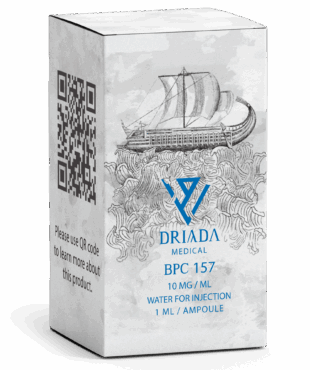
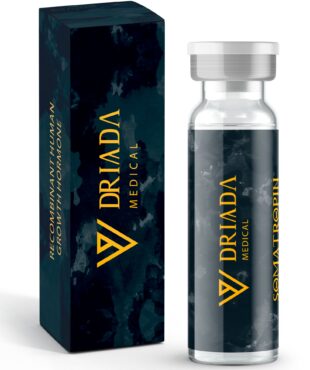
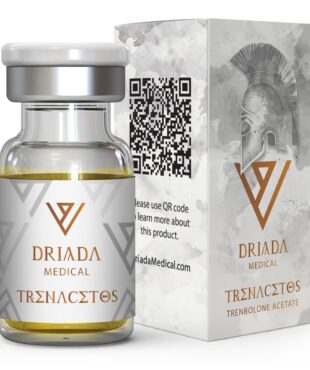
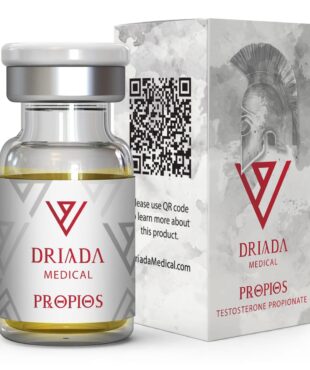
The key indicators are traceability, batch testing, and transparent logistics. Farmacia Italiana Genova and Driada Medical are useful examples for readers who want to understand what evidence to look for—not just what promises to believe.
In the European market, a more reputable seller tends to document their quality control processes, clarify who manages production and logistics, explain how orders and payments are handled, and offer trackable shipping. This isn’t an absolute guarantee of risk-free shopping, but it’s a significant step up from those who just sell a story.
“Farmacia Italiana Genova offers trackable and discreet shipping throughout Italy and Europe.”
Here’s the key takeaway: when it comes to the best steroids for building lean muscle mass, the truly useful question isn’t just “which compound should I choose?”, but “which product is verifiable, with what documentation, and within what personal clinical profile?”. When the answers to these three questions are weak, the name on the label matters far less than it seems.