When it comes to the authenticity of a medication or a performance-enhancing product, many people focus solely on the lot number printed on the packaging. This is a common mistake. A legitimate lot number does not automatically mean that the product has actually been tested.
The key point is this: the batch number is just one piece of the puzzle. To ensure trust, there must be consistency between the packaging, the label, the test reports, the distribution channel, and the actual ability to verify the information. Without this chain of evidence, even a seemingly correct number may not be enough.

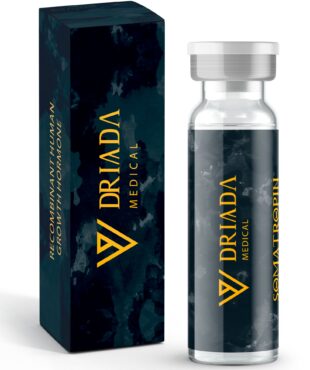
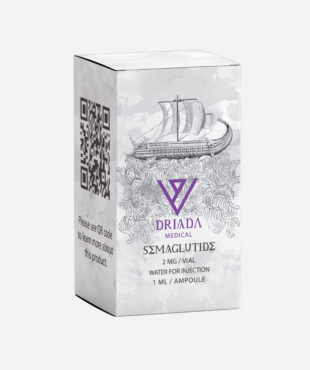
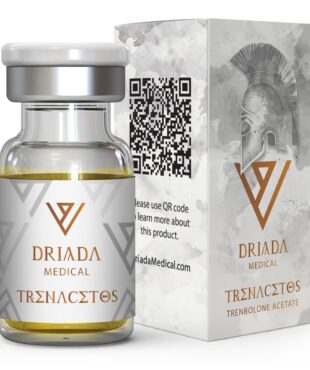
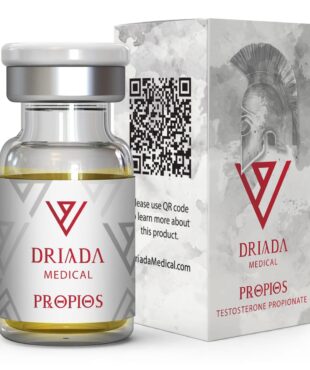
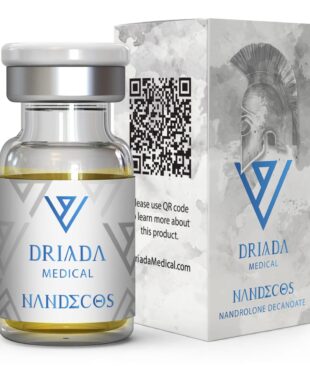

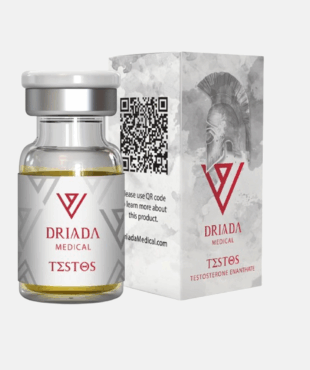

Why the lottery number alone isn't enough
A genuine batch should have a unique identifier, a consistent expiration date, and documented traceability. However, counterfeiters are well aware of this. In some cases reported by health authorities, genuine batch numbers have been reused on counterfeit products.
A very instructive example comes from the FDA’s warnings about counterfeit medicines: a counterfeit product may bear a genuine batch number and still be counterfeit. This radically changes the way we need to verify a package. The batch number, on its own, does not certify either the origin or the contents.
There is also a second issue. Even when a seller posts a certificate or a photo of the label, there is no guarantee that the document refers specifically to the item you received. If there is no clear link between the lot number on the package and the test report, the verification remains incomplete.
In other words, the lottery is the starting point, not the finish line.
What are the signs of a truly tested batch?
A reliable batch demonstrates technical consistency across multiple levels. The packaging must have legible codes and dates. The label must be uniform from one unit to the next. The certificate of analysis, if included, must contain precise details. And the seller must be able to explain where the product comes from and how it was inspected.
When the assessment is thorough, these elements fit together. If even one of them doesn't fit, it's worth pausing to consider it.
| Element | What to Check | Why It Matters |
|---|---|---|
| Lot Number | It must be legible and consistent on both the primary and secondary packaging. | Reduces the risk of makeshift repackaging |
| Deadline | Uniform format, clean printing, consistency within the batch | Discrepancies are a common warning sign |
| Certificate of Analysis | Reference to a specific batch, date, laboratory, or independent verification | Distinguishes a real test from a generic file |
| Packaging | Materials, fonts, seals, colors, text layout | Counterfeits often reveal visual flaws |
| Supply Chain | Source, distributor, authorized channel | Authenticity doesn't depend solely on the packaging |
| Digital Verification | 2D code, unique identifier, control systems where applicable | It adds a tangible level of traceability |
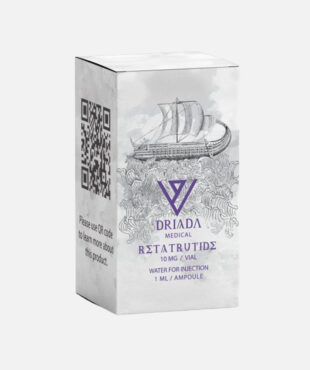
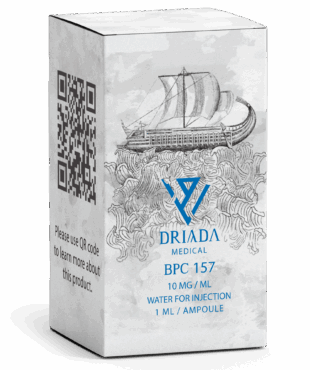
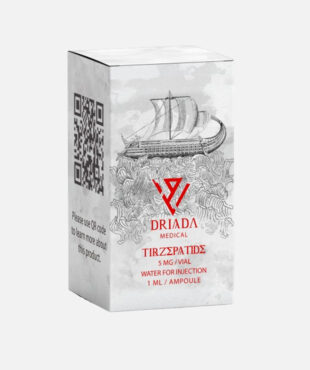
One detail that is often overlooked is whether the outer packaging matches the contents inside. If the box, blister pack, vial, or bottle features different graphic styles, caution is advised. The same applies to products from the same batch that show slight differences in printing, color, or alignment.
Packaging inspection: label, seals, and unique code
In the European Union, for most prescription drugs, the packaging must include two safety features: a unique 2D barcode identifier and a tamper-evident device. This is an important safeguard against counterfeiting, but it must be interpreted correctly.
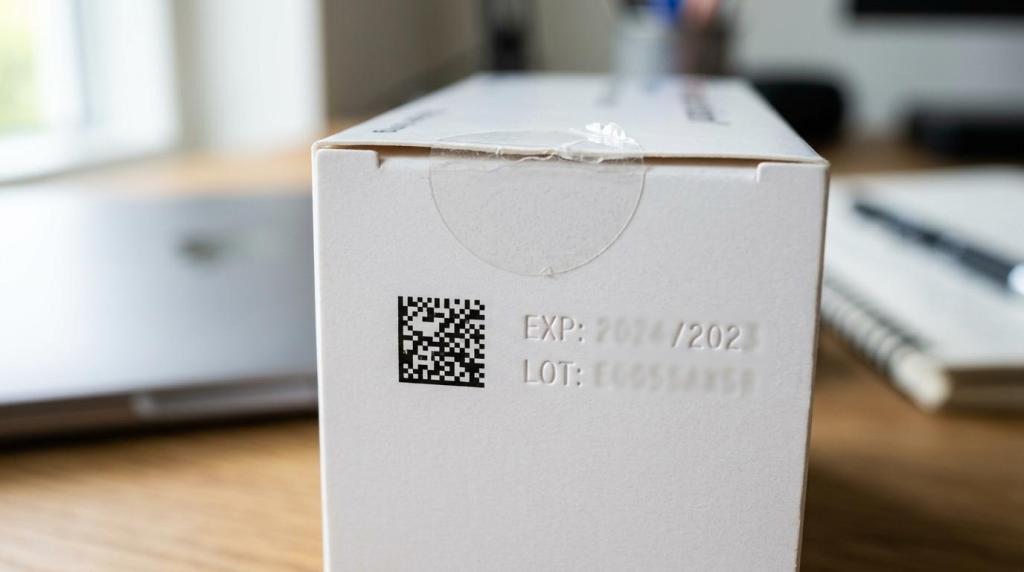
The presence of the code is not enough if the product comes from an opaque supply chain or if the packaging shows inconsistencies. A seal that appears intact but has been reapplied poorly offers no guarantee. A barcode that is printed outside of standard specifications or with inconsistent quality warrants attention. And “EXP/LOT” text positioned differently from that on known packages can be a concrete clue, as shown by some cases reported by the authorities.
Visual inspection therefore remains useful, especially when it is systematic.
After examining the package as a whole, it’s a good idea to check the following points:
- Print quality: sharp, uniform, with no smudges or misaligned characters
- Seal: intact, consistent with the type of packaging, with no signs of having been opened
- Label: clean adhesion, smooth edges, no suspicious bubbles
- EXP/LOT: Position and format consistent with the other graphic elements
- 2D code: legible, not pixelated, not applied to a damaged surface
Even minor spelling errors or awkward translations can make a difference. Counterfeit products often do a good job of imitating the overall look, but they get the small details wrong.
Batch Analysis Certificate: How to Read It Beyond the Cover Page
Many buyers look for a COA—that is, a certificate of analysis—and they’re right to do so. But even here, a systematic approach is needed. A PDF is not proof in and of itself. What matters is the quality of the document review.
A useful certificate should be directly linked to the purchased batch. The batch number must match. The date must be plausible. The document should indicate who performed the test, when it was performed, and which sample was analyzed. If the document is generic, lacks any reference to the batch, or is identical for different batches, its value decreases significantly.
In some areas of the international pharmaceutical trade, there are also verifiable electronic certificates, with compliant electronic signatures and verification based on the certificate number and request number. This does not mean that every product must follow this format, but it clarifies a crucial principle: a document is reliable when it can be verified, not just presented.
When evaluating a certificate, it’s worth asking yourself:
- Does the lot number on the document match the one on the package?
- Does the document indicate a credible date of analysis?
- Is it clear who took the test?
- Does the certificate appear to refer to an actual sample or a reused model?
- Is there an independent audit in addition to the internal audit?
An “internally tested” batch can be a positive sign, but confidence increases significantly when there is also independent verification. Together, these two factors provide more solid evidence.
Authorized supply chain and distributor: the verification that distinguishes the authentic product from one that is merely “convincing”
The least visible part is often the most important. European authorities have been insisting for years on the need to document the supply chain for every batch, all the way back to the manufacturer and, further upstream, to the origin of the ingredients. For buyers, this translates into a simple rule: it’s not enough for a product to seem right—it must have a credible history.
If the seller does not clarify who distributes the products, how they manage inventory, what checks they perform, and what traceability they offer, the verification process remains weak. The same applies to websites that do not display company information, provide actual customer support, have clear payment procedures, or offer trackable shipping. Good packaging can mask a poor supply chain.
For medicines sold online in the EU, the presence of the common European logo for authorized online pharmacies is a useful indicator. It doesn’t solve everything, but it helps distinguish regulated channels from unregulated ones. The FDA also recommends purchasing from authorized pharmacies to reduce the risk of counterfeit products. Their guidance on counterfeit medicines is a useful read: FDA, Counterfeit Medicine.
This is where a fundamental difference comes into play: a reputable seller doesn't avoid questions about traceability—they welcome them.
Signs of counterfeiting that require immediate action
There are situations in which there is no need to “wait for further evidence.” If certain signs appear together, the correct course of action is to suspend use and gather documentation.
The clearest warning signs are these:
- Valid lot number on visibly different packages
- faded or uneven print
- broken or reapplied seal
- improperly cut blister pack
- color differences between units of the same product
- unexpected or unusual effects after use
Other signals warrant even more technical attention:
- Price: too low compared to the market, with no credible explanation
- Documents: Certificates sent only as compressed images, without verifiable references
- Sales channel: anonymous website, evasive customer service, no proof of authorization
- Packaging: Different fonts on the box, label, and package insert
- Traceability: missing receipts, no lot number on the invoice, or unclear information regarding the origin
If you suspect a counterfeit item, it's a good idea to save photos of the product, screenshots of the website, receipts, and messages from the seller. These are exactly the materials the authorities ask for when you file a report.
Practical Procedure for Inspecting a Lot Before Purchase and After Delivery
A thorough inspection does not require laboratory equipment. It requires organization. First, you assess the distribution channel; then the batch; then the packaging; then the documentation. Only at the very end do you decide whether the product is trustworthy.
This five-step process helps reduce avoidable errors:
- Check the seller: clear information, genuine customer support, easy-to-understand policies, and shipment tracking.
- Verify the declared batch: ask if there is a specific reference to the batch and if there are any associated documents.
- Inspect the packaging and seals: check the label, expiration date, EXP/LOT location, and print quality.
- Check the certificate: make sure the batch number matches and that the document doesn't look generic.
- Document any anomalies: clear photos, screenshots, receipts, and comparisons between units from the same batch.
Such a procedure does not eliminate all risk, but it significantly improves the level of protection. Above all, it helps avoid the most common pitfall: relying on a single favorable clue while ignoring everything else.
What to Ask When a Lot Is Declared “Tested”
The word “tested” has value only if it is accompanied by verifiable details. Otherwise, it remains a marketing label, not proof.
When a supplier states that a batch has been tested, the relevant questions are simple and straightforward. What is the batch number? Is there a certificate for that batch? Was the testing conducted internally, by an independent party, or both? Does the packaging contain information that matches the document? Is the origin clear? Is the shipment traceable?
A reliable partner tends to provide precise answers, not vague generalities. This is very important, because the quality of a batch is not measured solely by its theoretical content. It is measured by the ability to demonstrate, step by step, that the product is authentic, traceable, and linked to a real supply chain.
And this is exactly where you can see the difference between a lottery ticket “with a printed number” and one that’s truly trustworthy.