When it comes to performance-enhancing drugs, hormone therapy, or anabolic compounds, the question is not only what to use, but also how it is administered. Vials, pens, and tablets can contain very different active ingredients, with equally diverse pharmacokinetic profiles. The dosage form affects absorption, dose accuracy, convenience, tolerability, and risk management.
This choice, therefore, is not merely cosmetic. It changes the user experience, it changes the strain on certain organs, it changes the likelihood of errors, and it even changes the consistency with which a person is able to follow a well-designed regimen.


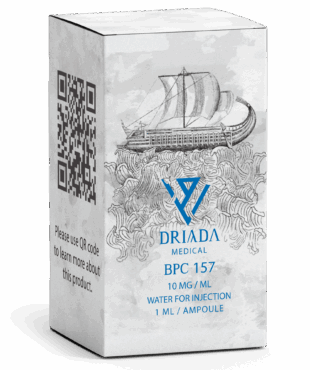
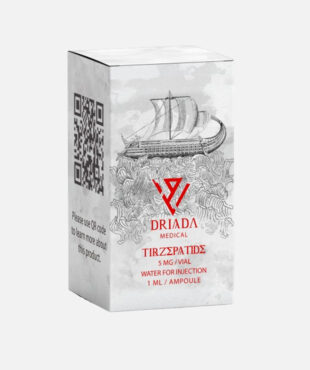
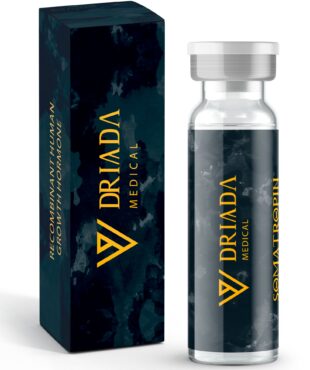

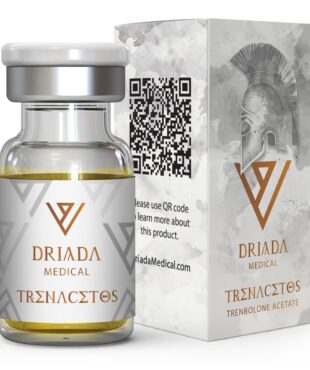
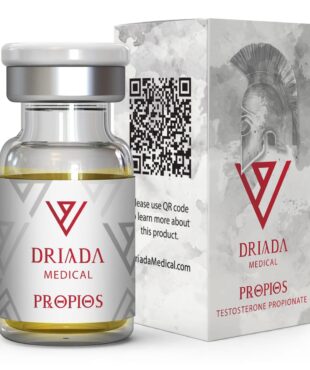
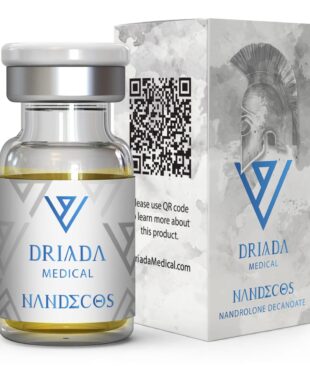

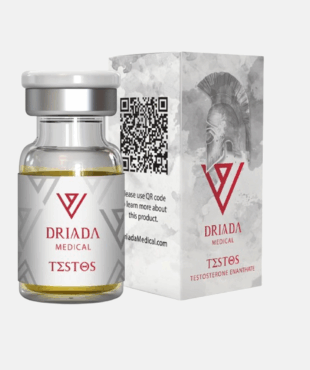

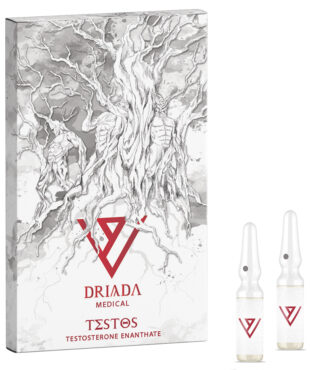
Why the dosage form really does make a difference
A tablet passes through the gastrointestinal tract and undergoes first-pass metabolism in the liver. An intramuscular injection delivers the drug into the muscle and releases it at a rate that depends on the vehicle, ester, and volume. An injection pen, in most cases, is designed for precision and convenience, often involving subcutaneous administration and repeatable doses.
This means that two products with similar objectives can result in very different day-to-day management.
When weighing the pros and cons, the points that really matter are these:
- Absorption and release rate
- frequency of administration
- hepatic impact
- risk of dosing error
- practical comfort
- infectious or local risk
Injectable Vials: Benefits, Limitations, and Specific Risks
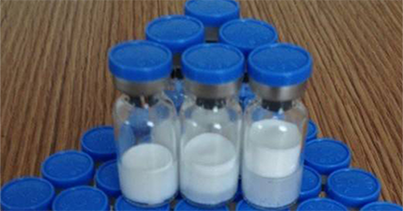
Vials remain the classic form of many injectable anabolic steroids. They are typically intramuscular oil-based solutions, although aqueous formulations exist for other compounds. Their main advantage is clear: they bypass the first-pass metabolism typical of tablets and, in many cases, allow for a more stable release over time.
For those who think in terms of plasma levels, this is a tangible benefit. A long-acting ester can reduce the number of doses and make the peaks less abrupt. From a practical standpoint, this often means fewer doses compared to an oral medication with a short half-life.
The downside is just as obvious. Injection requires technique, hygiene, the right equipment, and the ability to manage the injection site. A simple mistake—from the choice of needle to insufficient disinfection—can turn a simple routine into a serious local problem.
This is where much of the difference between theoretical convenience and actual management comes into play.
- Strengths: lower hepatic exposure compared to many oral formulations, often more consistent release, and sometimes reduced frequency of use
- Disadvantages: pain, local inflammation, risk of infection, need to know how to administer the injection correctly
- Technical aspect: oil viscosity, concentration per ml, and injected volume have a significant impact on tolerability
- Health considerations: Sterile supplies, site rotation, and proper storage are not minor details
It is important to note a point that is often overlooked: “less stress on the liver” does not mean “no systemic risk.” Abnormalities in lipid profiles, gonadal suppression, acne, mood swings, and higher blood pressure can also occur with injectable formulations.
Another systemic symptom frequently reported is night sweats: a review by Bedfan on steroid-induced night sweats describes the role of adrenergic activation and suggests practical management strategies.
This is where much of the difference between theoretical convenience and actual management comes into play.
- Strengths: lower hepatic exposure compared to many oral formulations, often more consistent release, and sometimes reduced frequency of use
- Disadvantages: pain, local inflammation, risk of infection, need to know how to administer the injection correctly
- Technical aspect: oil viscosity, concentration per ml, and injected volume have a significant impact on tolerability
- Health considerations: Sterile supplies, site rotation, and proper storage are not minor details
It is important to note a point that is often overlooked: “less stress on the liver” does not mean “no systemic risk.” Abnormalities in lipid profiles, gonadal suppression, acne, mood swings, and higher blood pressure can also occur with injectable formulations.
Injectable Pens: When They Make Sense and When They Don't
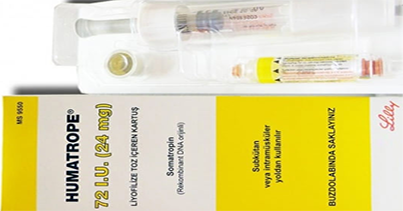
Pens are perceived as the most modern solution, and in many cases this is true. They offer repeatable dosing, quick preparation, and an easier learning curve compared to the traditional vial with a separate syringe. In the performance sector, they are most commonly used for growth hormone, peptides, GLP-1, and other subcutaneous products. They are much less common, however, for traditional intramuscular oil-based anabolic steroids.
This point needs to be made clear: a pen does not automatically mean a direct alternative to a vial. It often refers to a different type of molecule, a different route of administration, and a different approach to use.
In practical terms, the pen reduces several everyday hassles. Dosing tends to be neater, preparation is faster, and transport is easier. For those who need to maintain consistency, the difference is noticeable. A simple routine promotes adherence and reduces errors.
However, there is a common limitation: flexibility is not infinite. Some pens operate in preset increments determined by the device. If fine-tuning beyond those increments is needed, the multidose vial may offer greater flexibility. The cost of the device, the cartridges, and compatibility between components also factor into the decision.
Another important aspect concerns the perception of risk. The pen appears “lighter,” almost like a medical device, and reassuring. But the substance remains the same: a powerful active ingredient remains powerful even when dispensed with a click.
Oral tablets: high convenience, caution regarding the liver
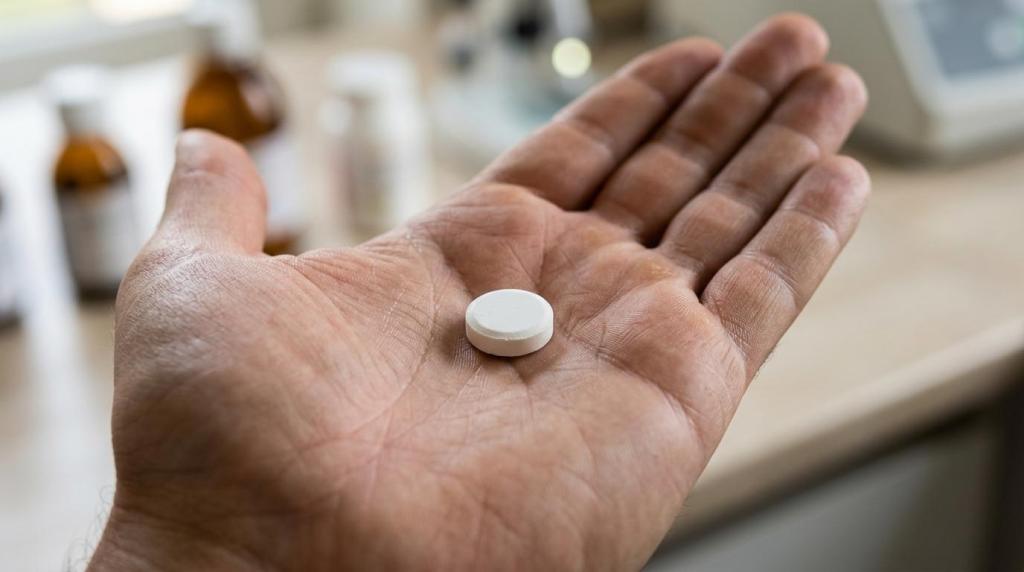
Pills are the most intuitive route of administration. No syringe, no needle, no injection technique. This explains why many people start here, especially when they’re looking for ease of use and discretion.
This advantage, however, comes at a physiological cost. Oral formulations pass through the liver, and in the case of many anabolic steroids, this characteristic is particularly significant. Medical sources link the use and misuse of these products to liver damage, elevated cholesterol levels, mood changes, and suppression of gonadal function. Regulatory literature also notes that, in cases of abuse, doses can reach levels 10 to 100 times higher than therapeutic doses.
Tablets also tend to require a different approach. They often have shorter half-lives, so sticking to the dosing schedule is very important. Skipping doses, taking all doses at once, or changing the frequency without a clear plan leads to avoidable fluctuations.
The reasons why they remain popular are easy to understand:
- simple hiring
- no injection materials
- convenient transportation
- greater discretion
- often easier to use for short periods of time
Convenience, however, should not be confused with biological carelessness. An oral medication well known for providing a quick “boost” may also be more likely to show adverse changes in transaminases, HDL, LDL, or blood pressure.
Comparison Table of Vials, Pens, and Tablets
Before choosing a formulation, it is a good idea to directly compare the key points.
| Appearance | Vials | Pens | Tablets |
|---|---|---|---|
| Route of administration | Intramuscular, sometimes subcutaneous, depending on the product | Usually subcutaneous | Oral |
| Hepatic metabolism | Shorter than the oral exams | Shorter than the oral exams | Present |
| Dose Accuracy | That depends on the technique and tools used. | Very high, often preset | High on paper, but it depends on the schedule and participation |
| Frequency of use | Variable, often moderate with long-chain esters | Often daily or at regular intervals | Often daily, sometimes several times a day |
| Specific Risks | Infection, pain, injection errors | Configuration errors, device cost, a false sense of simplicity | Liver load, fluctuations due to short half-life |
| Practicality | Media | High | Very high |
| Flexibility | High, with customizable doses | On average, it depends on the pen strokes | Average, based on the tablet dosage |
Systemic Risks of Anabolic Steroids in All Forms
The discussion about the dosage form should not cause us to lose sight of the bigger picture. Many risks do not depend on whether the product is in a vial or a tablet, but rather on the active ingredient, the dose, the duration of use, individual susceptibility, and the actual quality of the product.
Official sources describe a risk profile that includes the liver, lipids, the endocrine system, the skin, and mental health. A useful and easy-to-read resource is the MedlinePlus page on anabolic steroids, which summarizes routes of administration, medical uses, and problems associated with misuse.
The most commonly observed systemic effects include:
- Lipid profile: decreased HDL and worsening of the ratio between cholesterol fractions
- Hormonal axis: gonadal suppression, decreased endogenous testosterone production, impaired fertility
- Nervous system and mood: irritability, impulsivity, mood swings, and sometimes insomnia
- Skin and related issues: acne, oilier skin, accelerated hair loss in predisposed individuals
Added to these is the issue of non-compliant products. If a formulation is underdosed, overdosed, or contaminated, the difference between a vial and a tablet becomes secondary. Batch quality and true traceability matter almost as much as the chosen molecule.
Clinical Monitoring and Quality Control
Anyone undergoing hormone therapy or considering the use of performance-enhancing substances in sports should think in terms of monitoring, not impressions. Feeling good at the gym or in front of the mirror is no substitute for medical tests.
A serious approach requires regular checks:
- Liver: AST, ALT, GGT, bilirubin; pay particular attention when hepatotoxic oral medications are involved
- Lipids and Cardiovascular Health: HDL, LDL, triglycerides, blood pressure, hematocrit
- Hormone panel: total and free testosterone, LH, FSH, estradiol, and prolactin if indicated
- Product quality: lot number, verifiable concentration, shelf life, package integrity
Practical Criteria for Evaluating the Right Formulation
The “strongest” formulation is not always the most appropriate. Nor is the most convenient one. A sensible decision stems from a balance between the treatment goal, risk profile, personal experience, tolerance for the dosing frequency, and willingness to monitor clinical parameters.
A person who cannot tolerate needles but has trouble remembering to take multiple doses each day may find themselves in a practical dilemma. Someone who is meticulous about hygiene and has a consistent routine can manage an injectable formulation well. Those who already have elevated liver enzymes should exercise great caution when considering any product that increases the burden on the liver.
There are also criteria that are often overlooked, but are very concrete:
- True adherence: the best approach is the one you can follow correctly without improvising
- Technical experience: vials and needles require manual dexterity; pens require familiarity with the device
- Pharmacological Objective: Some active ingredients are effective almost exclusively in a certain form
- Clinical profile: Liver function, lipid profile, hematocrit, and endocrine status should be evaluated before considering personal preference
One point deserves special mention. In everyday language, “pen” is often used as a synonym for a safer solution. This is not accurate. It is a solution that is easier to use in many situations, but safety depends on the dose, the substance, the quality, sterility, and clinical supervision.
Common Mistakes When Comparing Vials, Pens, and Tablets
The most common mistake is to focus solely on convenience. In reality, the route of administration is just one link in a longer chain: choice of active ingredient, concentration, half-life, laboratory monitoring, management of side effects, and adherence to the protocol.
A second mistake is to believe that the oral form is “milder” simply because it does not require needles. Biologically, the opposite may be true, at least for the liver and lipid profile. A third mistake is to think that the injectable form is automatically superior in every way. It reduces one problem but creates others related to the technique and the injection site.
Then there is the question of timing. Some oral exams are chosen because they “stand out” earlier. This may be true from a perceptual standpoint, but it is not a sufficient criterion for determining a valid choice.
When discussing the differences between vials, pens, and tablets, this is the most helpful resource:
The dosage form alone does not determine the outcomes, but it does play a significant role in the risk, precision, and practical feasibility of the treatment regimen.
Important Questions to Clarify Before You Begin
Before choosing a formulation, it’s a good idea to pause for a moment and ask yourself a few simple questions. This step helps improve the quality of your decision.
- Am I choosing the option that best suits my clinical profile, or just the one that intimidates me the least?
- Do I have any recent test results that support this decision?
- Do I really know how to administer a sterile injection, or am I underestimating the manual dexterity required?
- Does the product I'm evaluating have a traceable origin and verifiable characteristics?
If these answers remain vague, the priority is not to choose between vials, pens, and tablets. The priority is to restore clarity, method, and control to the process.