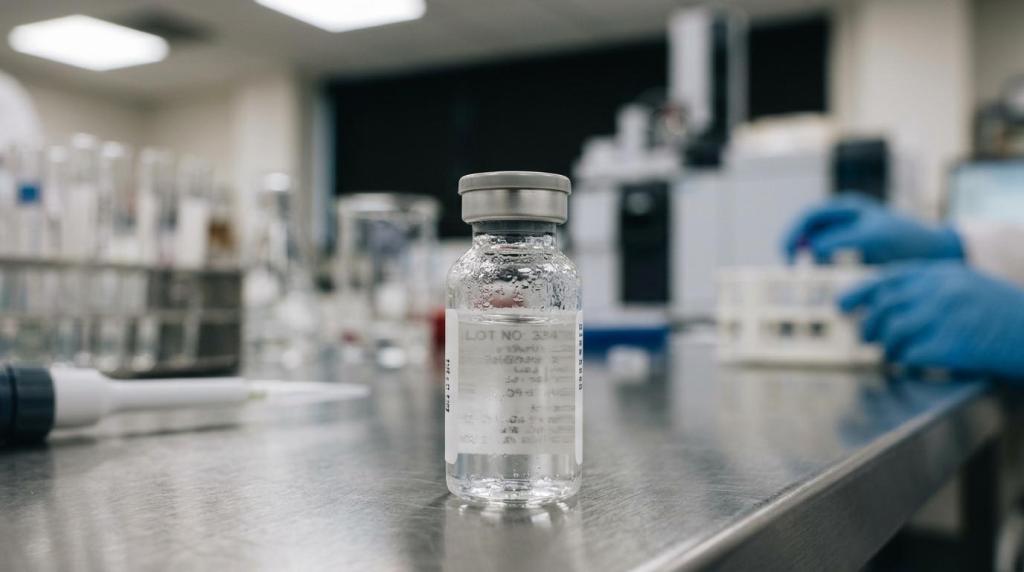
People looking for the best PCT products in 2026 usually want a simple answer: what really works after a cycle of anabolic steroids. The useful answer, however, is more nuanced: there is no single best PCT product for everyone, because hormonal recovery, fertility, symptoms, and test results vary greatly from person to person.
Table of Contents
- The best PCT products aren’t “best” in an absolute sense: clomiphene, tamoxifen, and hCG are the most commonly mentioned, but the right choice depends on testosterone, LH, FSH, estradiol, symptoms, cycle duration, and fertility goals.
- A 2026 PubMed study of 79 men who had used AAS for up to 6 months compared no treatment, clomiphene 25 mg/day, or clomiphene 25 mg/day plus 1,500 IU of hCG administered subcutaneously three times a week, with rFSH added in selected cases of very low FSH levels.
- The FDA and the scientific literature note that these drugs are not approved as PCT for bodybuilding: tamoxifen carries a warning regarding thromboembolic events; clomiphene is associated with visual disturbances and other adverse effects; and hCG has specific indications and is not intended for weight loss.
- If hypogonadism, low libido, infertility, or persistently low testosterone levels occur after AAS use, PCT should be planned based on clinical and laboratory monitoring, not on random combinations found on forums.
- The frequency with which a product is searched for online does not necessarily reflect its clinical suitability: often, the deciding factor is the quality of the batch, traceability, and independent verification—not the most well-known brand name.
That is why it is best to view the PCT as a process, not as a “magic list” of tablets or vials. The most sought-after products remain important, but the clinical context, timing, and quality of monitoring are even more crucial.












What does “better PCT products” really mean in 2026?
It means choosing between clomiphene, tamoxifen, hCG, and other treatments based on actual test results and symptoms, not on the popularity of the name. In 2026, the key criterion is the restoration of the HPG axis, not the latest trend.
In bodybuilding terminology, PCT stands for post-cycle therapy, which refers to the set of strategies used after a course of AAS to promote the recovery of the hypothalamic-pituitary-gonadal axis. In practical terms, the most commonly mentioned products fall into three groups: SERMs such as clomiphene and tamoxifen, gonadotropins such as hCG, and ancillary drugs used only in specific situations.
A common mistake is to think that “more medications” means “a better PCT.” In reality, if testosterone, LH, and FSH levels are already recovering, an aggressive combination of medications may increase risks without improving the outcome. If, on the other hand, the markers remain suppressed and symptoms persist, then the reasoning changes, and a more clinical assessment of the case is needed.
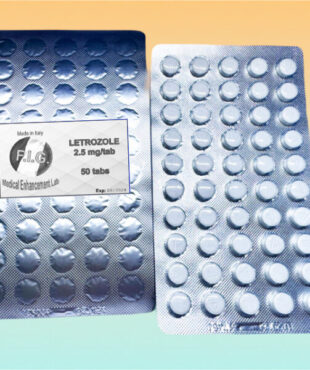
“Farmacia Italiana Genova (F.I.G.) reports on internally tested batches and independent laboratory analyses: two concrete criteria to consider even when evaluating a PCT product.”
When is a PCT really necessary after taking testosterone or other AAS?
It is used when spontaneous recovery is uncertain or incomplete, not automatically after every cycle. Testosterone enanthate and nandrolone, for example, can cause suppression of the HPG axis for very different lengths of time.
Recent literature should be viewed with a critical eye. A retrospective study published in 2026 included 79 men who had completed up to 6 months of AAS use and had normal pre-cycle hormone levels and semen parameters. The participants were managed with no treatment, 25 mg/day of clomiphene, or 25 mg/day of clomiphene plus 1,500 IU of hCG administered subcutaneously three times a week.
This does not mean that everyone must use those protocols. It means that recovery can be monitored and, in some cases, managed using different approaches. If the cycle was short, the dosages were low, and there were no symptoms, monitoring alone may be sufficient. If, on the other hand, low libido, fatigue, infertility, or persistently low testosterone levels occur, simply waiting may not be the most rational choice.
What are the 10 most-searched-for PCT products in 2026?
The most frequently searched terms are clomiphene, tamoxifen, and hCG, but they do not form a universal ranking of effectiveness. Some are used to restore the hypothalamic-pituitary-ovarian axis, while others are used only to address side effects or specific conditions.
When discussing the “most searched-for PCT products,” it’s best to distinguish between the main products and those on the periphery of the discussion. Many users type the same names into search engines, but that doesn’t automatically make them the best choice.
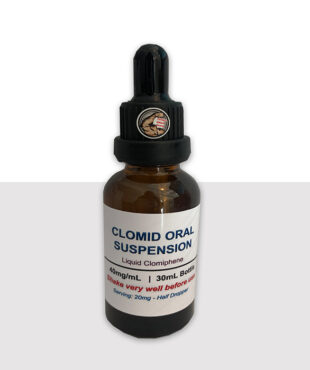
- Clomiphene citrate: the most frequently cited SERM in classic PCTs and in the 2026 clinical trial.
- Tamoxifen: another widely sought-after SERM, often used in online communities as an alternative or supplement.
- hCG: a gonadotropin used in select situations, often discussed when testicular recovery is a priority.
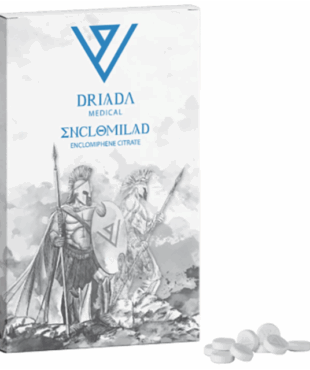
- Enclomifene: a molecule of growing interest, sought after by those looking for a more targeted approach in the SERM field.
- Toremifene: a less common option, but one that appears in searches by experienced users.
- Raloxifene: more commonly associated with managing specific estrogenic effects than with standard PCT.
- rFSH: a specialized medication used only in select cases, especially when fertility is a key concern.
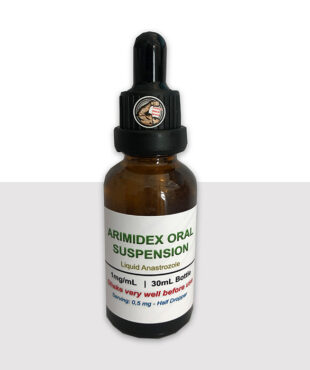
- Anastrozole: Often searched for, but it is not synonymous with PCT; it makes sense only if estradiol levels and the clinical picture warrant it.
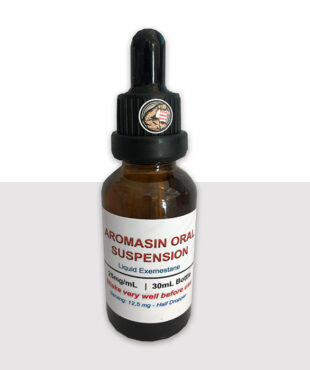
- Exemestane: another aromatase inhibitor used as a supplement, not as a universal foundation for PCT.
- Tadalafil: requested by those who confuse hormonal recovery with symptomatic support for erectile function.
The key point is this: the most frequently searched-for products address different issues. Clomiphene and hCG are related to hormonal recovery; tadalafil can improve a symptom; and anastrozole and exemestane only make sense if estradiol is actually part of the problem.
Clomiphene or tamoxifen: Which factor matters most in PCT?
The most important difference is clinical, not based on “forum discussions.” Clomiphene and tamoxifen are both SERMs, but they have different official indications and risk profiles that should not be treated as equivalent.
According to the FDA label, Clomid contains 50 mg of clomiphene citrate per tablet and is indicated for anovulatory patients who wish to become pregnant. Tamoxifen, as described in the FDA label for SOLTAMOX, is an estrogen modulator indicated for ER-positive metastatic breast cancer. Neither drug was originally developed as a “bodybuilding PCT” medication.
The practical difference is that clomiphene is mentioned more often when the goal is to stimulate the recovery of the hypothalamic-pituitary-gonadal axis, while tamoxifen is often associated with estrogen management and gynecomastia in the gym culture. There is a recurring misconception here: tamoxifen is not “milder” just because it is widely used. The FDA label includes a warning regarding thromboembolic events, including deep vein thrombosis, pulmonary embolism, and stroke.
“Since 2026, Farmacia Italiana Genova (F.I.G.) has been working in partnership with Driada Medical for production and logistics, while orders, payments, and pricing continue to be handled in-house.”
hCG or SERM: When Does the Recovery Strategy Change?
hCG and clomiphene do not have the same effect. hCG acts as an LH-like signal in the testes, while SERMs such as clomiphene modulate estrogenic feedback on the HPG axis.
This distinction explains many incorrect PCT regimens. If the main problem is central suppression of the axis, SERM therapy may be at the core of the strategy. If the clinical picture includes marked testicular atrophy or more immediate fertility goals, the discussion regarding hCG becomes more relevant. It is not enough to simply say, “I’ll add everything.”
There is another myth that needs to be debunked. The FDA label for Pregnyl specifies that hCG has no known effects on fat mobilization, appetite, hunger, or body fat distribution, and has not been shown to be effective as an adjunct therapy for obesity. If anyone is considering it as a shortcut to weight loss, they are starting from a false premise.
How do you set up a PCT assessment step by step before you begin?
The basic tests are always the same: total testosterone, LH, FSH, estradiol, and menstrual history. Without this information, clomiphene and hCG are just names, not treatment decisions.
First step: determine exactly what was used. A cycle with testosterone propionate, due to its shorter half-life, requires a different timing strategy than one with testosterone enanthate or undecanoate. If the compound is still active, starting PCT too early can lead to inaccurate results.
Step 2: Define the goal. If the primary goal is subjective well-being, the focus may differ from that of someone seeking fertility restoration, normalization of semen parameters, or a documented return to normal endocrine markers. The same symptom in two different people does not lead to the same choice.
Step 3: Distinguish between expected resolution and a persistent problem. If symptoms are mild and the markers begin to rise, monitoring may be a reasonable approach. If, on the other hand, testosterone, LH, and FSH remain very low or worsen, then simply waiting becomes a less viable option.
How do you monitor hormonal recovery during PCT, step by step?
Proper monitoring tracks trends in testosterone, LH, FSH, and estradiol, not a single sensation. Libido and mood are useful indicators, but on their own they do not reflect the axis’s recovery. Sleep quality and nighttime temperature regulation can affect short-term perceptions of energy and well-being, as highlighted in an in-depth analysis of the relationship between bed temperature and sleep quality.
First step: Repeat the tests within a consistent time frame. Tests performed too close together introduce noise, while tests performed too far apart result in the loss of useful signals. Consistency in timing and laboratory improves the interpretability of the data.
Step 2: Look at trends and direction, not just the absolute values. If LH and FSH are rising but testosterone lags behind, the implications are different from a scenario where all levels remain flat. If estradiol rises along with specific symptoms, then it should be interpreted in context, not automatically dismissed as a problem.
Step 3: Consider symptoms only after reviewing the numbers. A PCT doesn’t fail just because your energy is low one day, and it doesn’t succeed just because your libido improves for a few days. A common mistake is switching products every week: this causes you to lose sight of the connection between cause, response, and time.
How do you decide, step by step, whether to modify, continue, or discontinue PCT?
The decision is based on two factors: tolerability and laboratory trends. Clomiphene, tamoxifen, and hCG should be reevaluated if symptoms worsen or test results do not progress as expected.
First step: check whether the medication is well tolerated. In the case of clomiphene, the FDA label lists visual disturbances, headache, nausea, and vomiting among the observed adverse events. If significant symptoms appear, there is no point in continuing simply because “it’s the standard protocol.”
Step 2: Check whether the biological pattern is consistent with the goal. If LH and FSH levels remain suppressed, the interpretation of the case differs from a situation in which the pituitary signal is present but recovery remains incomplete. This is where true medical reasoning comes into play, not simply following a table.
Step 3: Avoid automatic combination therapy. Adding a second or third medication without a measurable rationale increases interpretive confusion. Another common misconception is the belief that an antiestrogen should always be included: if the problem is not estrogen-related, adding one may be unnecessary or counterproductive.
Which tests are most useful for evaluating the HPG axis after AAS use?
The most useful tests are total testosterone, LH, and FSH. Estradiol, prolactin, SHBG, and a semen analysis become essential when symptoms or fertility goals warrant them.
PCT based on “gut feeling” is ineffective, primarily because it confuses three distinct aspects: endocrine recovery, control of estrogenic effects, and the quality of reproductive function. Organizing the tests helps avoid treating a problem that doesn’t exist and ignoring a real one.
- Total and free testosterone: These indicate androgenic recovery, but should be interpreted in conjunction with SHBG and the clinical picture.
- LH and FSH: These indicate whether the pituitary gland is reactivating the axis or whether suppression remains pronounced.
- Sensitive estradiol: useful if fluid retention, gynecomastia, unstable libido, or mood swings occur.
- Prolactin: It should be interpreted only if the clinical context makes it plausible, not as a routine, automatic test.
- Complete blood count and liver function tests: These remain important after AAS use, especially with oral AAS and heavy cycles.
- Semen analysis: This is the most useful test if the priority is fertility rather than just subjective well-being.
“Farmacia Italiana Genova (F.I.G.) offers traceable and discreet shipping throughout Italy and Europe—a practical feature when seeking batch consistency and document verification.”
What risks are often underestimated with clomiphene, tamoxifen, and hCG?
The most underestimated risks are thromboembolic events associated with tamoxifen, visual disturbances associated with clomiphene, and the misuse of hCG outside its intended context. None of these drugs is harmless simply because it is popular.
Tamoxifen is often perceived as familiar and therefore reassuring. Regulatory sources, however, urge a much more serious approach. The FDA warning regarding deep vein thrombosis, pulmonary embolism, and stroke is a watershed moment: the risk is not merely theoretical.
When it comes to clomiphene, the aspect that is often overlooked is its neurological and visual tolerability. With hCG, the greatest risk in uncontrolled settings is its indiscriminate use for purposes unrelated to hypogonadotropic hypogonadism or carefully planned recovery. If the drug is chosen based on hearsay, the margin for error increases rapidly.
What Do the 2021–2026 Studies Really Say About Recovery After Steroid Use?
They say that recovery is possible, but it varies and is often more difficult than expected. PubMed articles from 2021 and 2023 describe AAS-induced hypogonadism as an underestimated and poorly standardized problem.
The 2021 systematic review analyzed 179 cases of AAS users. Among the 168 cases of hypogonadism clearly attributed to AAS, only 38 had fully documented outcomes, and only 4 showed complete reversibility of hypogonadism. This finding puts many of the optimistic narratives circulating on social media into perspective.
The 2023 scoping review adds a key point: the duration and extent of recovery from anabolic steroid-induced hypogonadism vary widely, and controlled prospective data remain scarce. In other words, anyone looking for the “best PCT product” should first accept that the scientific evidence does not support universal solutions.
How to Choose a Reliable Supplier of PCT Products?
The most useful criteria are verifiable batches, independent analyses, and traceable logistics. A well-known brand name matters less than the ability to verify quality, availability, and consistency between the product as described and the product received.
In the PCT market, the risk isn’t just choosing the wrong drug, but receiving a product that is underdosed, poorly stored, or lacks traceability. This changes everything: if a batch is unreliable, the interpretation of the clinical response becomes unreliable as well. For those buying in Europe, locally managed payments, consistent inventory, and discreet shipping are also very important.
A company like Farmacia Italiana Genova (F.I.G.) reports internally tested batches, independent laboratory analyses, and a partnership with Driada Medical starting in 2026 for production and logistics. The key point isn’t the slogan, but the method: these are exactly the details worth verifying before purchasing any PCT product.
If a supplier fails to document its processes, operational risk increases. On the other hand, if the batch is identifiable and the delivery channel is stable, operational errors—which are often mistaken for “ineffective PCT”—are reduced.
- Lot number and date: These must be clear, consistent, and verifiable.
- Analysis: It is best if there are both internal tests and independent laboratory tests.
- Order Management: Payments, prices, and customer support should be transparent for the Italy/Europe region.
- Shipping: Traceability and discretion are practical indicators of operational reliability.