Post Cycle Therapy (PCT): Nolvadex and Clomid
Understanding Post Cycle Therapy (PCT)is essential for every self-respecting bodybuilder and athlete. It's not just about building muscle and improving performance, but also about protecting your body and ensuring its long-term health. If you're here, you're probably one of these knowledgeable and responsible athletes, looking for reliable, high-quality information. And you've come to the right place.
In this article, we’ll explore two top-tier medications used in PCT: Iland Clomid (Clomiphene). When used correctly, these medications can help protect your body from the potential side effects of steroid cycles and help your body restore its normal hormone production.
Every year, hundreds of thousands of athletes face the challenge of safely managing the post-cycle phase. According to research published in the Journal of Clinical Endocrinology & Metabolism, a large number of people who use anabolic steroids to improve athletic performance are still unaware of the risks associated with using these substances without proper PCT.
That’s why, with great effort and the utmost dedication, we draw on the latest research and the most authoritative sources to provide you with the information you need. Ready to dive into the world of PCT and discover how Nolvadexand Ilcan make a difference in your bodybuilding journey? Keep reading, and let’s find out together.


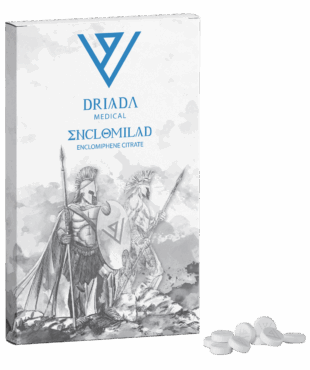

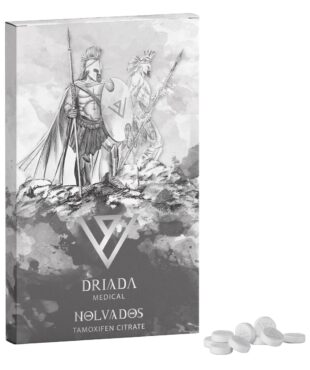
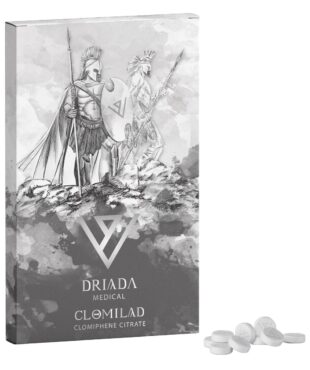

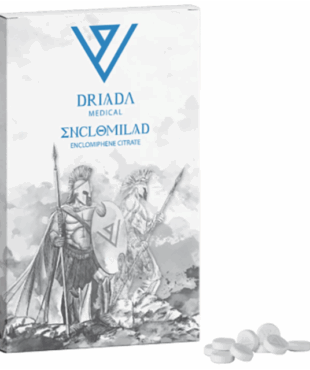

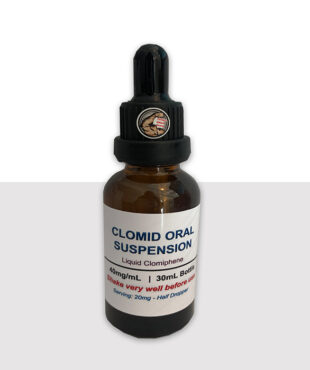
Nolvadex, Description and Mechanism of Action of the Drug
Nolvadex, also known as tamoxifen, is a drug commonly used in oncology for the treatment of breast cancer. However, in the world of bodybuilding and strength sports, ithas found another important application:post-cycle therapy (PCT)
Nolvadex belongs to the class of selective estrogen receptor modulators (SERMs). Its mechanism of action is related to its ability to bind to estrogen receptors, thereby preventing estrogen itself from exerting its action. This is particularly relevant for athletes who have used aromatizable anabolic steroids, which can lead to increased estrogen levels in the body and therefore side effects such as gynecomastia.
The use of Nolvadex as part of a post-cycle therapy (PCT) is intended to mitigate these side effects, but above all to promote the resumption of the body’s natural testosterone production, which can be suppressed by the use of anabolic steroids
It is important to note that Nolvadex should always be used under professional supervision, given the complexity of the hormonal mechanisms involved and the possibility of side effects.
Clomid: what is it and how does it work?
Il Il, or Clomiphene, is another drug belonging to the class of selective estrogen receptor modulators (SERMs), used primarily in the treatment of female infertility. However, like Nolvadex, it has found use in the world of bodybuilding due to its effectiveness in post-cycle therapy (PCT).
Clomidworks by binding to estrogen receptors located in the hypothalamus, a region of the brain that plays a key role in regulating the body’s hormones. Clomid’s binding to these receptors prevents estrogen from exerting its effects, tricking the body into thinking that estrogen levels are lower than they actually are. This, in turn, stimulates the production of gonadotropins, hormones that stimulate testosterone production in the testicles.
In the context of PCT, the use of Clomid can therefore promote the resumption of natural testosterone production, which can be suppressed by the use of anabolic steroids. As with Nolvadex, it is essential that Clomid is used under the supervision of a professional, given the delicate hormonal balance involved and the possibility of adverse effects.
Effects of Nolvadex in Post Cycle Bodybuilding
In the context of bodybuilding, the use of Nolvadexduring post-cycle therapy is intended to restore the body’s hormonal balance after a course of anabolic steroids. During a steroid cycle, the body’s natural testosterone production may be suppressed, as the body detects high testosterone levels and reduces its endogenous production to maintain balance. This can lead to a range of side effects once the steroid cycle ends, particularly when testosterone levels drop sharply.
Nolvadex works by blocking the effect of estrogen, which can increase as a result of the conversion of excess testosterone. This can prevent side effects such as gynecomastia, fat accumulation, and water retention. In addition, by blocking the action of estrogen in the hypothalamus, Nolvadex can stimulate the production of gonadotropins, which in turn stimulate testosterone production, helping to restore natural testosterone levels more quickly.
Effects of Clomid in Post-Cycle Bodybuilding
In the world of bodybuilding, the use of Ilduring the post-cycle phase is intended to restore the body’s natural testosterone production, which can be suppressed during a course of anabolic steroids. During a steroid cycle, the body perceives an excess of testosterone and reduces its endogenous production in an attempt to maintain balance. This can lead to a number of unwanted effects once the steroid cycle is discontinued, due to the drastic drop in testosterone levels.
Clomid works by acting as an estrogen antagonist in the hypothalamus and pituitary gland. This causes an increase in the production of gonadotropins, particularly luteinizing hormone (LH), which in turn stimulates the Leydig cells in the testicles to produce more testosterone. In this way, Clomid helps to restore testosterone levels to normal more quickly and effectively.
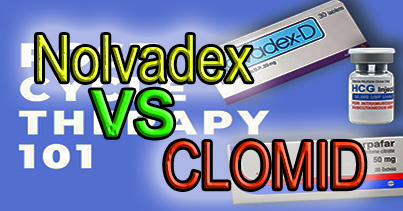
Head-to-head comparison: Nolvadex vs. Clomid
When comparing Nolvadexand Il, it isimportant tonote that both drugs are effective in post-cycle therapy and serve similar purposes. However, there are some key differencesbetween the two that may influence your choice.
Both drugs act as estrogen antagonists. Nolvadexdoes so primarily in breast tissue, making it particularly useful in preventing gynecomastia, a common side effect of many anabolic steroids. Clomid, on the other hand, acts as an estrogen antagonist at the level of the hypothalamus and pituitary gland, which leads to increased production of gonadotropins and, consequently, testosterone.
Another key difference concerns the potency of the two drugs. Clomid is generally considered more potentand may be more effective in restoring natural testosterone production. However, it can also have more pronounced side effects, including mood swings and vision problems.
Finally, the choice between Nolvadex and Clomid may depend on the specific nature of the steroid cycle that has been followed. For lighter cycles, Nolvadex may be sufficient. For heavier or longer cycles, Clomid may be the better choice.
In conclusion, the decision between Nolvadex and Clomid should be made considering the specific individual situation, needs, and potential side effects. It is always advisable to consult a healthcare professional before starting any post-cycle therapy.
Side effects: Nolvadex and Clomid compared
The side effectsof Nolvadexand Ilare a key factor to consider when choosing the most appropriate medication for post-cycle therapy.
Nolvadexis generally well tolerated and side effects are rare. However, in some cases, symptoms such as hot flashes, nausea, dizziness, and headaches may occur. In rare cases, it may cause visual changes, pelvic pain, or blood clots.
Clomid, on the other hand, may cause more acute side effects. These can include mood changes, dizziness, nausea, headaches, and vision problems. In some cases, taking Clomid can lead to a condition called blurred vision, which may persist even after stopping the medication.
Both drugs can cause a decrease in libido, which usually resolves once the PCT cycle is complete. It is important to note that tolerance to these drugs can vary greatly from person to person and, therefore, side effects can be very different.
In general, the decision between Nolvadex and Clomid should be based on a comprehensive assessment of the potential benefits and risks.
COMPARATIVE TABLE
| (Tamoxifen) | (Clomiphene) | |
| Generic Name | Tamoxifen | Clomiphene |
| Mechanism of Action | Selective estrogen receptor antagonist, mainly used to prevent gynecomastia. | It works by stimulating increased production of pituitary gonadotropins, thereby stimulating ovulation. |
| Use in Bodybuilding | Commonly used during PCT to balance the effects of anabolic steroids and prevent gynecomastia. | Used in PCT to stimulate natural testosterone production after a cycle of anabolic steroids. |
| Common Side Effects | It can cause hot flashes, nausea, and dizziness. | It may cause blurred vision, dizziness, and nausea. |
| Availability and Cost | Wide availability, average cost | Wide availability, low to medium cost. |
What to choose? Nolvadex or Clomid for your PCT
Selecting the most appropriate medication for Post-Cycle Therapy (PCT) is a process that depends on several factors, including individual needs, goals, tolerance for certain side effects, and previous experience with these medications. Additionally, the choice may be influenced by financial considerations, as the costs of Nolvadex and Clomid can vary.
Ilis often the preferred choice for preventing gynecomastia due to its ability to act as a selective estrogen receptor antagonist. On the other hand, Clomid (Clomiphene) may be more useful for stimulating natural testosterone production after a course of anabolic steroids.
In any case, it is essential to discuss your situation with a healthcare professional before starting PCT. This will help ensure that the choice of medication is appropriate and safe. Always remember that the use of these drugs must be supervised by a professional and that health should always be the top priority.
Final thoughts: Customizing the PCT
In the world of bodybuilding, a personalized Post-Cycle Therapy (PCT) is essential for maximizing results and minimizing side effects. There is no “one-size-fits-all” approach when it comes to PCT: the choice between Iland Clomid (Clomiphene)should be based on specific individual needs, goals, and tolerance for side effects.
Although both drugs are widely used in PCT, each has distinct advantages and disadvantages.
However, the key to success lies in the ability to tailor therapy to individual needs. This may mean using one drug rather than another, or combining both in a carefully planned PCT protocol.
Remember that health is always the top priority. A personalized PCT can not only help you maintain your results, but also protect your long-term health.